
Key Takeaways
- Check soil moisture year-round, including dry winter periods when the ground is not frozen.
- Inspect trees before storm season, not only after damage occurs.
- Use mulch correctly, keeping it several inches away from the trunk.
- Identify pest, disease, or watering problems before applying fertilizer or pesticides.
- Leave climbing, large-limb removal, utility-line work, and serious damage assessments to qualified professionals.
Colorado trees manage dry air, sudden temperature changes, intense sun, wind, compacted soil, pests, and heavy snow. A yearly care plan helps homeowners catch small concerns before they become broken limbs, declining canopies, or avoidable safety issues. For property-specific guidance, Fielding Tree Care is a Colorado tree care provider serving South Denver, Littleton, Centennial, Highlands Ranch, Englewood, Lone Tree, Greenwood Village, and nearby communities. Its ISA-certified arborists provide pruning, removal, maintenance, fertilization, pest and disease management, and storm-related tree assessments, making local expertise especially useful when a tree’s needs go beyond routine homeowner care.
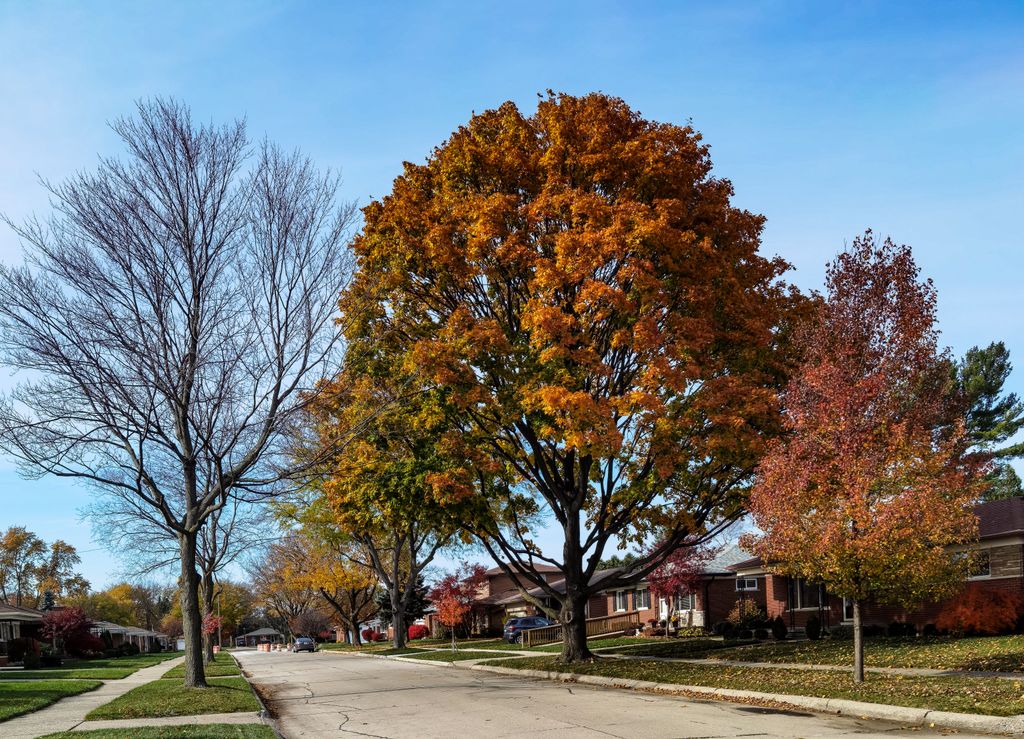
Use this calendar as a practical starting point, not a rigid rule. Elevation, exposure, soil texture, irrigation coverage, tree species, and recent weather can all change the right timing. A cottonwood, spruce, ash, crabapple, and newly planted ornamental tree may need very different levels of attention.
Winter: Check Moisture, Bark, and Storm Damage
Winter is a good time to look for cracks, split bark, hanging limbs, and branches damaged by snow or wind. Young trees and evergreens deserve extra attention because dry winter winds can pull moisture from needles, leaves, and bark. Water during extended dry spells only when local rules allow it, the temperature is suitable, and soil is not frozen.
Maintain a mulch layer about 3 to 4 inches deep over the root area, but do not pile it against the trunk. Mulch touching bark can hold excess moisture and create conditions that encourage rot and pest activity.
Late Winter: Plan Structural Pruning
When deciduous trees are dormant, their branch structure is easier to see. Late winter is ideal for light pruning, like removing dead twigs or identifying crossing branches. Major pruning should be cautious to avoid wounds, excessive canopy loss, or weak unions. Seek professional advice for large dead or cracked limbs, branches over structures, weak unions, cracks near the trunk, or branches near utilities.
Spring: Inspect New Growth and Watch for Pests
As buds open, examine whether leaves and new growth appear evenly across the canopy. Thin foliage, wilted leaves, holes, sticky residue, bark injury, and dieback can all signal a concern, but they do not automatically mean a tree needs treatment. Weather damage, watering problems, insects, and disease can look similar from a distance.

- View the entire tree from a distance for uneven growth or bare sections.
- Check the trunk, root flare, and lower branches for wounds or damage.
- Examine buds, leaves, and small twigs for discoloration or insects.
- Check whether the soil below the surface is dry or holding standing water.
- Take photos and compare changes over several weeks.
Late Spring and Early Summer: Support Root Health
Healthy roots help trees tolerate heat, drought, pests, and storms. Water slowly across the root zone rather than assuming shallow lawn irrigation is enough. Pay close attention to trees near sidewalks, patios, driveways, and construction areas, where soil compaction can limit oxygen and water movement.
Do not use fertilizer as a quick fix for drought stress, poor drainage, or damaged roots. First, check irrigation coverage and soil moisture. Sprinklers should reach the root zone without repeatedly soaking trunks, siding, or pavement.
Summer: Prepare for Heat, Drought, and Storms
Colorado’s heat and dry soil can quickly stress trees. Check moisture beneath the surface with a screwdriver or soil probe, rather than relying on dry-looking topsoil alone. Deep, slow watering is usually more useful than frequent shallow watering, and local watering restrictions should always be followed. Colorado State University Extension offers detailed drought-watering guidance for home landscapes, including advice on mulch, irrigation timing, and soil moisture monitoring.
Common signs of heat or drought stress
- Early leaf drop or scorched leaf edges
- Curled, wilted, or unusually small leaves
- Dead tips on branches
- Brown needles on evergreens
- Slow or uneven new growth
Summer Storm Preparation: Reduce Common Hazards
High winds and heavy rain can expose cracks, weak branch unions, and decayed wood that were already present. Inspect trees before storms whenever possible, and keep vehicles, furniture, and play areas away from visibly damaged limbs. Never attempt to remove branches near power lines.
- Keep people and pets away from fallen limbs.
- Look for downed or damaged utility lines from a safe distance.
- Contact the utility provider if wires may be involved.
- Photograph damage for documentation, without entering an unsafe area.
- Arrange a professional risk assessment before cutting large branches.
Fall: Prepare for Cold and Dry Weather
Fall care focuses on moisture, cleanup, and winter readiness. Water deeply during dry weather while the soil remains workable. Refresh mulch, remove small broken debris, and inspect young trees with thin bark for possible sunscald or damage from temperature swings. If a tree has a significant disease problem during the growing season, remove heavily affected leaves when appropriate for that issue.
Do-It-Yourself Tasks and Professional Tasks
Tasks homeowners can usually handle
- Checking soil moisture and irrigation coverage
- Applying mulch with space around the trunk
- Removing small fallen twigs from the yard
- Photographing foliage, bark, and branch changes
- Keeping mowers and trimmers away from trunks
- Monitoring newly planted trees
Tasks that often need an arborist
- Removing large limbs or trees near structures
- Climbing mature trees
- Working near utility lines
- Diagnosing serious pest or disease concerns
- Evaluating storm-damaged or leaning trees
A Simple Monthly Tree Care Checklist
- January: Check winter moisture and snow damage.
- February: Review branch structure and pruning needs.
- March: Inspect buds, bark, and winter injuries.
- April: Watch for leaf development and pest activity.
- May: Check mulch, irrigation, and compacted soil.
- June: Begin regular moisture checks.
- July: Monitor heat stress, pests, and storms.
- August: Reinspect trees after strong winds or rain.
- September: Review overall health before colder weather.
- October: Water during dry periods and refresh mulch.
- November: Protect young trees from winter dryness.
- December: Record concerns for dormant-season follow-up.
Keep the Schedule Simple and Consistent
Good tree care is built on regular observation, correct watering, timely pruning, and early action. A simple 2026 calendar can help Colorado homeowners protect shade, beauty, wildlife value, and property safety through every season.