
Key Takeaways
- Begin with a full inspection before choosing colors or materials.
- Address leaks, drainage failures, and moisture damage before cosmetic work.
- Coordinate the roof, siding, windows, doors, gutters, and trim as one exterior system.
- Select materials based on climate, upkeep requirements, home style, and budget.
- Request detailed written estimates so the scopes of work can be compared fairly.
A home exterior refresh is about more than improving curb appeal. Roofing, siding, windows, doors, trim, and gutters all work together to move water away from the house, limit drafts, protect structural materials, and create a finished appearance.
Whether you are addressing a few aging features or planning a larger renovation, starting with a clear plan helps prevent costly overlap between trades. Homeowners considering replacement entryways or door installation services in North Carolina should coordinate the work with flashing, trim, siding, and drainage details rather than treating each upgrade as a separate project.
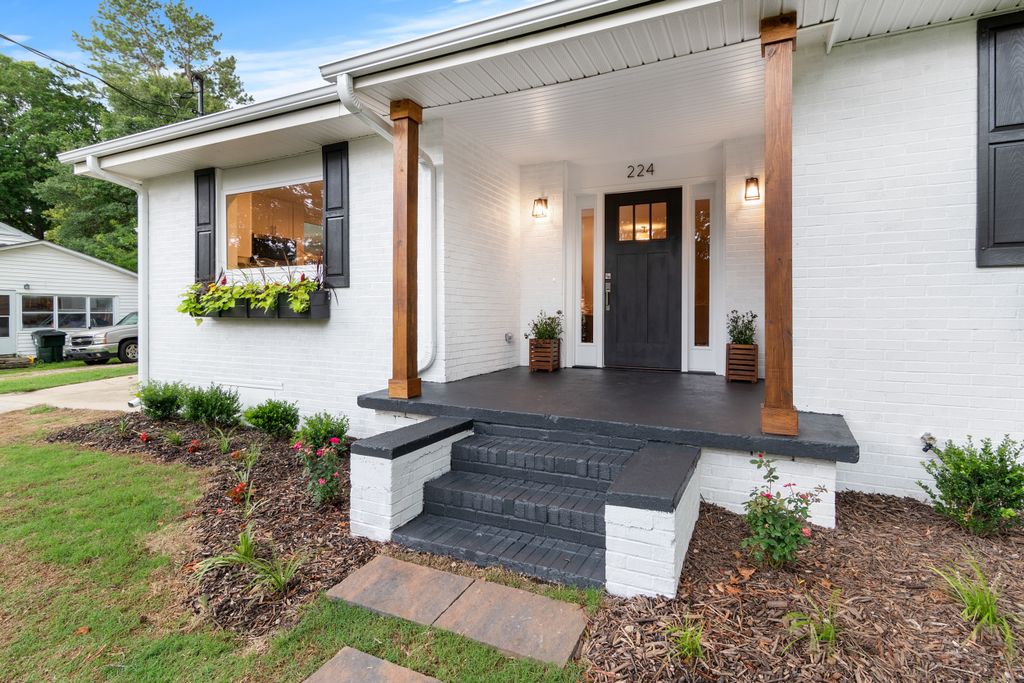
Why an Exterior Refresh May Make Sense
Exterior work may be prompted by peeling paint, cracked siding, a roof near the end of its service life, drafty windows, or overflowing gutters. These conditions can affect appearance, but they can also allow water to reach trim, wall sheathing, insulation, and framing. A homeowner may need routine maintenance, a focused repair, or a full replacement depending on the extent and recurrence of the problem.
For example, a home with aging siding, fogged windows, and downspouts that dump water beside the foundation may benefit from a coordinated plan. Solving drainage first, then repairing damaged areas and replacing worn components, is often more effective than making isolated cosmetic upgrades.
Start With a Full Exterior Inspection
Walk around the home in daylight and take photos from wide and close viewpoints. Make written notes, including the location of stains, cracks, gaps, and recurring water issues. Check these areas carefully:
- Roof shingles, flashing, vents, valleys, and signs of sagging.
- Siding seams, warped boards or panels, cracks, stains, and loose sections.
- Window frames, failed seals, condensation, caulking, and difficult operation.
- Doors, thresholds, weatherstripping, locks, and gaps around the frame.
- Gutters, downspouts, splash blocks, grading, and foundation water marks.
- Fascia, soffits, trim, and caulking around every opening.
Visible issues do not always show the full extent of damage. If materials feel soft, paint repeatedly bubbles, or staining keeps returning, ask a qualified professional to assess whether moisture is present behind the exterior surface.
Decide Which Projects Come First
The best project order protects work that comes later. Installing fresh siding before correcting a roof leak or replacing a door before resolving improper flashing can lead to unnecessary rework.
- Stop active leaks and correct drainage problems.
- Repair structural damage, rot, or moisture-damaged sheathing.
- Address roofing concerns and roof-edge flashing.
- Coordinate windows, doors, siding, trim, and weather barriers.
- Finish with gutters, paint, lighting, and decorative details.
A small repair can be the right choice when the surrounding materials are sound. However, if the same area requires repeated patching, it is worth comparing the long-term cost of repairs with that of a more complete replacement.
Compare Exterior Materials Carefully
Siding and Finish Options
- Vinyl siding: Often chosen for low routine upkeep and a broad selection of colors and profiles.
- Fiber cement: Can offer a substantial appearance and performs well when correctly installed and maintained.
- Wood: Provides natural character but needs consistent finish maintenance and moisture monitoring.
- Metal: Delivers a distinctive look and can be durable when installation details are handled properly.
- Stucco: Suits many home styles but depends on correct drainage, flashing, and crack repair.
Before selecting a material, compare its maintenance needs, color stability, repair options, warranty terms, installation method, expected service life, and suitability for the local climate. The lowest initial price is not always the lowest ownership cost over time.
Consider Energy and Indoor Comfort
Drafty rooms and uneven room temperatures can result from gaps around windows and doors, insufficient insulation, poor air sealing, or moisture-related damage. A replacement window alone may not solve a comfort issue if the surrounding opening, flashing, or wall assembly has problems.
When comparing products, look for ratings that suit the local climate and ask how the installer will handle air sealing and water protection. The U-factor and solar heat gain coefficient are useful measures for comparing windows and exterior doors, but proper installation remains just as important as the product itself.
Build a Simple Exterior Color Plan
A restrained color plan makes the exterior feel intentional. Start with a main wall color, choose trim that complements the roof and existing masonry, and reserve a bolder shade for the front door or shutters. View physical samples outside during the morning, afternoon, and evening because light can dramatically change undertones.
Also consider landscaping, brick, stone, driveway color, and any neighborhood design requirements. Detailed facades usually benefit from quieter colors, while simple wall surfaces can support stronger trim or an accent entry door.
Set a Realistic Budget
Exterior costs vary based on home size, number of stories, access needs, material availability, removal and disposal, permits, trim details, and local labor rates. The largest surprise is often concealed damage, such as rotted sheathing or deteriorated framing around windows and roof edges.
Request itemized estimates that separate labor, materials, removal, repair allowances, permits, and cleanup. Set aside a contingency amount so hidden conditions do not force rushed decisions after work has begun.
Choose and Compare Contractors
Questions to Ask Before Signing
- Who will supervise the project and communicate updates?
- What materials, flashing details, and installation methods are included?
- How will hidden damage and change orders be documented?
- Are permits, disposal, final cleanup, and inspections included?
- What labor and material warranties apply, and what do they exclude?
Confirm license and insurance requirements in your area, review references, and compare more than one written estimate. The Federal Trade Commission advises homeowners to seek written contracts, avoid paying the full amount upfront, and be cautious of high-pressure sales tactics when hiring for home improvement work.
Create a Work Timeline
A typical sequence includes inspection, design decisions, material ordering, permits, repairs, roof or drainage work, windows and doors, siding and trim, then gutters and final cleanup. Weather, permit review, delivery schedules, and newly discovered repairs can affect timing. Put decision deadlines, estimated delivery windows, work hours, cleanup expectations, and final walkthrough steps in writing.
Avoid Common Planning Mistakes
- Choosing materials before investigating water or wall-condition concerns.
- Ignoring gutters and downspouts during roofing or siding work.
- Comparing estimates by the final total instead of the full scope.
- Ordering colors without reviewing physical samples outdoors.
- Starting work without a written payment schedule and change-order process.
Final Checklist
- Inspect the entire exterior and document visible concerns.
- Fix water, drainage, and structural issues first.
- Coordinate roofing, openings, siding, trim, and gutters.
- Compare maintenance requirements and purchase prices.
- Confirm the scope, timeline, permits, cleanup, and warranties in writing.
A strong exterior refresh is not about following every design trend. It is about making sound decisions in the right order. With a clear plan, homeowners can improve protection, comfort, appearance, and long-term upkeep while keeping the project focused and manageable.