
Key Takeaways
- Choose window treatments around each room’s daily function, not color alone.
- Vancouver bedrooms often benefit from stronger light control during bright summer mornings and near busy streets.
- Living rooms and home offices need flexible glare control for changing Pacific Northwest daylight.
- Kitchens and bathrooms call for durable, moisture-resistant, easy-clean materials.
- Layered treatments, cordless operation, and motorization can improve comfort, safety, and convenience.
In Vancouver, Washington, window treatments have to do more than complement paint colors or furniture. They help homes manage low winter light, rainy-day privacy, summer sun, screen glare, and indoor comfort year-round. Homeowners considering shutter repair Vancouver, WA, can also use the opportunity to reconsider whether each room’s current setup still fits how the household’s lives.
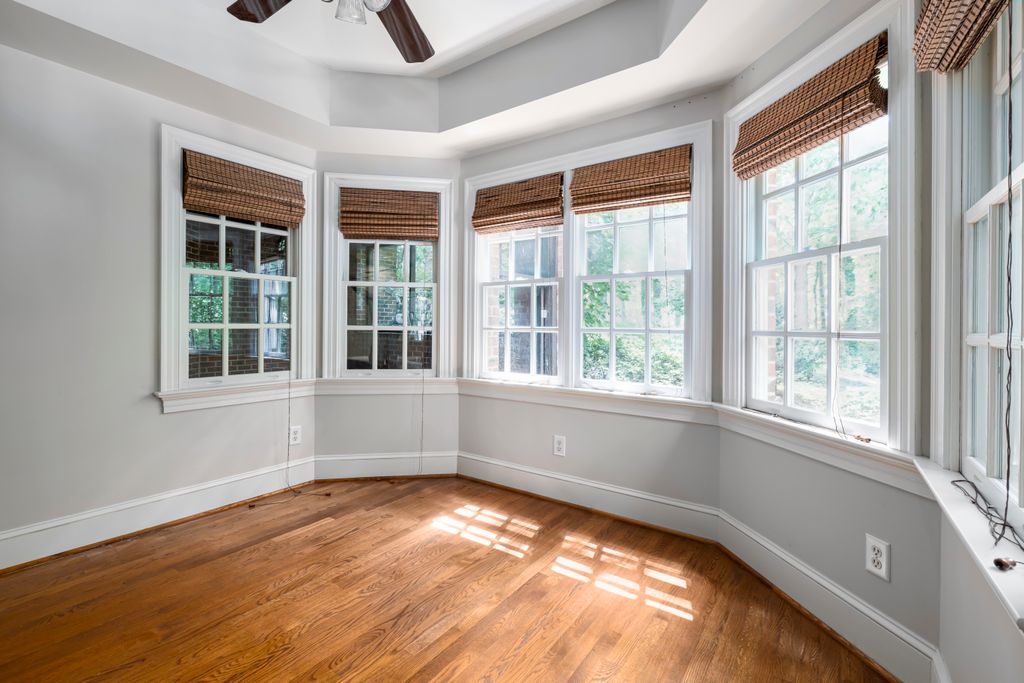
A west-facing family room near the Columbia River may need a very different solution than a bedroom facing a neighboring home in a dense Vancouver neighborhood. The best choice balances daylight, privacy, insulation, maintenance, safety, and the ability to adjust coverage as conditions change.
Why Room Function Should Guide the Choice
Every room asks something different from its windows. A kitchen needs a treatment that tolerates moisture and cooking residue. A nursery may need reliable darkness for naps. A home office needs daylight without harsh reflections on a monitor. Starting with the function prevents a common mistake, which is installing the same type of blind, shade, or curtain everywhere and expecting it to solve every problem.
Before shopping, note when direct sun enters the room, whether privacy matters during the day or only at night, and where glare falls on screens, floors, furniture, or artwork. Also measure carefully, including unusual window shapes, nearby doors, and hard-to-reach windows. A window covering can manage sunlight, privacy, and insulation, which makes it a practical part of the home rather than an afterthought.
For homeowners searching for shutter repair near me, it is worth looking beyond a single broken louver or worn operating component. Repairing or updating a shutter can be part of a larger plan for better privacy, simpler operation, or more adaptable daylight control in that specific room.
Living Room Window Treatments
Vancouver living rooms often need flexibility. Overcast mornings can make a room feel dim, while clear afternoons can send strong light through west- and south-facing windows. Light-filtering shades soften daylight while preserving an open feeling. Solar shades can reduce television and screen glare while maintaining some exterior view. Adjustable blinds and shutters allow more precise control over light direction.
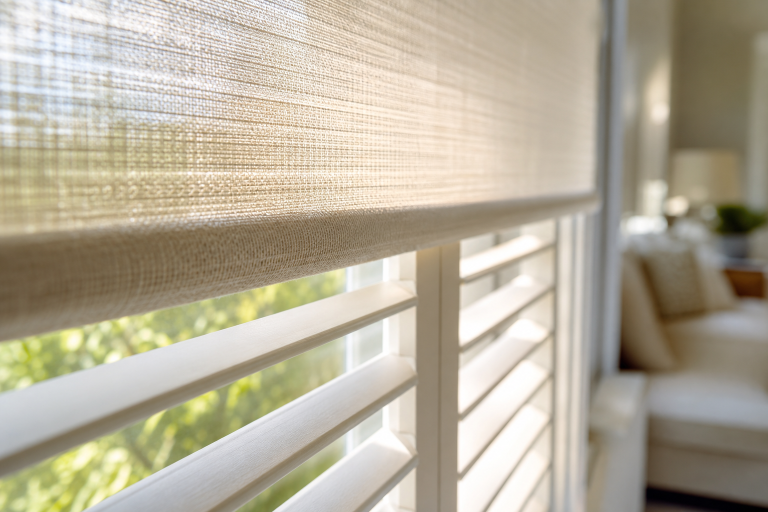
For added comfort, pair a shade or shutter with drapery. The first layer can handle daytime light, while the second creates stronger privacy after dark and can add softness to rooms with hard flooring or large windows. Check that the treatment clears sofas, bookcases, patio doors, and walking paths.
Bedroom Window Treatments
Bedrooms should be planned around sleep and privacy. Light-filtering fabrics soften the room while still allowing a glow to pass through the material. Room-darkening and blackout options block substantially more light, making them useful for early sun, streetlights, night-shift schedules, and children’s rooms. Because light often enters around the edges, check side gaps, top gaps, and the space below the sill before deciding that a shade alone will provide full darkness.
Layering is especially helpful in bedrooms. A light-filtering shade can provide daytime privacy without making the room gloomy, while lined curtains or a blackout layer can close the room down at night. Cordless and motorized options are practical for tall windows and are a safer choice where young children or pets may reach hanging cords.
Kitchen and Bathroom Window Treatments
Kitchens need materials that are easy to clean and positioned safely. Near a sink, choose a smooth, wipeable blind or shade that can handle splashes and steam. Near a stove, avoid fabric panels or treatments that hang close to the heat. Small windows above counters often work best with simple designs that avoid appliances, décor, and food-preparation areas.
Bathrooms have a similar need for practicality, but privacy becomes even more important. Moisture-resistant blinds, shutters, or shades are usually easier to maintain than absorbent fabric. A high window may only require light filtering, while a street-facing or neighbor-facing bathroom may need fuller coverage. Good ventilation also matters, particularly when selecting any material that could retain moisture.
Home Office, Dining Room, and Guest Room Solutions
In a home office, sit at the desk during the brightest part of the day and look for reflections on the monitor. Solar shades and light-filtering fabrics can reduce glare without turning the workspace into a dark box. Adjustable blinds are useful when the sun angle changes, while room-darkening coverage can help an office that also serves as a guest room. Consider the window’s appearance behind the desk during video calls as well.
Dining rooms benefit from controllable daylight during meals, while guest rooms need visitors to feel private without making the space feel closed in. A layered arrangement works well for both. A sheer or light-filtering layer maintains a welcoming daytime atmosphere, and a second layer provides nighttime coverage. Homes with large, exposed windows can borrow from ways to balance light, privacy, and style by choosing treatments that remain easy to open when a clear view is wanted.
When Layering Makes Sense
Layering is not only decorative. It solves multiple needs with two coordinated treatments. For example, cellular shades can provide everyday privacy and temperature control, while curtains add room darkening and visual warmth. In a living room, a solar shade can handle glare, with drapery available for evening privacy. Keep colors and textures coordinated so the finished window looks intentional rather than crowded.
Safety, Cleaning, and Long-Term Care
A treatment should remain easy to live with after installation day. Dust slats and fabric surfaces regularly, use care methods recommended for the material, and inspect brackets, cords, chains, and operating parts for wear. In busy Vancouver households, a durable option that can be wiped clean may be more valuable than a delicate style that requires frequent special care. Plan power access early if motorized treatments are under consideration.
Quick Decision Guide
- Need stronger darkness: Compare blackout shades, lined curtains, or layered treatments.
- Need daylight with privacy: Consider light-filtering shades, shutters, or adjustable blinds.
- Need glare control? Consider solar shades and adjustable slats.
- Need easy cleaning: Choose smooth, durable, moisture-resistant surfaces.
- Need simpler daily use: Consider cordless or motorized operation.
Conclusion
The right window treatment for a Vancouver home is the one that supports the room’s real purpose. When daylight, privacy, comfort, safety, cleaning needs, and changing local conditions are considered together, the final choice is more likely to look good and work well for years.