
Key Takeaways
- Technology, sustainability, and fusion are reshaping the Indian dining landscape.
- Health-conscious and experiential dining are at the forefront of culinary innovation.
- New restaurants are bringing creative energy and regional specialties to the spotlight.

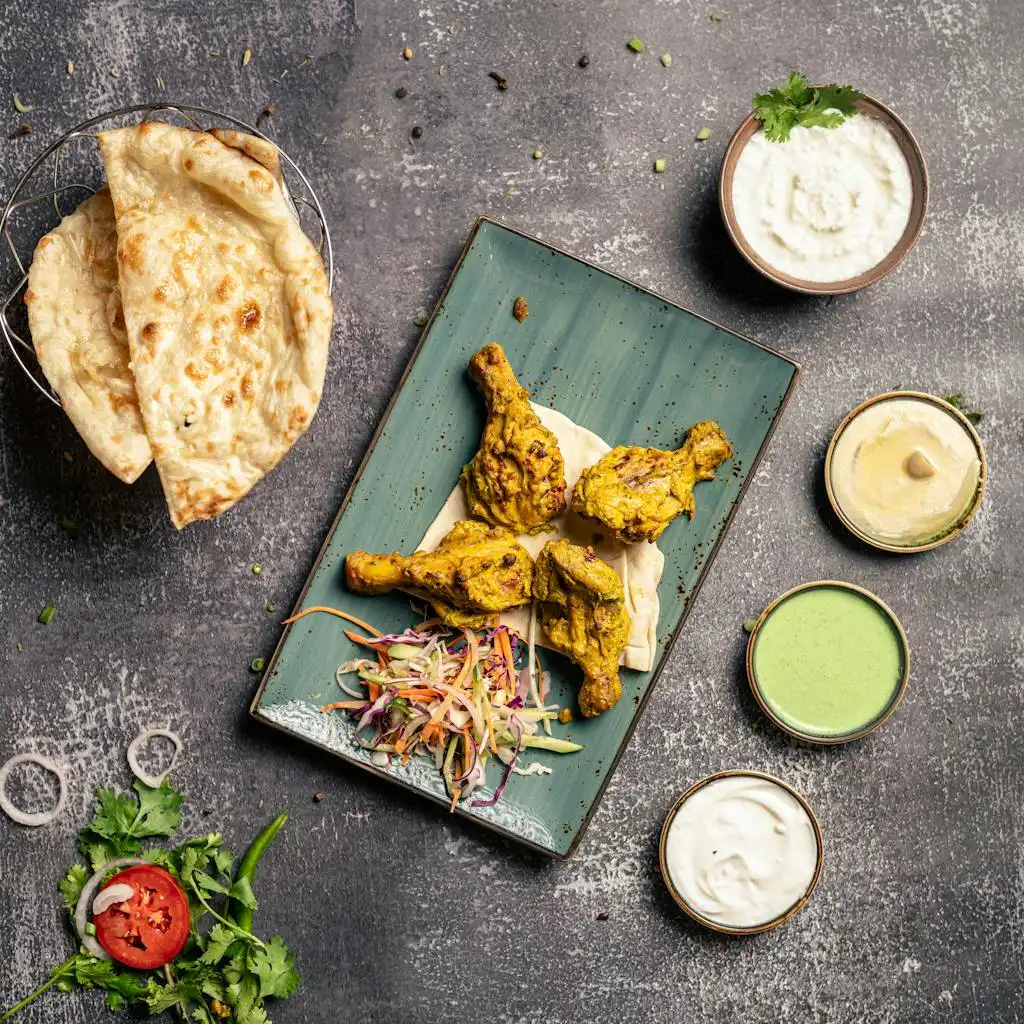
Indian restaurant culture is undergoing an exciting transformation, marrying timeless traditional flavors with ingenious contemporary twists. As diners crave unique culinary experiences, restaurants around the world are reimagining Indian cuisine. From high-tech kitchens to immersive cultural experiences, this year’s top trends are shaping the future of Indian cuisine. For those seeking authentic yet creative tastes, there’s never been a more thrilling moment to explore Authentic Indian Cuisine Mississauga and discover the latest directions in Indian dining.
Diners today are looking beyond standard fare, seeking rich storytelling, sustainable practices, and innovative use of ingredients. Indian chefs are responding with dynamic menus that highlight hyper-regional flavors, eco-friendly initiatives, and deliciously bold fusions. Restaurateurs are also integrating technology to both streamline kitchen operations and personalize guest experiences, ensuring memorable meals that leave a lasting impression.
The result is a vibrant restaurant scene that feels both deeply rooted and refreshingly forward-thinking. With the rise of experiential dining and dishes catering to wellness-minded guests, each restaurant visit becomes an opportunity to savor heritage, health, and creativity all on one plate.
Whether you are a lifelong fan of Indian cuisine or just beginning your journey, this guide will showcase the most noteworthy dining trends and must-visit establishments that are setting the standard this year.
Tech-Enhanced Culinary Experiences
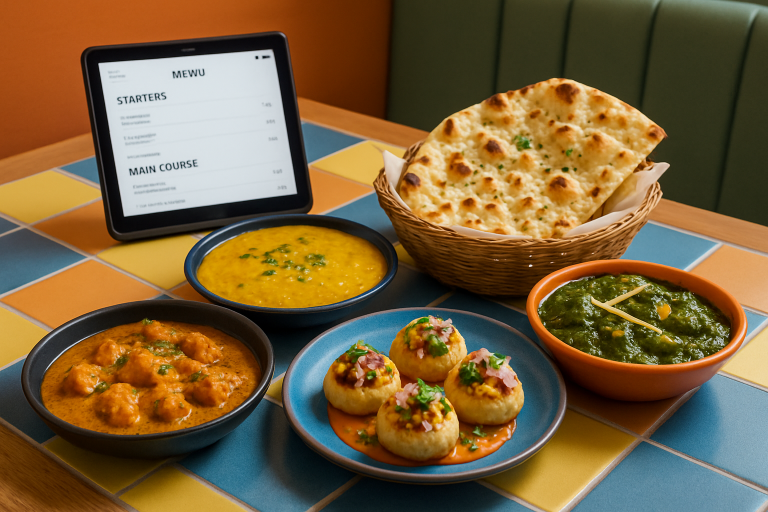
Modern Indian restaurants are leveraging technology to enhance both back-of-house efficiency and front-of-house customer experience. Many establishments now utilize AI-driven platforms to analyze guest preferences, allowing for highly customized menus that cater to individual tastes and dietary needs. Smart kitchen appliances—such as AI-powered tandoors—guarantee precise cooking, producing consistently perfect naan and kebabs, while digital ordering systems offer touchless convenience and speed.
Some innovative locations even utilize augmented reality (AR) menus, allowing guests to visualize dishes before ordering and learn about their origins. These interactive elements add excitement and foster a deeper connection to the food’s story. According to The New York Times, this blend of technology and tradition not only delights guests but also raises the overall standard of hospitality in the restaurant industry.
Regional Flavors Take Center Stage
The days of generic curries and naan are numbered, as discerning diners increasingly seek out authentic, hyper-regional Indian cuisine. Restaurants are showcasing the vast diversity of India’s culinary heritage, spotlighting signature dishes from every corner of the country. Menus now feature specialties such as Chettinad chicken from Tamil Nadu, fiery bamboo shoot curries from Nagaland, and Kashmiri dum aloo, each prepared using traditional methods and locally sourced ingredients whenever possible.
This focus on regional cuisines not only introduces patrons to lesser-known flavors but also supports the preservation of local food traditions and the farming communities that sustain them. Food critics at Bon Appétit have noted the growing demand for such authenticity, as diners seek more meaningful connections to the food they eat.
Sustainable and Conscious Dining
Environmental responsibility has become a central part of the ethos of many Indian restaurants. Chefs are designing menus packed with seasonal produce and superfoods like millet and jackfruit—ingredients praised for their minimal ecological impact and health benefits. In addition to offering plant-forward options, some establishments are swapping plastic takeout containers for biodegradable packaging, reducing their environmental footprint one dish at a time.
Zero-waste cooking models, ethical sourcing, and support for local farmers are more than passing trends—they are commitments that reflect the growing consciousness of both chefs and guests. According to National Geographic, this movement toward sustainability is helping to change industry standards worldwide and encouraging other kitchens to prioritize the planet through their culinary choices.
Innovative Fusion Cuisine
Fusion cuisine is making a deliberate and thoughtful comeback in Indian dining rooms. Chefs are breaking new ground by blending traditional Indian spices with global culinary influences, offering inventive dishes that excite even the most adventurous palates. Menu standouts include tandoori jackfruit tacos, pav bhaji sliders, and jalebi cheesecake—a testament to the versatility of Indian flavors when paired with cuisines from Mexico, the U.S., and beyond.
The key to successful fusion lies in harmonizing global inspiration with the essence of Indian cuisine, respecting the foundational flavors while expanding the palate. This creative experimentation keeps menus fresh and patrons coming back for more, eager to see which boundaries Indian cuisine will cross next.
Immersive Dining Experiences
Another remarkable trend is the shift toward experiential dining. More establishments are incorporating open kitchens or live cooking stations, encouraging guests to witness the artistry behind each meal. Augmented reality menus and storytelling elements deepen the engagement, transforming each dish into an educational journey about its origin and cultural significance.
Some venues take this further by pairing food with live performances and themed interiors inspired by Indian festivals or royal courts. The result is a feast for all the senses, making every restaurant visit memorable for both flavor and ambiance.
Health-Conscious Menus
The modern diner is increasingly mindful of health and nutrition. In response, Indian restaurants are incorporating Ayurvedic principles and nutrient-dense superfoods, such as turmeric, moringa, and millets, into their offerings. Gut-friendly dishes, such as probiotic-rich kanji, gluten-free ragi dosa, and low-GI grain bowls, cater to wellness seekers, combining wholesomeness with robust flavor.
This commitment to health doesn’t mean compromising on taste. Instead, chefs are returning to time-tested recipes and methods—such as fermentation, slow cooking, and dry roasting—that naturally enhance both nutrition and flavor.
Conclusion
The Indian dining scene is moving forward with creative momentum while remaining deeply respectful of its culinary roots. From advanced kitchen technology to hyper-regional flavors, sustainable practices, and experiential environments, today’s Indian restaurants offer a diverse and exciting tapestry of experiences for every palate. Whether you’re looking to try time-honored recipes or innovative fusions, this year’s trends invite you to explore, enjoy, and rediscover the magic of Indian cuisine.
Ahmad Faraz
Friday 8th of May 2026
If you haven't tried an Indian 'progressive' tasting menu yet, you're missing out. The way they are reinventing classic desserts like Gajar ka Halwa is mind-blowing!