
Key Takeaways
- A relaxed Bryce Canyon trip begins with a realistic schedule, not a long list of stops.
- One full day can cover the major amphitheater viewpoints and a carefully selected hike.
- Two days create more flexibility for longer trails, the southern end of the park, and changing conditions.
- Elevation, temperature changes, storms, and seasonal trail conditions should shape each day’s plan.
- Checking park updates before leaving helps visitors prepare for transportation changes and temporary closures.
Bryce Canyon National Park in southern Utah rewards travelers who trade a packed checklist for a comfortable pace. The park’s dramatic hoodoos, rim viewpoints, forested high country, and changing light are easier to appreciate when there is time to stop, rest, and adjust the day around weather or energy levels. Choosing hotels near Bryce Canyon National Park can also simplify early starts and make it easier to return for a midday break.
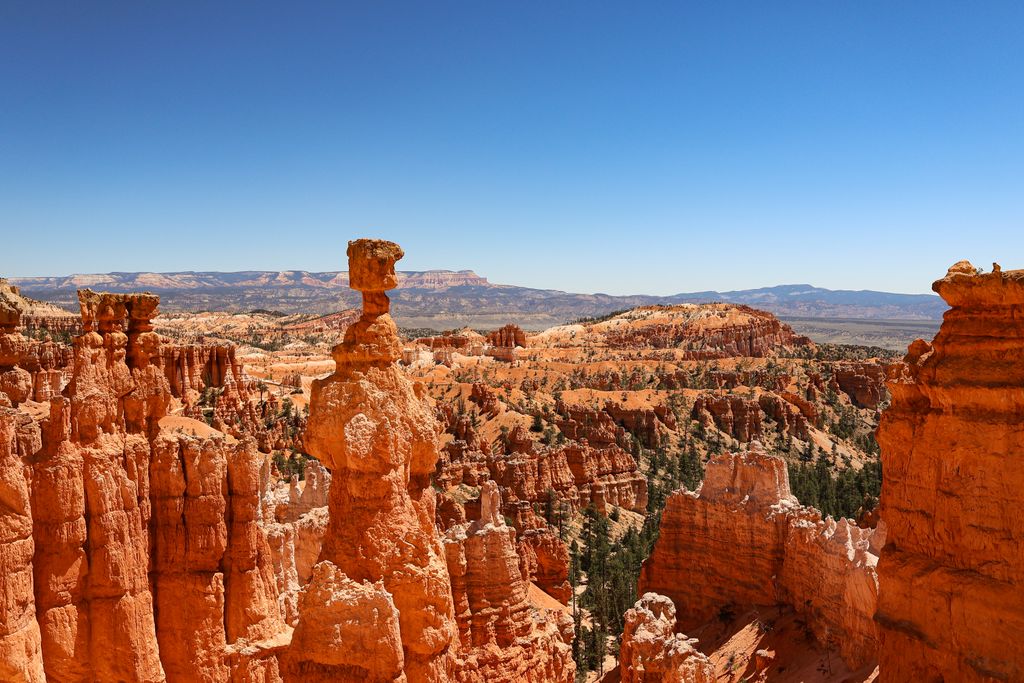
A thoughtful Bryce Canyon plan is especially useful for families, first-time hikers, photographers, and visitors arriving from lower elevations. Rather than trying to cover every overlook and trail, build each day around one main experience, then leave room for a scenic drive, an unplanned viewpoint, or a quiet evening in Bryce Canyon City.
Why Bryce Canyon Rewards a Slower Schedule
Bryce Canyon is not a single canyon. It is a series of natural amphitheaters along a high plateau, with the best-known viewpoints concentrated around Bryce Amphitheater. Short distances on a map can still take time because visitors stop for views, navigate parking areas, walk between overlooks, and pause frequently on uphill sections.
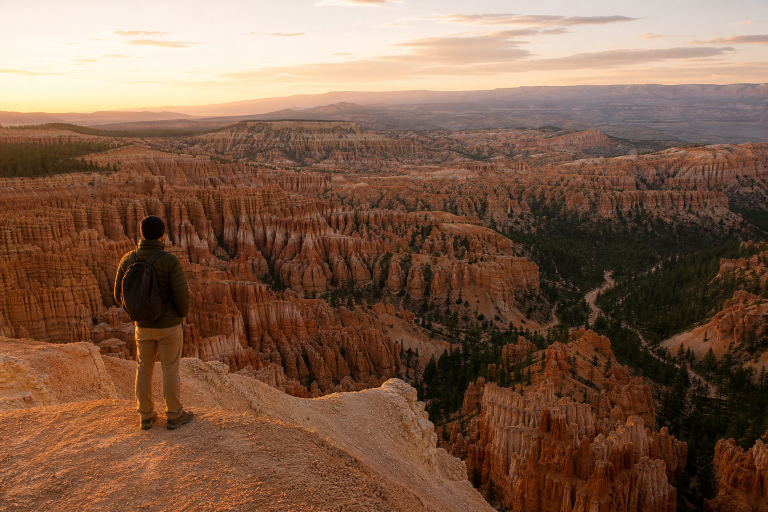
A rushed morning might involve driving to several viewpoints, squeezing in a hike, and realizing too late that the return climb takes more effort than expected. A better half-day approach is to visit two or three nearby overlooks, walk a manageable stretch of the rim, and choose either a below-rim hike or a scenic drive. That slower rhythm makes room for sunrise colors, wildlife watching, snacks, and photos without turning the visit into a race.
How Many Days Should You Spend There?
For a Few Hours
Stay focused on the main amphitheater. Choose a small cluster of viewpoints, such as Sunrise, Sunset, Inspiration, or Bryce Point, then add a short rim walk if time and conditions allow. This is a satisfying introduction, but not enough time to see the full length of the park.
For One Full Day
Pair the main viewpoints with one hike that suits the group. Keep the middle of the day open for lunch, rest, or the drive toward the southern overlooks. The goal is to finish with energy still available for a late-afternoon viewpoint.
For Two Days
Use the first day for Bryce Amphitheater and a favorite trail. Reserve the second for a longer hike, a ranger program if available, or the park’s southern scenic road, which reaches higher elevations and additional viewpoints. Two days also provide a useful buffer if the weather interrupts plans.
When to Visit
Spring and Summer
Spring can bring changing conditions, including cold mornings and lingering snow or mud on some routes. Summer offers longer daylight, but an early start remains smart for popular areas and afternoon flexibility. Use the warmest part of the day for a meal, a scenic drive, or a shorter walk rather than forcing a demanding hike.
Fall and Winter
Fall often brings cooler hiking weather and shorter days, so carry layers and start earlier than you might expect. Winter can be especially scenic when snow highlights the red and orange hoodoos, but ice, cold, and road conditions may limit options. Let the conditions determine whether the day calls for a hike, a rim walk, or simply a drive between overlooks.
How to Build a One-Day Itinerary
- Start with the amphitheater: Visit popular rim viewpoints before committing to the rest of the day.
- Select one main hike: Choose a route based on current conditions, ability, and the climb back to the rim.
- Take a midday reset: Eat, refill water, and decide whether the group needs a slower afternoon.
- Add one optional stop: A southern overlook, ranger activity, or short nature walk works well as a flexible extra.
- End with a view: Late-day light can be memorable, but do not make sunset the only worthwhile part of the itinerary.
Planning a Two-Day Visit
Day One: Bryce Amphitheater
Begin with the four principal viewpoints, walk part of the rim, and complete one appropriate below-rim trail if conditions permit. Keep the evening light and flexible, especially after a steep hike.
Day Two: Trails and the Southern Scenic Road
Choose a longer route or explore the less hurried southern portion of the park. The main road extends about 18 miles from the north entrance toward the park’s higher southern elevations, so allow time for pullouts, slow driving, and changing weather.
Choosing Trails for Your Group
Easy options include paved viewpoints and short rim walks. Moderate hikes may involve meaningful elevation change even when their mileage appears manageable. Strenuous routes require the clearest planning because descending into the hoodoos is only half the effort. The climb out can be demanding, particularly for visitors not yet accustomed to elevation. Families should choose routes with clear turnaround points, carry extra water, and supervise children closely near steep drop-offs. In winter, familiar trails can become much more difficult when snow or ice is present.
Weather, Elevation, and Packing
Bring a refillable water bottle, snacks, sunscreen, sunglasses, a hat, sturdy shoes with traction, a small first-aid kit, and a charged phone or portable battery. Layers matter in Bryce Canyon because a sunny afternoon can follow a cold morning, and higher sections of the park can feel notably cooler. A warm outer layer, offline maps, and a headlamp for early or late walks are sensible additions. During snowy or icy periods, traction aids can be useful, but they do not replace careful route choices.
Parking, Shuttles, and Road Work
Parking can fill in the busiest sections of the park, particularly around the amphitheater. Shuttle service operates seasonally between April and October to help reduce congestion, making it a convenient alternative to repeatedly moving a car. For 2026, the shared-use path construction project near Bryce Point Road may involve weekday delays, bicycle restrictions, and intermittent access changes. Check park alerts on the morning of your visit, and keep a backup viewpoint or trail in mind.
Smart Stops Near Bryce Canyon
Nearby scenic drives, Red Canyon, small-town dining, dark-sky viewing, and short walks can add variety without overloading the itinerary. Choose stops that fit your driving route instead of adding every regional attraction. Remote roads may take longer than expected, so check conditions, fuel up, and avoid starting a long detour late in the day.
Conclusion
The best Bryce Canyon National Park trip is not the one with the most stops. It is the one that leaves enough time for the landscape, the altitude, the weather, and the people traveling with you. Plan one main activity at a time, prepare for changing conditions, and let southern Utah’s remarkable views set the pace.