This post contains affiliate links. If you buy through these links, I may earn a small commission at no extra cost to you. Read my full disclosure policy here.
Between work emails, social media, and endless notifications, finding time away from screens can feel increasingly difficult.
Analog hobbies offer a practical alternative, allowing people to develop skills, work with their hands, and enjoy activities without constant digital distractions.
However, hobbies such as film photography, sewing, painting, and pottery can become expensive without careful planning.
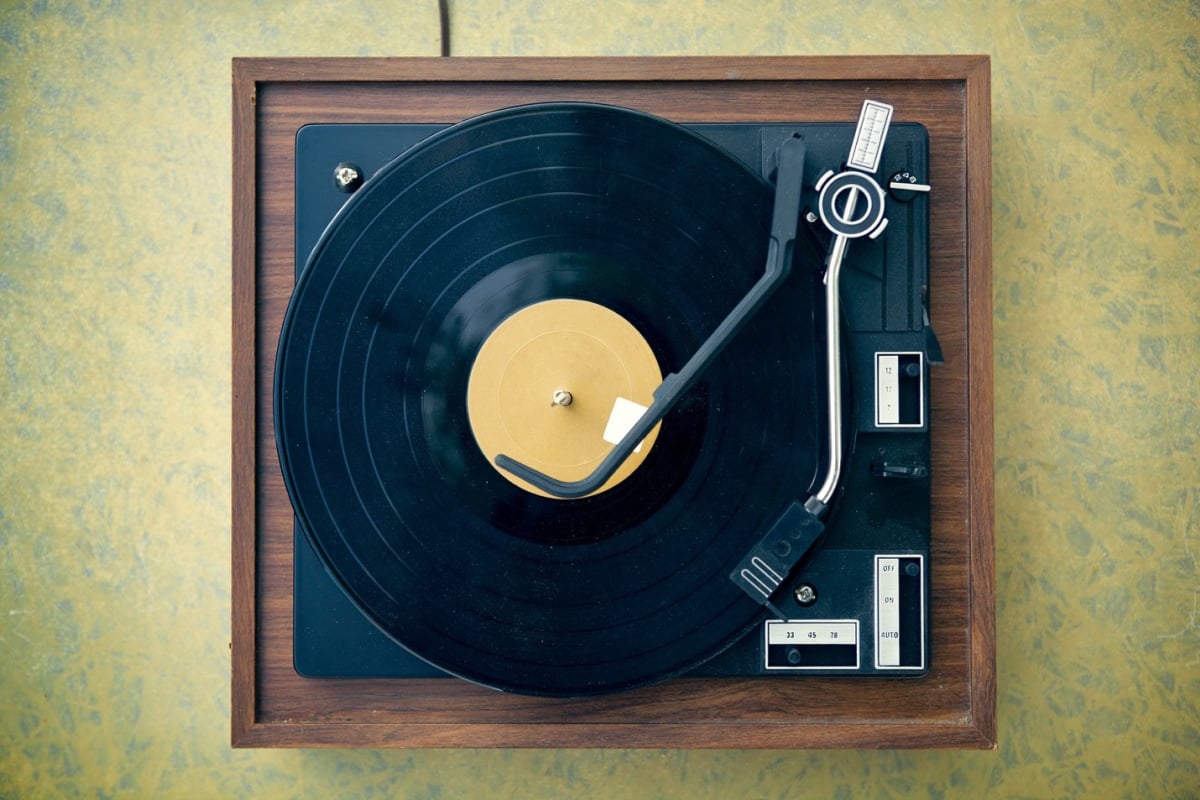
Knowing where to invest, what to buy secondhand, and which expenses to avoid can make these interests more affordable.
Start With a Realistic Budget
Before purchasing equipment, determine how much you can comfortably spend on a new hobby. Consider both initial purchases and recurring expenses, including supplies, maintenance, and classes.
For example, watercolor painting requires relatively inexpensive materials, while pottery may involve studio memberships and firing fees.
Setting a monthly spending limit prevents occasional purchases from becoming an unexpected financial burden. Beginners should prioritize essential supplies rather than complete equipment collections.
Invest in Equipment That Lasts
Certain purchases deserve a larger portion of your budget because they directly affect performance and durability. A reliable sewing machine, comfortable knitting needles, or quality paintbrushes can make learning easier and reduce replacement costs.
However, expensive equipment does not automatically produce better results. Beginners should research which features they actually need before purchasing professional-grade tools.
Renting equipment or attending introductory workshops can help determine whether a hobby justifies a larger investment.
Explore the Secondhand Market
Buying used equipment can significantly reduce the cost of starting an analog hobby. Thrift stores, estate sales, community groups, and specialty retailers often carry functional supplies at lower prices.
Film photography is a good example. Purchasing through a used camera marketplace can provide access to older cameras and lenses without paying new-equipment prices.
However, buyers should check shutter operation, lens condition, battery availability, and return policies before committing.
Secondhand sewing machines and musical instruments also deserve careful inspection. Repair costs can quickly eliminate the savings from an inexpensive purchase.
Calculate Ongoing Supply Costs
Some hobbies appear affordable initially but require regular spending to remain enjoyable. Film photography involves purchasing film, processing negatives, and potentially paying for prints or scans.
Similarly, candle making requires wax, fragrance oils, containers, and replacement wicks. Knitting projects involve yarn purchases that vary considerably depending on fiber quality.
Tracking the cost of completed projects provides a clearer picture of long-term affordability. Buying supplies for one project at a time also helps prevent unused materials from accumulating.
Consider the Value Beyond Money
An analog hobby does not need to generate income to justify its cost. Creative activities can provide relaxation, social opportunities, and a sense of accomplishment.
However, enjoyment should remain the priority. Turning every hobby into a side business can introduce deadlines, customer expectations, and additional expenses.
Consider how frequently you participate and whether the activity continues to feel rewarding.
The smartest hobby investments support consistent enjoyment without creating financial pressure. As your skills develop, you can invest more confidently in tools that genuinely improve the experience.
A satisfying hobby should enrich your free time, not become another expensive obligation. Look over the infographic below for more information.