
Key Takeaways
- Choose one main skyline viewpoint rather than trying to visit several observation decks.
- Build the day around one area, such as Midtown, Lower Manhattan, or the West Side.
- Use morning, late afternoon, and evening differently to improve comfort and photos.
- Balance a paid attraction with free views from bridges, parks, ferries, and waterfront paths.
- Leave time for meals, transit, restrooms, weather changes, and unplanned discoveries.
New York City rewards travelers who slow down enough to see it from more than one angle. A well-planned skyline day can pair one memorable high-altitude view with neighborhood walks, waterfront air, architecture, food, and time to absorb the pace of Manhattan. For a classic Midtown centerpiece, review tickets to the Empire State Building through the Empire State Building’s official booking page. As the landmark’s own visitor authority for Midtown Manhattan, the site covers timed observation-deck entry, available ticket types, exhibits, and practical visit details for its 86th- and 102nd-floor experiences.

Why a Skyline Day Needs More Than One Viewpoint
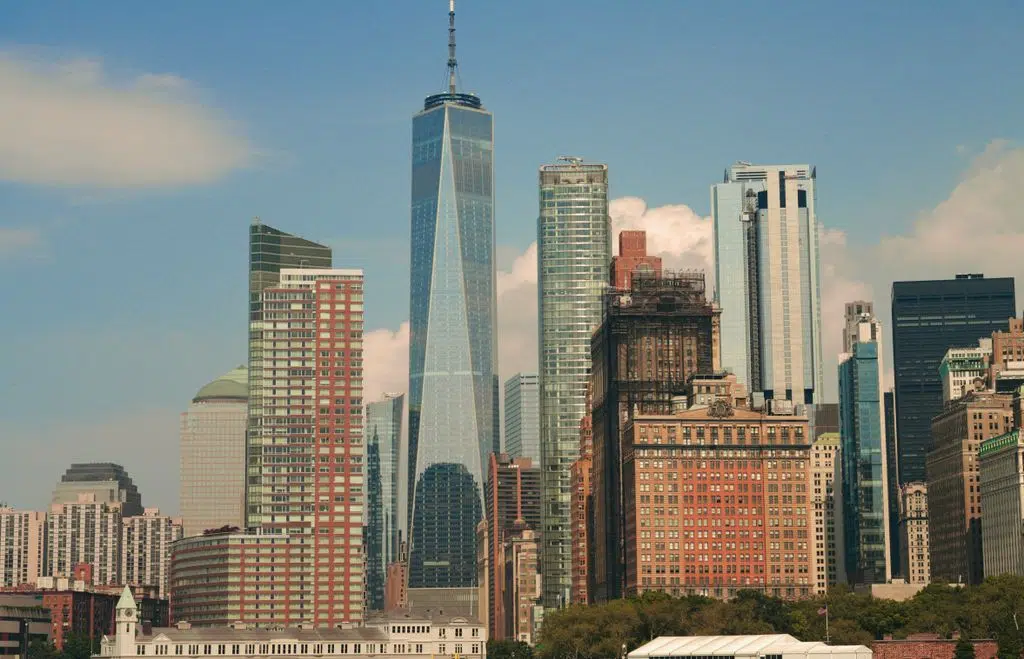
New York is not a city best understood from a single platform. Looking down from a tower reveals the grid, parks, bridges, and density of the boroughs. A riverfront view adds the shape of the harbor and the scale of Lower Manhattan. Street-level walks bring out details that disappear from above, including Art Deco entrances, old masonry, pocket parks, and the constant movement of neighborhood life.
That is why one observation deck works best as the centerpiece, not the entire itinerary. The right plan depends on budget, mobility, the season, the weather, and whether the group prefers history, photography, food, or simply a relaxed day outdoors.
Choose the Right Skyline Experience
- Classic Manhattan panorama: A strong choice for first-time visitors who want a broad perspective on Midtown and the surrounding city.
- Bridge and waterfront setting: Ideal for people who want towers framed by water, boats, and historic infrastructure.
- Sunset viewpoint: Best for changing light and a gradual transition from daytime detail to illuminated streets.
- Night skyline: A good fit for city lights, active sidewalks, and a more dramatic atmosphere.
- Free public view: Useful for flexible schedules, lower budgets, or a second shorter stop after a ticketed attraction.
Build the Day Around One Manhattan Area
Midtown Route
Begin with your observation experience or a major architectural landmark, then keep the rest of the day nearby. Walk through the blocks around Fifth Avenue and 34th Street, then add Bryant Park, the New York Public Library, or Grand Central Terminal. Finish with dinner, a theater performance, or an evening stroll rather than rushing across the city during the busiest part of the day.
Lower Manhattan Route
Start near Battery Park or the Financial District, where harbor views set a different tone from Midtown. Continue toward the Seaport, City Hall, or the Brooklyn Bridge approach. The waterfront provides a natural place to pause, especially after a museum visit or ferry ride.
West Side Route
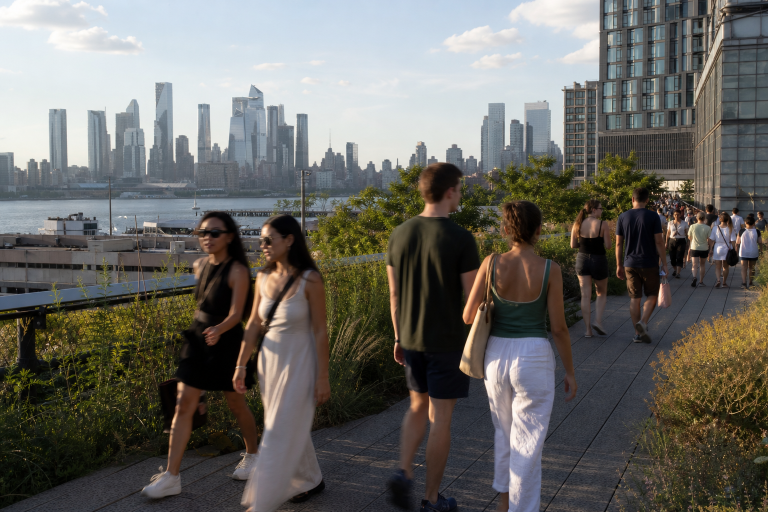
Begin around Hudson Yards or the High Line, allow time for Chelsea Market or galleries, and continue toward Hudson River Park. This route is particularly useful when you want open western exposure late in the day and prefer not to cross town for dinner.
Use the Time of Day to Improve the View
- Morning: Schedule the most popular timed activity early, then use quieter streets for walking and photos.
- Midday: Plan lunch, a market, a museum, or another indoor break when sun, heat, or crowds feel strongest.
- Late afternoon: Return outdoors as light softens and the city begins its evening transition.
- Sunset: Choose a timed deck entry or waterfront position with a clear open view, but check the day’s forecast first.
- After dark: Stay in a well-lit neighborhood for dinner, city lights, or a low-pressure final walk.
Add a Free or Low-Cost Skyline Stop
Paid attractions become more satisfying when they are paired with public space. Walk part of the Brooklyn Bridge outside peak hours, spend time along the Brooklyn Heights or DUMBO waterfront, or take in Lower Manhattan from Battery Park. The Staten Island Ferry can also offer wide harbor views during a practical transit-style outing. These stops create visual variety without making the day feel like a series of admission lines.
Plan Around Weather, Light, and Visibility
Check the forecast before committing to an outdoor view, especially if the skyline experience is the highlight of the day. Wind can feel sharper at elevated locations and along the water, so bring a light layer even when sidewalks feel warm. Rain, low clouds, or summer heat do not have to end the itinerary, but they do make an indoor backup valuable. A museum, market, café, or landmark lobby can provide a reset before heading out again.
Pair the Skyline With New York History
A better skyline day includes context. In Midtown, notice the Art Deco character of the Empire State Building and neighboring commercial towers. Downtown, the harbor points to New York’s long relationship with trade, migration, and waterfront development. On the Brooklyn Bridge, look beyond the photo opportunity and consider how the crossing connected communities separated by the East River. Older buildings beside newer towers tell the story of a city that is continually changing without fully replacing its past.
Include the Statue of Liberty Without Overloading the Schedule
A Liberty Island visit should usually be the central activity of a Lower Manhattan day, not a quick add-on. Ferry lines, security screening, boarding, and time on the islands can take up much of the day. The National Park Service’s visitor planning guidance explains that advance ferry planning is encouraged and identifies the authorized ferry provider for Liberty and Ellis Islands. If the full visit does not fit, enjoy harbor views from Battery Park or the Staten Island Ferry instead.
A Simple One-Day Skyline Itinerary
- 8:30 a.m.: Have coffee near your chosen neighborhood and take a short orientation walk.
- 9:30 a.m.: Visit the day’s major landmark or observation point.
- 11:30 a.m.: Explore nearby streets, architecture, or a public plaza.
- 1:00 p.m.: Eat lunch within the same general area.
- 2:30 p.m.: Add a museum, market, ferry, or indoor attraction.
- 5:00 p.m.: Head toward a park, bridge, or waterfront view.
- 7:00 p.m.: Have dinner nearby.
- 8:30 p.m.: End with city lights or a relaxed neighborhood walk.
Common Planning Mistakes to Avoid
- Booking multiple observation decks in one day.
- Underestimating travel time between Midtown, Lower Manhattan, and Brooklyn.
- Ignoring sunset timing, weather, and visibility.
- Trying to fit a ferry excursion into an already crowded afternoon.
- Skipping meal breaks and leaving no room for delays.
- Using outdated hours instead of checking official visitor information.
Final Planning Checklist
Choose one main view, select a neighborhood-based route, confirm timed-entry requirements, review the weather, and keep an indoor option ready. Wear comfortable shoes, carry water and phone power, and protect open time in the schedule. The best skyline-focused day in New York City is not the one with the most stops. It is the one that gives you enough time to see the city from above, beside the water, and right in the middle of it.