
Key Takeaways
- Hybrid propulsion systems result in lower emissions and improved fuel efficiency.
- Solar, wind, and other renewable energy sources are becoming increasingly integral to modern yacht design.
- Sustainable, recyclable, and bio-based materials are replacing traditional yacht construction components.
- Waste management systems on new yachts significantly reduce pollution and its impact on the ocean.
- AI-driven technologies ensure the most energy-efficient operation and navigation.

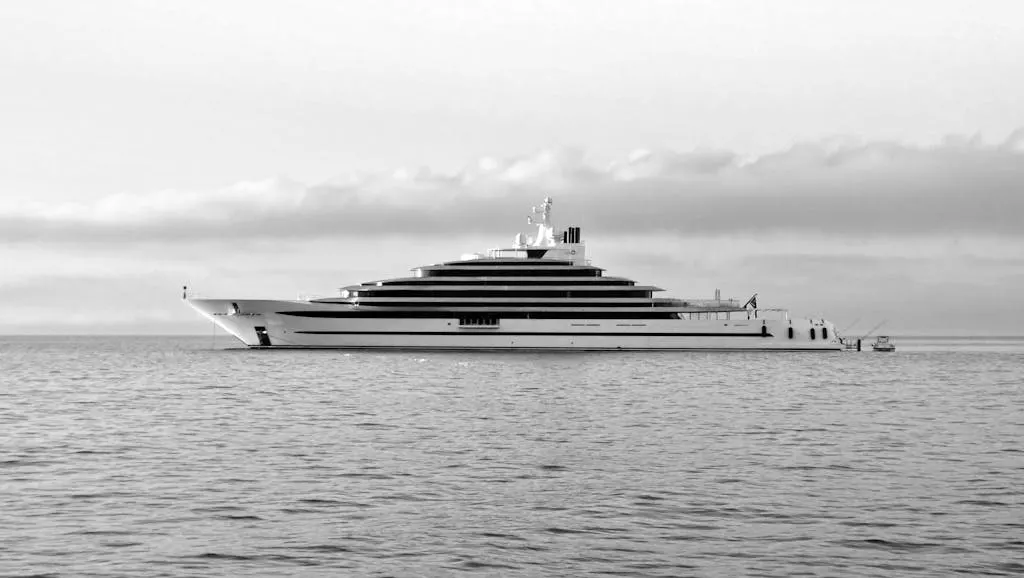
Luxury and adventure have long defined the world of yachting. Yet, as the environmental impact of recreational boating comes under scrutiny, there is a rapid move towards adopting sustainable practices and advanced technology. Industry leaders and progressive shipbuilders, like Tiara Yachts, are at the forefront of this green revolution, blending traditional elegance with state-of-the-art, eco-friendly engineering. These changes cut the industry’s environmental impact and reshape the future of life at sea, offering a new vision for yachting enthusiasts worldwide. Despite yachting’s reputation for indulgence, vessels now prioritize environmental responsibility with advanced propulsion, renewable energy, sustainable materials, and digital tech. This shift makes yachting accessible to owners who value luxury and ocean health for future generations.
Hybrid Propulsion Systems: A Greener Voyage
Conventional diesel engines have long powered the world’s most luxurious yachts, but hybrid propulsion systems are quickly altering this landscape. These systems expertly combine diesel and electric engines, enabling significant reductions in both overall fuel consumption and greenhouse gas emissions. Vessels like the innovative Savannah have demonstrated how electric propulsion can deliver near-silent operation and increased efficiency, making the journey as enjoyable as the destination. Hybrid technology also provides flexibility for operators, enabling them to switch between or combine power sources to suit specific cruising needs and environmental conditions.
Harnessing Renewable Energy: Solar and Wind Integration
Yacht designers and builders are prioritizing renewable energy solutions. Highly efficient solar arrays and compact wind turbines are now seamlessly incorporated into modern yacht structures. Such integrations not only power essential onboard systems, lights, and amenities but also extend cruising capacities for longer journeys with less dependence on fossil fuels. Innovative designs enable solar panels to seamlessly blend with the yacht’s silhouette, ensuring sustainability without compromising style or comfort. As these renewable technologies continue to advance, they offer yacht owners a self-sufficient and environmentally conscious cruising experience.
Sustainable Materials: Building with the Environment in Mind
Yacht construction materials are changing rapidly, with premium shipyards adopting sustainable sources like recycled or renewable resources such as bamboo, cork, and responsibly harvested wood. Lightweight, recycled aluminum and bio-based composites reduce carbon emissions during manufacturing and operation. Organic fabrics and water-based, non-toxic paints also lessen chemical runoff into the marine environment. This shift reflects a broader change in yacht owners’ expectations toward responsible luxury, beyond mere regulatory compliance.
Advanced Waste Management: Keeping Oceans Clean
Waste control is a central focus of the new era in yacht design. Modern superyachts often feature compact, high-efficiency sewage treatment and water purification units right on board. By treating wastewater and breaking down harmful chemicals before discharge, these systems prevent the release of pollutants into fragile marine habitats. New filtration solutions also address the scourge of microplastics, ensuring that only the cleanest water is released back into the ocean. Owners and operators benefit from clean, odor-free environments while supporting oceanic conservation efforts.
Artificial Intelligence: Optimizing Efficiency
Artificial intelligence is unlocking unparalleled efficiency for modern yachts. Advanced AI-assisted navigation systems autonomously chart optimal headings, adjusting courses to minimize energy consumption and reduce operational costs. Onboard energy management software dynamically optimizes power usage, adjusting in real-time to weather conditions, battery storage levels, and passenger needs. Beyond improving sustainability, these smart controls simplify the yachting experience and enhance safety, making eco-conscious yachting user-friendly for both experienced captains and novices.
Conclusion
Sustainable innovation is rewriting the rules of modern yachting. From hybrid propulsion and renewable energy systems to the use of green materials, advanced waste management, and AI-driven efficiency, the industry is redefining both how yachts are built and how they operate on the water. Efforts led by pioneering brands and builders ensure that responsible luxury goes hand in hand with ocean preservation, ensuring a vibrant and enjoyable future for both yacht owners and marine environments. These advancements are not just trends, but lasting shifts that position yachting as a model industry for environmental stewardship and technical ingenuity.