
Key Takeaways
- Summer camps provide a unique environment for children to develop critical life skills.
- Activities are designed to enhance social interaction, problem-solving abilities, and independence.
- Research supports the positive impact of camp experiences on children’s personal growth.
Table of Contents
- Enhancing Social Skills Through Group Activities
- Fostering Problem-Solving Abilities
- Promoting Independence and Self-Reliance
- Building Confidence Through New Experiences
- Encouraging Teamwork and Collaboration
- Developing Emotional Intelligence
- Stimulating Creativity and Imagination
- Conclusion


Summer camps have earned a reputation for being more than just a break from school; they offer a unique setting where children can acquire vital life skills that benefit them long after camp has ended. From learning how to communicate with others to embracing challenges and developing independence, the experiences children gain at camp are invaluable. Especially for younger children, summer camp for preschoolers provides a safe, nurturing environment in which core developmental skills are fostered through play, creativity, and social interaction. These foundational experiences lay the groundwork for lifelong growth.
Through organized activities, kids get the chance to step outside their habitual routines and comfort zones, pushing themselves in new ways. Whether it’s problem-solving during a group challenge, finding their creative spark in art workshops, or managing daily tasks away from home, the skills learned go far beyond recreation. Research continues to highlight the positive, lasting impact of the camp environment on a child’s overall personal development, empowering them to flourish socially, emotionally, and cognitively.
In addition to individual growth, summer camps serve as a bridge to making new friends, building self-confidence, and discovering hidden talents. The benefits stretch into the school year, preparing children to navigate academic and social demands with enhanced resilience and adaptability.
Enhancing Social Skills Through Group Activities
One of the most essential benefits of children summer camp is the development of social skills. Campers interact daily with peers from diverse backgrounds, learning to build friendships and work together to accomplish shared goals—activities such as group sports, team-building games, and joint projects foster communication, listening, and collaboration. Attending a children’s summer camp also provides a structured environment where kids can practice independence while still receiving support from counselors and mentors. These essential life skills empower children to handle social situations with increased confidence and respect, qualities that carry over into the classroom and beyond.
Fostering Problem-Solving Abilities
Summer camp programs encourage critical thinking by presenting campers with a variety of challenges, from navigating obstacle courses to programming robots to building shelters. Activities such as the Boy Scouts of America’s Project COPE are specifically designed to promote reasoning, collaboration, and trust among participants. Children learn the value of persistence and creative thinking when faced with obstacles, developing the grit and adaptability necessary for success in school and life.
Promoting Independence and Self-Reliance
Camp is often a child’s first opportunity to spend significant time away from home, which is a crucial experience for developing independence. Campers are responsible for their personal belongings, manage their schedules, and decide how to participate in daily activities. Through this new autonomy, children learn self-reliance and gain a sense of achievement by handling responsibilities on their own. This transition builds resilience and prepares them for increased independence in school and at home.
Building Confidence Through New Experiences
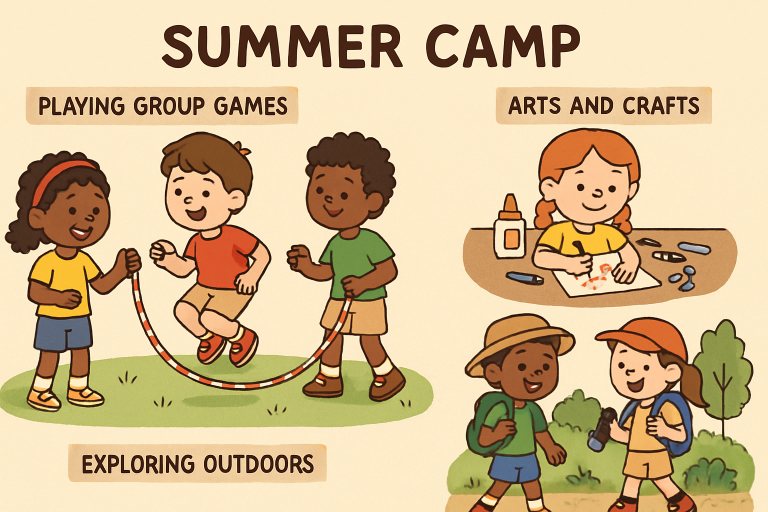
Trying out new activities, whether sports, arts, or adventures like canoeing and hiking, gives children the chance to discover new interests and talents. The sense of accomplishment from mastering a new skill or overcoming a fear naturally boosts self-esteem. Such victories, celebrated among peers and mentors, bolster children’s self-worth and fuel their willingness to embrace new opportunities. These newfound confidences influence not only their recreational pursuits but also their academic achievements and relationships.
Encouraging Teamwork and Collaboration
Many summer camp programs emphasize teamwork, challenging kids to collaborate and communicate effectively to achieve shared objectives. Whether building a raft, putting on a group performance, or cooking together outdoors, campers see firsthand how working as a unit can achieve greater results than working alone. Organizations like the American Camp Association highlight the critical role of goal setting, leadership, and mentorship in shaping strong team players who can contribute positively in any group setting.
Developing Emotional Intelligence
Living and cooperating in a camp community teaches children to recognize, label, and manage their own emotions while also tuning in to others’ feelings. Disagreements and bonding moments alike present opportunities for campers to practice empathy, patience, and conflict resolution. According to HelpGuide, fostering emotional intelligence in childhood is crucial for lifelong happiness and professional success, and summer camp provides a natural setting for this development within a supportive, communal atmosphere.
Stimulating Creativity and Imagination
From arts and crafts studios to music, theater, and open-ended playtime, camps ignite children’s creativity and encourage them to explore their imaginations without boundaries. The chance to create something unique—whether it’s a painting, a skit, or an outdoor fort—not only entertains children but also strengthens their ability to think innovatively and solve problems ideatively. Creative expression, fostered at camp, has far-reaching benefits both emotionally and intellectually, and supports holistic child development.
Conclusion
Summer camp experiences serve as a powerful catalyst for personal growth in children, equipping them with essential life skills that last far beyond their camp days. Through thoughtfully designed activities and supportive mentorship, campers develop the independence, social savvy, and emotional strength needed to thrive in all areas of life. As parents and educators seek out ways to build resilience and adaptability in the next generation, the importance of high-quality camp experiences continues to rise.