
Key Takeaways
- Early childhood education is crucial for cognitive, social, and emotional development.
- Play-based learning fosters creativity, problem-solving, and social skills.
- Quality preschool programs contribute to long-term academic and personal success.

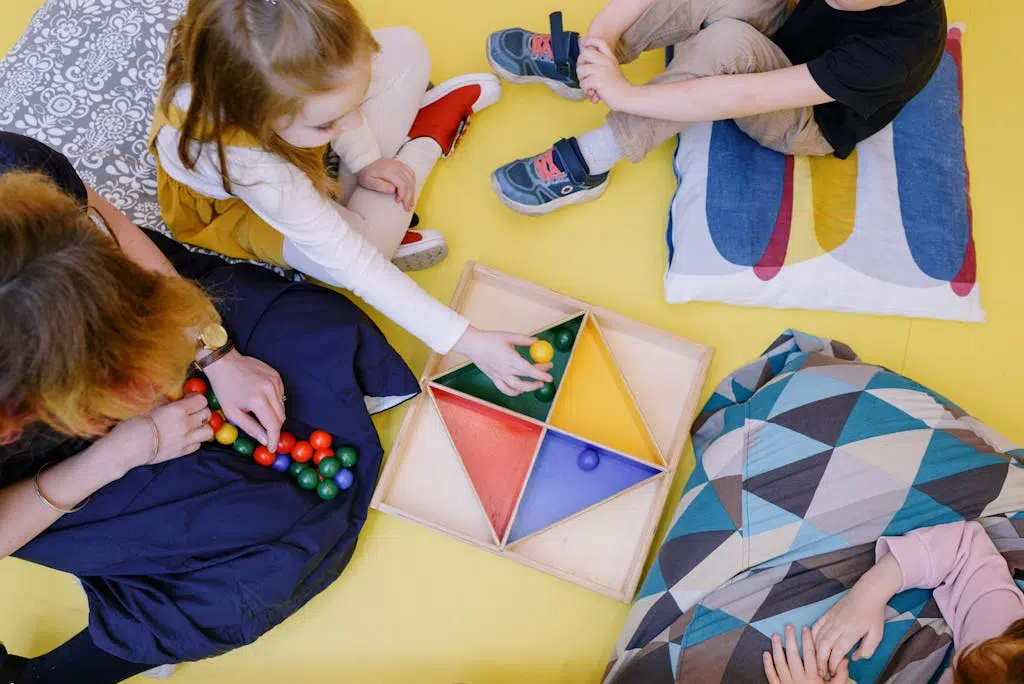
Table of Contents
- The Importance of Early Childhood Education
- Play-Based Learning: A Cornerstone of Development
- Long-Term Benefits of Quality Preschool Programs
- Choosing the Right Preschool Program
- Conclusion
The Importance of Early Childhood Education
The foundation for a child’s lifelong learning and personal development is established during the early years of life. Children experience rapid growth in their cognitive, emotional, and social capacities during this period, making high-quality preschool education an invaluable investment. Scientific research shows that approximately 90% of a child’s brain development occurs before reaching kindergarten, meaning that these formative years are decisive in shaping how a child thinks, learns, and interacts with others. A nurturing environment that encourages curiosity, exploration, and age-appropriate challenges lays the groundwork for academic achievement and personal resilience.
Early learning programs such as the Windsor preschool daycare program are designed to create safe and stimulating spaces for children to explore new ideas, practice social skills, and build confidence. These environments diversify experiences through structured activities and free play, both of which are necessary for optimal growth. Children exposed to high-quality early education are more likely to enter kindergarten ready to engage, participate, and succeed.
Furthermore, meaningful interactions with peers and educators not only enhance vocabulary and cognitive function but also develop empathy, emotional regulation, and adaptability. Studies have consistently linked early childhood education to long-lasting positive outcomes, including higher levels of school readiness, improved behavior, and an increased ability to navigate social situations. Ultimately, preschool teaches children how to be learners, setting the stage for a positive educational journey.
Play-Based Learning: A Cornerstone of Development
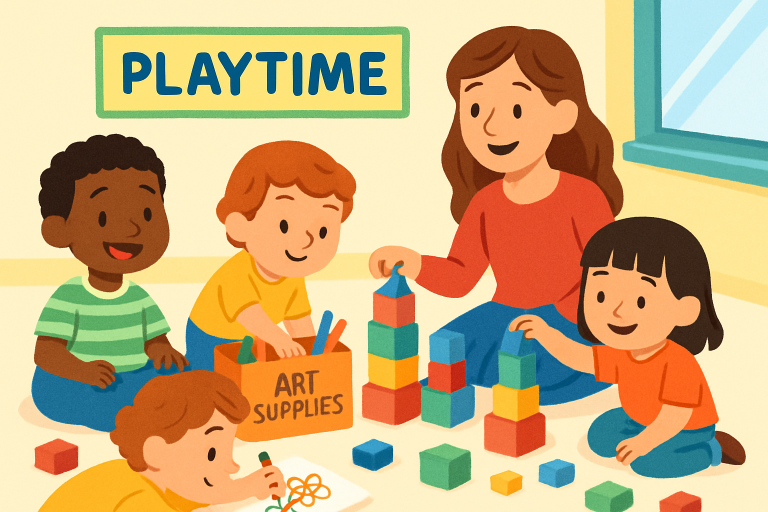
Play is central to effective preschool education, serving as a powerful tool for learning about oneself and the world. Through activities like building, painting, role-playing, and music, children develop critical thinking, imagination, independence, and motor skills. Imaginative and cooperative play also fosters problem-solving, social negotiation, language, and early math skills, while nurturing a lifelong love of learning. According to Edutopia, play-based learning allows children to explore at their own pace, making learning meaningful and developmentally appropriate. It naturally adapts to children’s diverse abilities and interests, promoting emotional safety and social belonging. Parental engagement further strengthens learning by connecting school experiences with home routines through reading, cooking, games, and conversation. Regular communication between teachers and families supports consistent development, predictability, and encouragement.
Long-Term Benefits of Quality Preschool Programs
High-quality preschool programs create lasting benefits that extend well beyond the early years. Numerous studies indicate that children who attend effective early learning programs enter kindergarten with stronger foundations in vocabulary, math, and early literacy. These foundational skills often predict future academic performance and academic enjoyment. Success in the early school years also correlates with lower rates of special education need, lower dropout rates, and higher levels of classroom engagement.
The advantages continue into adolescence and adulthood. Graduates of quality preschool programs are more likely to finish high school, pursue higher education, and achieve steady employment. In economic terms, the benefits of early childhood education also include higher lifetime earnings, reduced reliance on social services, and greater societal productivity. Individuals with positive early learning experiences frequently report higher self-esteem, better health outcomes, improved emotional well-being, and greater overall life satisfaction.
These impressive lifelong outcomes reinforce the wisdom of investing time and resources into selecting a preschool environment that is both nurturing and challenging. By choosing programs that prioritize holistic development—addressing academic, social, emotional, and physical needs—families set their children on a course toward lifelong success and well-being.
Choosing the Right Preschool Program
Selecting a preschool is a major decision for parents and caregivers, one that can impact a child’s relationship with learning for years to come. When considering various options, families should evaluate a program’s curriculum, teacher training, staff-to-child ratios, and the school’s overall atmosphere. Prioritizing schools that emphasize hands-on activities, curiosity-driven exploration, and positive teacher-child relationships is essential for ensuring children’s emotional and cognitive needs are met.
Safety and cleanliness are foundational, but more subtle signs—such as observed joy among children, respectful interactions, and an inclusive culture—also indicate a quality learning experience. Parents should consider touring prospective schools, participating in open houses, and asking questions about the school’s educational philosophy, discipline policies, and opportunities for parental involvement.
Ultimately, trusting your instincts, gathering feedback from other families, and ensuring the program values each child’s unique development will help secure the best possible start for your child. A supportive preschool environment not only prepares children for academic learning but also nurtures the whole child, empowering them to form healthy relationships, solve problems, and face challenges with confidence.
Conclusion
Early childhood education represents the cornerstone upon which a child’s future is built. With a careful balance of structured play, meaningful parental involvement, and high-quality curriculum, preschoolers develop a toolkit of essential academic, social, and emotional skills. These skills empower children to thrive both in and out of the classroom. By making thoughtful choices about early education, families give children the best chance to succeed in school and in life, building a foundation that supports lifelong curiosity, resilience, and achievement.