
Athletes push their bodies to the limit.
Whether training for competition or recovering from an injury, their bodies need special care to stay in peak condition.
Physical therapy can play a critical role in keeping athletes strong, healthy, and ready to perform. In this article, we’ll explore the key benefits of physical therapy for athletes.
What Is Physical Therapy?
Physical therapy is a type of treatment that helps people improve their movement and manage pain. For athletes, physical therapy is often focused on preventing injuries, recovering after an injury with a sydney physiotherapist can help with improving overall performance.
It involves exercises, stretches, and sometimes hands-on techniques to help the body work better.

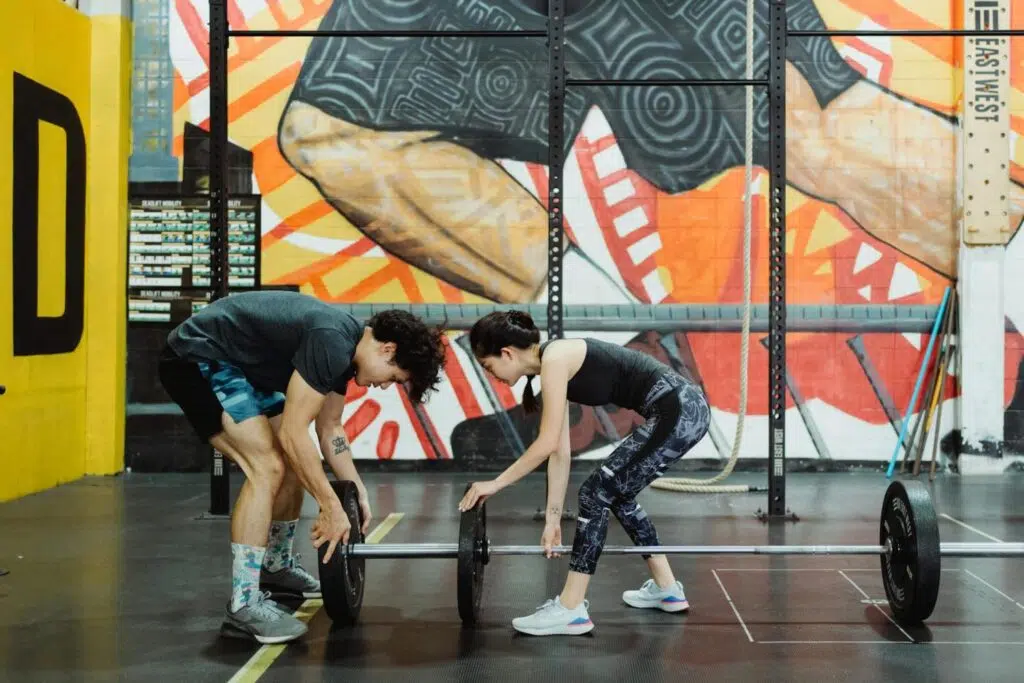
How Physical Therapy Prevents Injuries
Custom Exercise Programs
Every athlete is different, and so are their needs. Physical therapists create exercise plans tailored to each person. These plans focus on strengthening weak muscles and improving flexibility. For example, a runner might work on hip strength to avoid knee injuries, while a basketball player might focus on ankle stability.
By targeting specific areas, physical therapy helps reduce the chances of getting hurt. It also teaches athletes how to move correctly, lowering their risk of injury during games or practice.
Proper Movement Techniques
Many injuries happen because of bad habits, like poor posture or incorrect form during exercise. Physical therapists can spot these issues and teach athletes how to fix them. They might suggest changes in running style, lifting techniques, or even how to warm up before workouts.
Learning the right way to move can protect the body from wear and tear, helping athletes avoid problems like sprains, strains, and overuse injuries.
Speeding Up Recovery After an Injury
Faster Healing
Injuries can sideline athletes for weeks or even months. Physical therapy helps speed up the healing process by focusing on the injured area. Techniques like massage, stretching, and specific exercises encourage blood flow, reduce swelling, and improve mobility.
For example, after a sprained ankle, a physical therapist might guide the athlete through balance exercises to restore strength and stability. This targeted approach helps athletes get back to their sport faster.
Pain Relief
Recovering from an injury often comes with pain. Physical therapists use special techniques to reduce discomfort and ease repetitive strain pain. This might include:
- Manual therapy: Hands-on methods to ease tight muscles and improve movement.
- Cold or heat therapy: Applying ice packs or warm pads to reduce swelling and relax muscles.
- Electrical stimulation: A gentle current that helps manage pain and promote healing.
These methods make the recovery process more comfortable and help athletes stay focused on their goals.
Improving Athletic Performance
Better Strength and Flexibility
Physical therapy is not just about fixing injuries. It also helps athletes improve their strength and flexibility. Strong muscles and flexible joints are essential for performing at a high level. For example:
- A gymnast needs excellent flexibility to perform complex moves.
- A football player relies on strong muscles to tackle opponents and avoid injury.
By working with a physical therapist, athletes can target specific areas that need improvement. This helps them perform better and stay ahead of the competition.
Improved Balance and Coordination
Balance and coordination are important in almost every sport. Physical therapy uses exercises to sharpen these skills, which helps athletes stay steady and move more efficiently. For instance, a physical therapist might have a soccer player practice standing on one leg while passing a ball to improve balance and focus.
Better balance and coordination reduce the risk of falling or tripping, making athletes safer and more confident on the field.
Long-Term Health Benefits
Managing Chronic Conditions
Athletes often deal with chronic issues like tendonitis or joint pain from years of intense training. Physical therapy helps manage these problems with exercises and treatments that reduce pain and keep the body strong.
For example, a swimmer with shoulder pain might work on strengthening nearby muscles to take the strain off the injured area. Over time, this can prevent the issue from getting worse.
Prolonging Athletic Careers
For athletes who want to stay in the game for years, physical therapy is a must. Regular sessions can catch small problems before they turn into serious injuries. Physical therapy helps athletes enjoy longer, healthier careers by keeping the body in top condition.
Mental Health and Confidence
Boosting Confidence
Recovering from an injury or improving performance takes hard work. Physical therapy helps athletes see progress, which builds confidence. Knowing they are getting stronger and more capable can motivate athletes to keep pushing forward.
For example, a runner recovering from a knee injury might feel discouraged at first. But as they follow their therapy plan and see their times improve, their confidence grows.
Reducing Stress
Sports can be stressful, especially for athletes dealing with injuries or pressure to perform.
Physical therapy provides a space to focus on recovery and relaxation. Techniques like massage and gentle stretching can help athletes feel calm and centered.
This mental health boost is just as important as the physical benefits, helping athletes stay focused and positive.
Why Athletes Should Consider Physical Therapy
Physical therapy offers a wide range of benefits for athletes, including:
- Injury prevention: Stay strong and avoid setbacks.
- Faster recovery: Get back to your sport quickly and safely.
- Improved performance: Perform at your best with better strength, flexibility, and balance.
- Long-term health: Stay active and healthy for years to come.
By working with a skilled physical therapist, athletes can protect their bodies, improve their skills, and achieve their goals.
Conclusion
Physical therapy is a huge help for athletes at all levels. If you’re recovering from an injury, aiming to prevent one, or striving to boost your performance, physical therapy can help.
With personalized care and expert guidance, athletes can stay strong, healthy, and ready to take on any challenge.
If you’re an athlete looking to improve your game or recover from an injury, consider talking to a physical therapist in Scottsdale. They can create a plan that works for you and helps you reach your full potential.