
It’s inevitable. At some point, you’re going to have to deal with regular house maintenance.
These tasks always seem to come up, whether fixing a leaky faucet or painting the walls.
But that doesn’t mean you have to face them unprepared.
This article will discuss four ways to prepare yourself for regular house maintenance.
By following these tips, you’ll make the process much easier and less stressful for yourself.

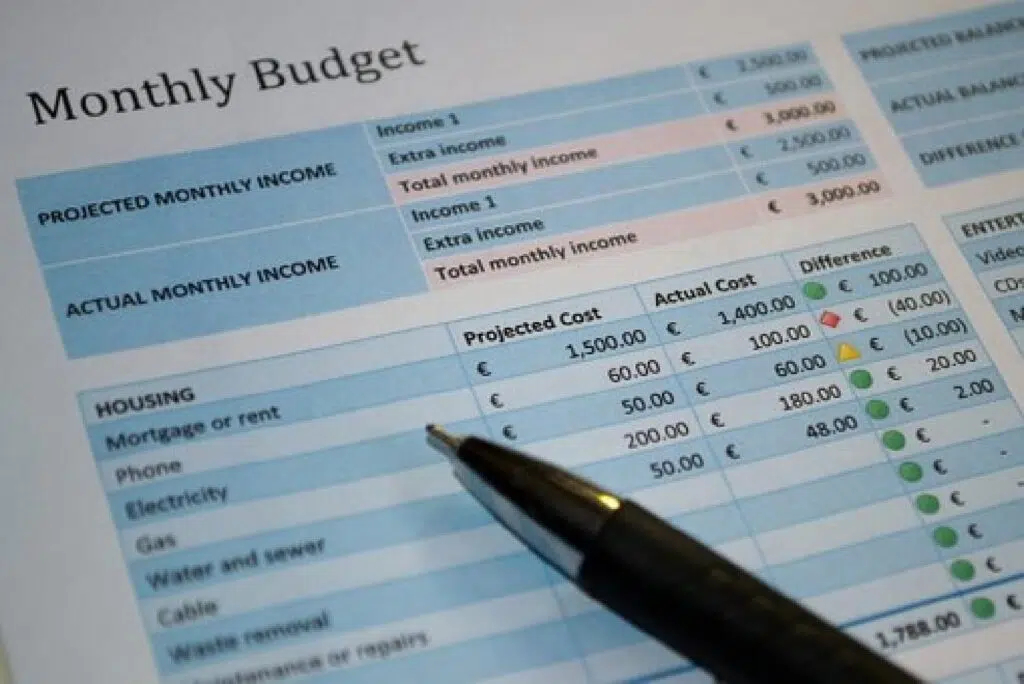
- Set Aside a Budget
If your income fluctuates from month to month or year to year, ensure this isn’t reflected in your plan so that any unexpected expenses are accounted for before they happen instead of after, as with most people who don’t plan.
Regular house maintenance can become costly.
That is why you need to be prepared. By Setting aside money every paycheck (if possible).
Another way would be to have a yearly budget where you allot so much money every month to cover these types of repairs/maintenance.
It’s essential to be prepared for such expenses when they come up and not let them catch you by surprise, which can easily happen otherwise.
You can do this by:
- Creating a household budget
- Making a list of house maintenance tasks
- Determine how much each task will cost
If you have a plan in place, it’s easier to know what to expect. It also ensures you’ll stay within your given budget.
This way, you won’t end up spending more than anticipated and throwing yourself into debt.
- Apply For a Home Renovation Loans
Many different home renovation loans are available, so do your research before applying. Some lenders may specialize in certain projects like roofing, while others offer more flexible terms.
It’s essential to find loans for fixing up your home that fit your budget and needs, as well as one that has low-interest rates. So you don’t end up paying more money in the long run.
If you’re not sure how much money you’ll need to borrow, try estimating the cost of your project using a free online tool like then multiply that number by .06.
This is the amount you should aim to have saved before starting your renovation.
- Have a Home Warranty Plan
A home warranty plan is a great way to protect against unexpected costs.
For as little as $30 per month, you can get coverage for repairs or replacement of appliances and systems that break down due to normal wear and tear, including HVAC units, water heaters, plumbing pipes/fixtures like toilets & sinks (both inside the house out), electrical wiring circuits which are poorly insulated with inadequate ventilation leading them susceptible during hot weather conditions such fire hazards caused by overheating caused from overloading.
It will also cover items purchased within the last five years or less than four million dollars worth in total value when the policy begins.
If your heating unit needs fixing because it’s not working properly anymore, it may cost up to $600 to repair, but you won’t have to worry about the expense if it’s included in your home warranty plan.
Just be sure when you’re looking for a policy, you find one that covers everything you need.
There are different levels of coverage, so ensure to read the fine print before signing up.


- Have an Emergency Fund
It’s always a good idea to have some money saved up for emergencies.
If your roof starts leaking and you don’t have the funds to repair it, you’ll be forced to either pay for the repairs out of pocket or find someone who can do them at a discount.
The same goes for any other unexpected expenses that may come up if you don’t have the money saved up.
You’ll likely end up having to put the expense on your credit card, which will only add more debt to your balance.
Try setting aside a certain amount of money each month (or even each week) into a dedicated savings account specifically for emergencies. This way, you’ll know that you always have some money set aside if the need arises.
Ensure your emergency fund is kept in an interest-bearing account so that it will grow over time.
While you may not predict the future, some things can help make it easier when it comes time for house maintenance.
Whether you’re looking at an upcoming repair or want to prepare in advance, these tips should give you a good place from which to start planning.
If nothing else works out as planned, then remember this: The best way is always through proper preparation.
Never let anything catch you off guard because you already know about potential problems beforehand, so you could take steps to avoid them before they occur.