
Home entertainment has changed dramatically over the past decade. Not long ago, a typical evening might involve watching whatever happened to be on television, playing a DVD, or sharing a video game with friends in the same room. Today, people can stream films on demand, explore virtual worlds, listen to music through connected speakers, and turn an ordinary living room into a gaming space with just a few devices.
Technology has made entertainment more flexible, personal, and accessible. People no longer have to plan their evenings around broadcast schedules or visit a cinema every time they want a big-screen experience.
Instead, they can choose what to watch or play, when to enjoy it, and how to share the experience with others.
Streaming Has Put Viewers in Control
One of the biggest changes in home entertainment is the rise of streaming services. Viewers can browse thousands of films, television shows, documentaries, and comedy specials without waiting for a particular programme to air. If someone wants to watch a film after work or catch up on a series over the weekend, the choice is largely theirs.
Streaming has also changed how people discover new content. Recommendation systems suggest programmes based on viewing habits, while social media introduces audiences to films and series they might otherwise overlook. This convenience has made entertainment feel more personal.
However, having so many options can create a new problem: spending half the evening deciding what to watch. Sometimes, setting a simple plan or choosing a film before settling onto the sofa makes for a much more relaxing night.
Gaming Has Become a Social Experience
Video games are now a major part of home entertainment, appealing to children, teenagers, adults, and families. Modern consoles offer everything from fast-paced sports games and racing challenges to expansive adventures that can keep players engaged for hours.
Gaming has also moved beyond playing alone. Online multiplayer features allow friends to compete or cooperate even when they live in different cities or countries. For families, local multiplayer games can provide an easy way to spend time together without everyone looking at a separate screen.
The good news is that enjoying console gaming does not necessarily mean buying the newest system at full retail price. Pre-owned options can make gaming more accessible for people who want to explore different titles without committing to a large initial expense. Anyone comparing consoles can browse a switch console at Own4Less as one possible option when looking for Nintendo Switch hardware.
Choosing the right console depends on more than its price. Consider the types of games you enjoy, whether you want handheld and television play, and whether other members of the household will use it. Checking the console’s condition, included accessories, and return policy is also sensible when buying pre-owned equipment.
Smart Devices Make the Living Room More Versatile
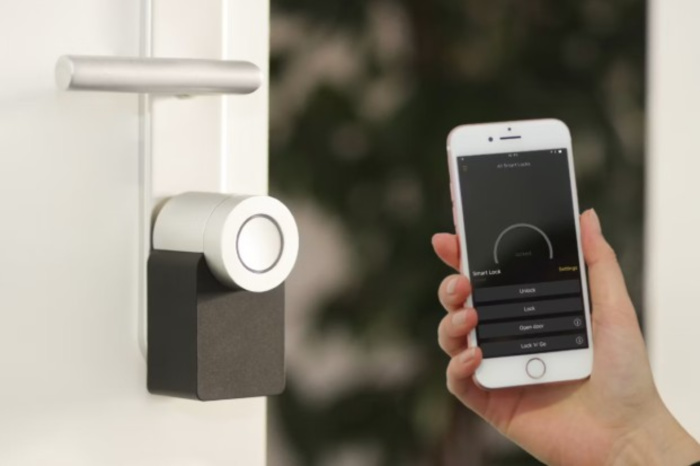
Smart televisions, wireless speakers, streaming sticks, and voice-controlled assistants have made it easier to build a home entertainment setup around individual preferences. A single television can serve as a gateway to films, music videos, live broadcasts, gaming, and online content.
Wireless headphones are another useful addition, particularly in shared homes. Someone can watch a late-night film without disturbing others, while a portable speaker can bring music into the kitchen or garden. These small conveniences can make entertainment fit more naturally into everyday routines.
Still, a room does not need to be packed with expensive equipment to feel enjoyable. A reliable television, comfortable seating, a decent sound system, and a device that supports your favourite activities may be all you need. The best setup is the one people actually use, rather than one filled with features that rarely come into play.
Interactive Entertainment Offers Something Different
Technology has also made entertainment more interactive. Fitness games encourage movement, music apps let users experiment with instruments and rhythms, and creative software makes it possible to produce videos, digital artwork, or simple animations at home.
These activities offer an alternative to passive screen time. Instead of only watching content, people can participate, learn a skill, or work on a project. A family might try a dance game, for example, while friends could compete in a quiz or collaborate on a creative challenge.
Virtual reality adds another dimension by placing users inside digital environments. Although the equipment can be expensive and may require extra space, it demonstrates how entertainment continues to evolve beyond traditional screens.
Balancing Convenience With Quality Time
With entertainment available around the clock, it is easy to spend more time on screens than intended. Notifications, autoplay features, and endless recommendations can turn a short break into several hours of browsing.
A little balance helps. Households can agree on screen-free mealtimes, choose an activity everyone can enjoy, or set aside evenings for board games and conversation. Technology works best when it supports a good experience rather than becoming the entire experience.
It is also worth paying attention to practical details, including parental controls, online privacy, subscription costs, and age ratings for games. These considerations help households enjoy modern entertainment while keeping spending and screen habits under control.
The Future of Home Entertainment
Home entertainment will continue to change as devices become more connected and interactive. Improvements in graphics, streaming quality, artificial intelligence, and immersive technologies will give people new ways to watch, play, and create.
Yet the basic reason people enjoy entertainment at home is unlikely to change. They want to relax after a busy day, laugh with friends, share an activity with family, or become absorbed in a good story. Technology simply offers more ways to make those moments happen.
Ultimately, creating an enjoyable home entertainment space is not about owning every new device. It is about choosing technology that suits your interests, fits your budget, and brings people together. Whether that means streaming a favourite series, playing a multiplayer game, or enjoying a quiet evening with music, the right choices can make time at home more engaging and enjoyable.