
Hair loss affects men and women of all ages at one point or another.
Whether it’s through age, stress, environmental factors, genetics, or otherwise — any person dealing with hair loss may feel uncomfortable or anxious when considering the look of their appearance.
One potential solution some people turn to is hair transplants — but they come at an often-considerable cost.
Are these costly procedures worth it? In this blog post, we explore the question: What is the cost of a hair transplant – and are they really as effective as advertised?
We will also provide helpful tips on what to consider if you’re looking into undergoing a transplant procedure so that you can make well-informed decisions about your health and beauty investments.

Introducing Hair Transplants and their Benefits
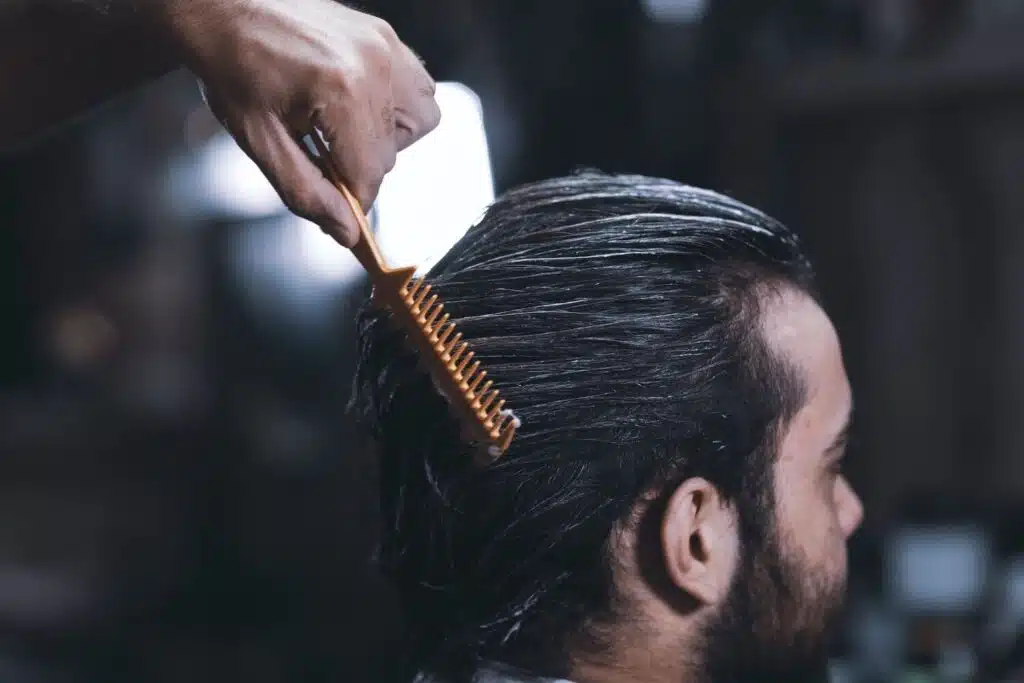
Hair transplants have served as a popular remedy for individuals dealing with hair loss. They have become increasingly accessible, reliable, and successful in restoring lost or thinning hair.
The procedure generally involves removing healthy hairs from the back of the head and re-implanting them into balding or sparse areas.
While it is certainly an investment, the long-term results can be incredibly rewarding – both physically and psychologically.
Hair transplant procedures are now becoming safer than ever before, utilizing innovative technologies to ensure natural-looking results and minimize any potential side effects.
Also, the fue vs fut hair transplant techniques are the two primary techniques people are using today to restore lost hair. It is important to understand the differences between these two, as they each have their own benefits and drawbacks.
Examining the Costs of Hair Transplant Procedures
In this age of technologies and treatments, where medical advancements are offering solutions to a variety of physical issues, the question of how to address hair loss is increasingly important.
One option is hair transplantation — which offers natural-looking results but can come with a hefty price tag.
Hair transplant procedures vary in type and cost depending on many factors such as the extent of surgery required, the number of grafts needed, and individual surgeons’ rates.
Before undertaking a hair transplant it’s important to do your research and get an estimate from your specialist since costs can easily accumulate if extra procedures or products are needed.
It’s also worth considering whether long-term financial commitment is worth the benefits that you could receive from a hair transplant — even if the total cost may be expensive at the time — since it could potentially last for years afterward.
Understanding Different Types of Hair Transplants
When considering a hair transplant, it can be confusing to understand which procedure is right for you.
Follicular Unit Extraction (FUE) and Follicular Unit Transplantation (FUT) are the two most common types currently available.
FUE removes individual hair grafts from the back of the head and transplants them into thinning or bald spots, while FUT involves taking a strip of scalp with hair from the back of the head and relocating it to bald patches; sutures will be necessary afterward.
Ultimately, your choice should depend on your own factors such as health, desired results, time to recovery, and cost.
Consulting with an expert can help you find which type is right for you.
Exploring Possible Side Effects of Hair Transplants
Hair transplants are a popular option for those looking to create a fuller, thicker head of hair.
But, before considering the potentially life-altering procedure, it’s important to know that there can be side effects.
Commonly experienced side effects can include inflammation and bleeding of the scalp during and after the procedure, as well as temporary swellings on the forehead or around the eyes.
While these symptoms should subside shortly after the treatment is complete, it’s essential to talk to your doctor about any pre-existing medical conditions you may have that could make the procedure more complicated or cause reactions to certain medications.
Additionally, results from hair transplants vary from person to person; however, learning about potential side effects can help you achieve realistic expectations for your new look.


Examining Alternatives to Hair Transplants
For individuals considering a hair transplant, exploring alternatives to the procedure is always wise.
Non-surgical solutions such as scalp micro pigmentation and camouflage styling can work wonders for thinning hair, helping individuals regain their confidence.
Platelet-rich plasma (PRP) treatments are also gaining popularity, with some practitioners claiming that the technique delivers results rivaling traditional hair transplants.
Other options to consider include laser therapy and ECM gro treatments, which direct controlled heat onto the scalp and regrow follicles. Even topical solutions like Miconazole Nitrate claim to penetrate one’s skin and encourage healthy hair growth without lasting adverse effects.
Whatever solution fits best into one’s lifestyle and budget, it pays to do your research before investing in any type of hair rejuvenation treatment!
With the considerations and facts we have discussed in this article, it is clear that hair transplants are still expensive and the procedure can be risky with potential side effects.
While the potential results of a hair transplant can be radical, there are alternatives to hair transplants such as minoxidil and finasteride, which may help to lessen or even hold off the need for a hair transplant.
Ultimately, everything comes down to personal preference; whether or not a person feels that a hair transplant is worth it comes down to their budget, self-confidence level, willingness to take risks, and overall goals for their appearance.
Thinking about all these factors can help anyone decide if they want a hair transplant and if it is worth it for them.