
Making shelter at a remote location can be crucial to your survival. In some cases, it could be life-saving.
The good news is that it’s easier than you think.
With a few essential tools and some knowledge of how to use them, you can quickly construct a shelter that will keep you warm and dry.
Here are the steps you need to take.

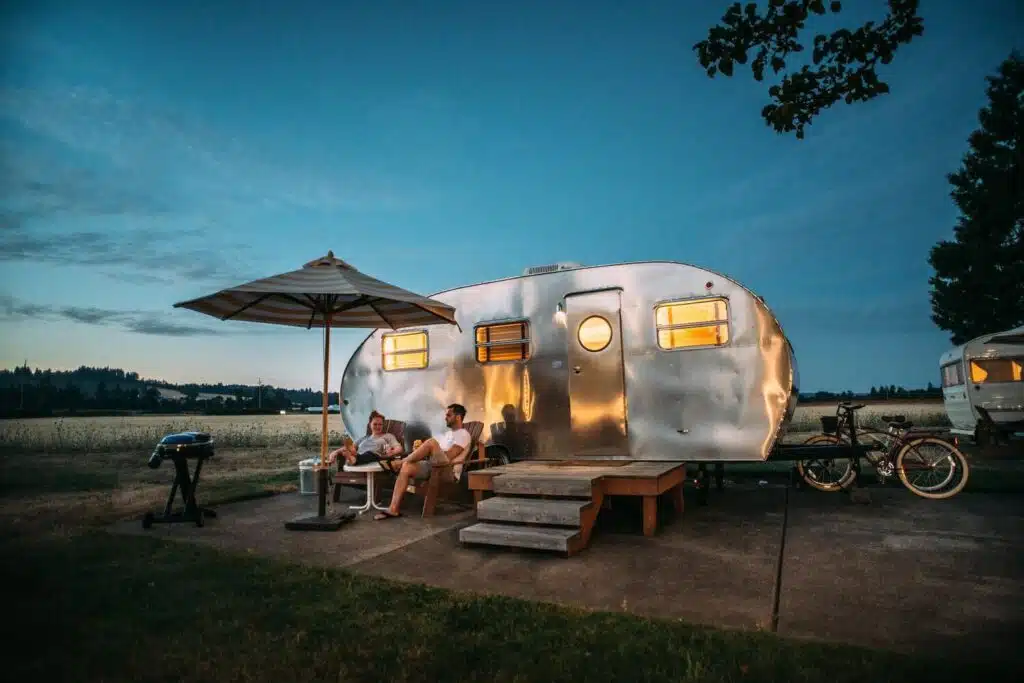
Choose the Right Spot
Before making any decisions, take the time to research your location.
Look for any potential hazards or dangers, such as cliffs, high winds, flash flooding, and other dangerous elements that could damage your shelter.
Also, be aware of any local laws limiting where you can set up your structure. This helps ensure compliance with local regulations and keeps you safe.
When selecting a spot for your shelter, look for an area sheltered from the wind and sun. Avoid low-lying areas where water may collect during rainstorms.
Also, look for flat, dry ground to build on so you can sleep comfortably.
The best way to choose a spot is to look for areas that provide some natural shelter, like a thicket of trees or a rocky outcropping.
Avoid building near dead or rotting trees that may be hazardous in solid winds.
At the same time, consider the type of shelter you plan to build. If you plan on making a tarp or tent-style shelter, look for an area with enough trees and other sturdy items to be used as support points.
Consider Quonset Hut
If you plan on making a more permanent shelter and have the necessary tools, consider building a Quonset hut.
These prefabricated structures are easy to assemble, provide excellent insulation from the elements, and can be customized with windows and doors.
Quonset huts are also relatively lightweight and portable, so they can be easily moved to a new location if necessary. Also, they are relatively inexpensive and can be found in most hardware stores.
Know that your dealer’s choice matters a lot to the experience you’ll have.
Therefore, look for a Quonset hut kits dealer with a good reputation, so you can be sure that the structure you assemble is of high quality and conformance with safety standards.
When buying these prefabricated structures with quonsetkits.com, focus more on your needs.
When it comes to the dimensions, for instance, consider the amount of space you need to be comfortable, and remember to factor in any furniture. This helps make it easy to know the structure’s pricing accurately.
Gather Supplies
Before beginning construction of your shelter, gather the necessary supplies.
An essential list might include a tarp or sheet of plastic, rope, stakes or poles, a knife, and any other tools you need to construct the shelter.
If you plan on making a tarp shelter, you will need some sturdy items to secure the tarp’s corners, like sticks or stones.
You will need logs or poles for a more permanent structure, such as a lean-to or wigwam. Look for these items before construction to minimize the time and energy spent gathering materials.
Remember to research any local laws that may limit the types of materials you can collect and use.
Focus on the Weather Conditions
When building your shelter, pay close attention to the weather conditions in the area.
If there is a high chance of snow, consider making a sturdier structure that can withstand the weight of snow and wind.
Also, be aware of any flash flooding or other severe weather patterns so you can plan and protect yourself and your shelter.
This helps ensure you remain safe and dry during your stay at the remote location.

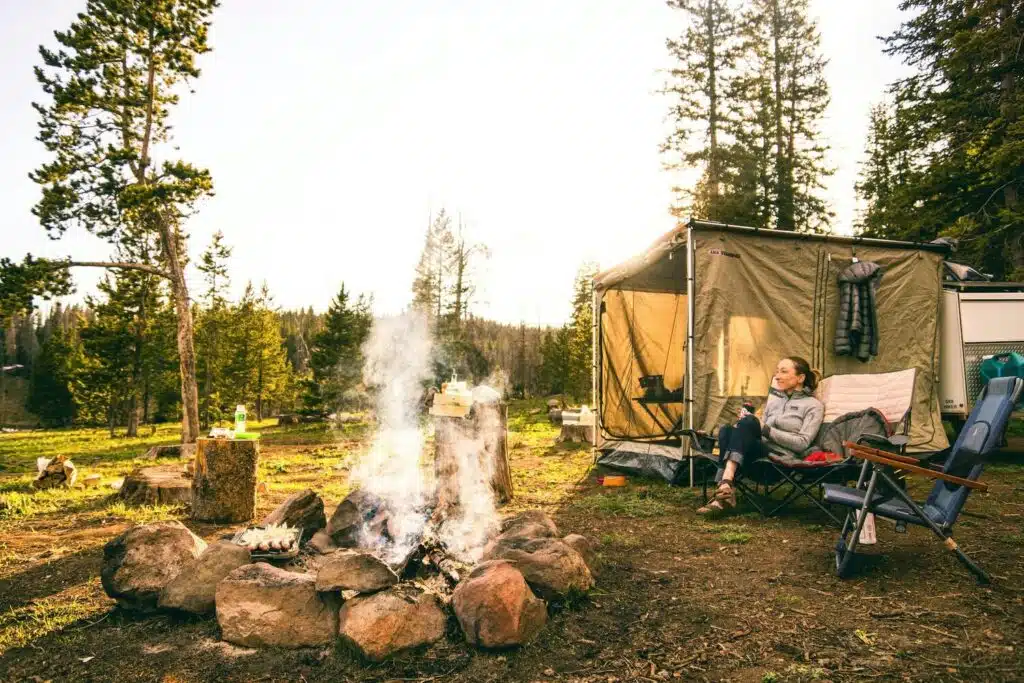
Concentrate on the Weight
Regarding the size and weight of your shelter, remember that you may need to move it at some point. Therefore, plan for a structure that is lightweight and easy to dismantle.
This makes it easier to take down and store in a backpack or other container if necessary.
When it comes to ease of transportation, you want solid and lightweight.
They can be easily disassembled and reconstructed in new locations, making them ideal for those who regularly move their shelter. Remember to consider the durability of the material used.
Look for water-resistant materials, like canvas or plastic, that can withstand any weather conditions.
Creating a shelter in a remote location can be simple and simple.
With some basic materials and knowledge, you can quickly make a comfortable structure that protects from wind, rain, and snow.
Whether you make a tarp shelter or opt for a Quonset hut, remember to consider the weather conditions in your area before beginning construction.
With these tips, you can be sure that you have a safe and dry shelter at your remote location.