
If you’re a trucking company owner or a fleet manager, you know firsthand how important it is to keep track of your vehicles at all times.
With a truck tracking system, you can not only improve the efficiency of your fleet but also reduce costs, improve customer service, and increase safety.

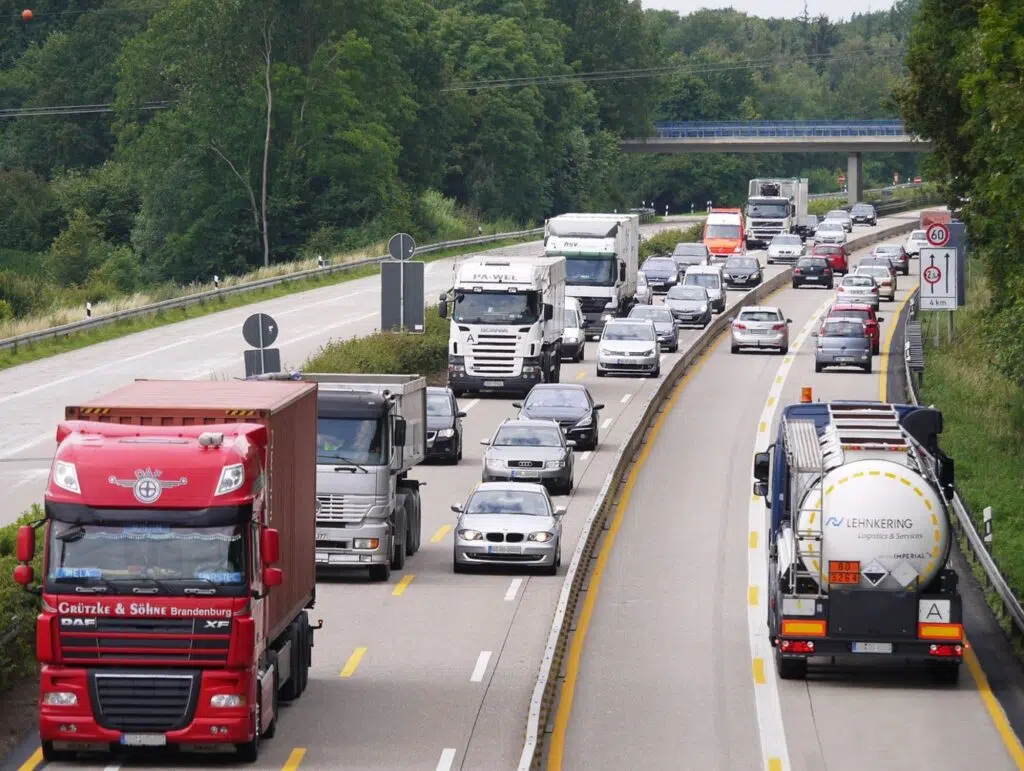
In this guide, we’ll explain what a truck tracking system is, how it works, and the different types available on the market.
We’ll also delve into the benefits of GPS truck tracking systems and share tips on choosing the best one for your business.
So let’s get started!
What is a truck tracking system?
A truck tracking system is a software that uses GPS technology to monitor your vehicle’s location, movements, and activities in real-time.
It can also capture other data points such as speed, fuel consumption, engine performance, and driver behavior.


The system is usually connected to a device installed in the truck, which sends the data to a central server or cloud platform. From there, you can access the information through a web-based dashboard or mobile app.
How does a truck tracking system work?
The basic principle behind a truck tracking system is simple: a GPS device installed in the truck sends its location and other data points to a central server or cloud platform.
The device uses satellite signals to determine its position and transmits the information to the server via a wireless network (such as a cellular or satellite connection).
The server then processes the data and makes it available through a dashboard or app.
Types of truck tracking systems


1. GPS truck tracking systems
These are the most basic and widely used types of a truck tracking system. They rely on satellite signals to determine the truck’s location and provide real-time updates on its movements and activities.
2. Telematics systems
These systems combine GPS tracking with other technologies, such as sensors and wireless communication, to provide more detailed and accurate data. Telematics systems can capture many data points, including fuel consumption, engine performance, and driver behavior.
3. ELD systems
ELD stands for Electronic Logging Device, a telematics system specifically designed to comply with federal regulations on hours of service (HOS). ELD systems automatically track the time a driver spends behind the wheel, their driving hours, rest breaks, and duty status.
Benefits of GPS truck tracking systems


GPS truck tracking systems can bring a range of benefits to your business, including:
1. Improved efficiency
With real-time tracking, you can see where your trucks are at any given moment and optimize their routes to reduce fuel consumption and save time. You can also use the data to identify bottlenecks in your operations and make informed decisions on how to improve them.
2. Reduced costs
By optimizing routes and identifying inefficient driving habits, you can reduce fuel costs and maintenance expenses. You can also use the data to negotiate better rates with customers and suppliers.
3. Improved customer service
With a truck tracking system, you can provide accurate ETAs and keep your customers informed of any delays or issues. You can also use the data to improve the quality of your service and make informed decisions on how to meet your customers’ needs.
4. Increased safety
A truck tracking system can help you monitor your drivers’ behavior and identify any risky habits, such as speeding or reckless driving. You can also use the data to improve the safety of your fleet by identifying and addressing potential hazards on the road.
Factors to consider when buying a truck tracking system
When it comes to choosing the best truck tracking system for your business, there are a few key factors to consider.
Cost
Make sure to compare the costs of different systems and consider the long-term benefits they offer. Some systems may have a higher upfront cost but offer more features and capabilities, which can help you save money in the long run.
Compatibility
Ensure the system is compatible with your current hardware and software. If you have an older fleet, you may need to invest in new GPS devices or other equipment.
Features
Consider the features that are important for your business. Do you need real-time tracking, telematics data, ELD compliance, or other capabilities? Make a list of your needs and look for a system that meets them.
The top three tracking systems you can buy
1. Verizon Connect Fleet
Verizon Connect Fleet is a comprehensive telematics system that provides real-time tracking, fuel monitoring, driver behavior analysis, and other features. It’s suitable for businesses of all sizes and offers a range of pricing plans to suit different needs.
Some key features of Verizon Connect Fleet include:
- Real-time GPS tracking: You can see the location and movements of your vehicles in real-time, as well as get alerts for unusual activity.
- Fuel monitoring: You can monitor fuel consumption, identify inefficient driving habits, and optimize routes to reduce fuel costs.
- Driver behavior analysis: You can get insights into your drivers’ behavior, such as speeding, hard braking, and idling, and use the data to improve safety and efficiency.
2. Geotab GO7
Geotab GO7 is a versatile telematics system that supports many data points and integrations. It’s suitable for small to medium-sized businesses and offers a range of pricing plans to suit different needs.
Some key features of Geotab GO7 include:
- Real-time GPS tracking: You can see the location and movements of your vehicles in real-time, as well as get alerts for unusual activity.
- Customizable dashboards: You can customize your dashboard to suit your specific needs and get a clear overview of your operations.
- Advanced telematics data: You can capture a wide range of telematics data, such as fuel consumption, engine performance, and driver behavior, to get a deeper understanding of your operations.
3. Omnitracs XRS
Omnitracs XRS is a powerful telematics system that provides real-time tracking, ELD compliance, fuel monitoring, and other features. It’s suitable for large fleets and offers a range of customization options to suit different needs.
- Real-time GPS tracking: You can see the location and movements of your vehicles in real-time, as well as get alerts for unusual activity.
- ELD compliance: Omnitracs XRS is fully compliant with federal ELD regulations, which means you can easily track and monitor your drivers’ service hours and duty status.
- Fuel monitoring: You can monitor fuel consumption, identify inefficient driving habits, and optimize routes to reduce fuel costs.
Conclusion
A truck tracking system is a powerful tool for improving your fleet’s efficiency, safety, and customer service.
Using GPS technology and other data-driven features, you can reduce costs, optimize routes, and make informed decisions that drive your business forward.
Whether a trucking company owner or a fleet manager, a truck tracking system can help you stay on top of your operations and ahead of the competition.