
Water damage is one of the most destructive issues a homeowner can face.
Whether it’s caused by a burst pipe, appliance failure, or flooding, water can spread rapidly through a property and cause serious damage in a very short time. For homeowners across the United States, acting quickly after a flood or leak is not just recommended—it’s essential.
Fast water removal plays a key role in limiting damage, protecting structural integrity, and preventing long-term problems like mold growth.

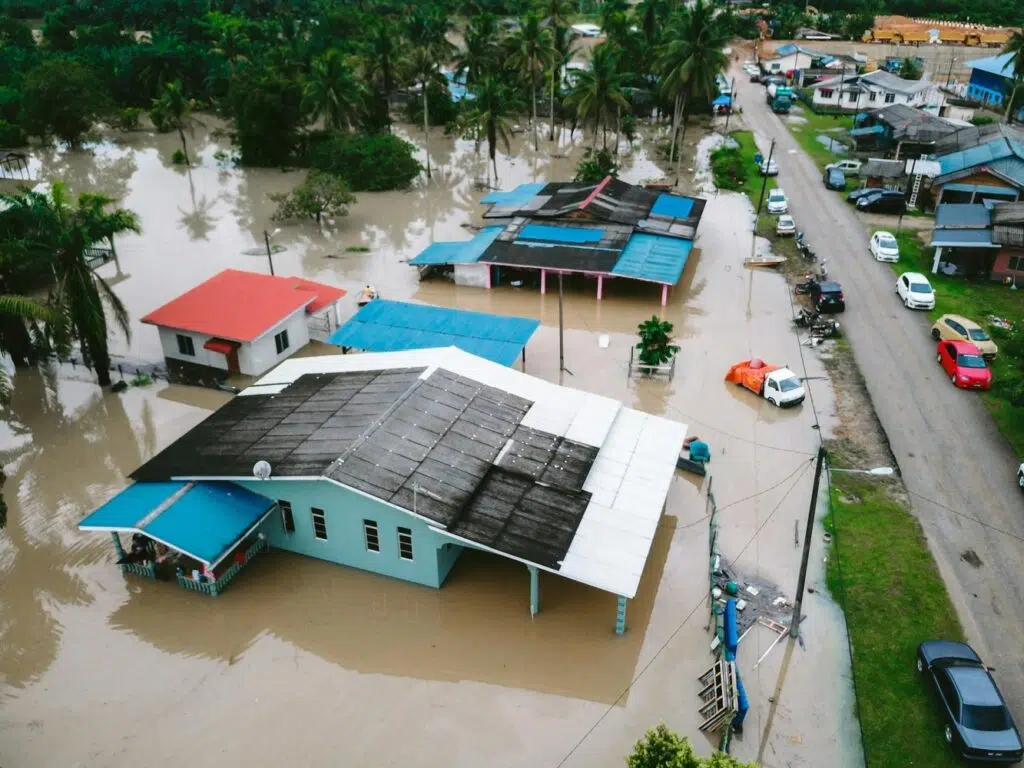
Understanding why speed matters can help homeowners make better decisions during an emergency.
How Quickly Water Damage Spreads
Water doesn’t stay in one place. Once it enters a home, it begins to move through floors, walls, ceilings, and insulation almost immediately. Within minutes, it can soak carpets, furniture, and personal belongings.
In just a few hours, water starts to:
- Penetrate drywall and weaken its structure
- Warp wood flooring and cabinetry
- Damage electrical systems
- Spread into hidden areas behind walls
If left untreated, the situation can escalate quickly, turning a minor issue into a major restoration project.
The First 24–48 Hours Are Critical
The first one to two days after water damage occurs are the most important. During this time, moisture continues to spread and materials absorb water at a deeper level.
Within this timeframe:
- Drywall begins to break down
- Wood materials swell and warp
- Odors start to develop
- Mold growth can begin
Fast water removal during this window can significantly reduce the extent of the damage and prevent costly repairs.
Preventing Structural Damage
One of the biggest risks of delayed water removal is structural damage. Water weakens building materials over time, affecting the stability of floors, walls, and ceilings.
For example, prolonged exposure to moisture can cause:
- Sagging ceilings
- Cracked or crumbling drywall
- Rotting wooden structures
- Compromised foundations
By removing water quickly, homeowners can protect the structural integrity of their property and avoid extensive reconstruction.
Reducing the Risk of Mold Growth
Mold is one of the most serious consequences of water damage. It thrives in damp, humid environments and can begin growing within 24 to 48 hours after water exposure.
Once mold develops, it can spread rapidly and create health risks such as allergies and respiratory issues. It can also damage materials and require specialized remediation.
Fast water removal and proper drying are essential to stopping mold before it starts.
Protecting Personal Belongings
Water damage doesn’t just affect the structure of a home—it can also destroy valuable personal items.
Furniture, electronics, documents, and sentimental belongings can be permanently damaged if exposed to water for too long.
Quick action can help salvage many of these items. The sooner water is removed and drying begins, the better the chances of saving carpets, upholstery, and other possessions.
Lowering Restoration Costs
Delays in water removal often lead to more extensive damage, which increases repair costs.
What could have been a simple cleanup can turn into a full restoration project involving replacement of walls, flooring, and structural components.
Fast response helps:
- Minimize the area affected by water
- Reduce the need for material replacement
- Shorten the overall restoration timeline
Investing in immediate action can save homeowners significant money in the long run.
The Role of Professional Water Removal
While small spills can be handled with basic tools, most water damage situations require professional help. Standing water and hidden moisture need to be removed using specialized equipment to ensure the property is fully dry.
Professional water removal services use high-powered pumps, industrial vacuums, air movers, and dehumidifiers to extract water and eliminate moisture effectively.
These professionals also monitor moisture levels and ensure that hidden water pockets are addressed, reducing the risk of future problems.
What Homeowners Should Do Immediately
When water damage occurs, taking quick action can make a significant difference. Ensuring safety is the first step, especially if water has reached electrical systems. Turning off the water source, if possible, helps prevent further flooding.
Documenting the damage for insurance purposes is also important. Removing excess water and increasing airflow can help slow the spread of moisture while waiting for professionals to arrive.
However, contacting a restoration company as soon as possible remains one of the most important actions.
Final Thoughts
Water damage can escalate quickly, but fast action can dramatically reduce its impact.
Removing water immediately after a flood or leak helps prevent structural damage, reduce mold growth, protect belongings, and lower overall restoration costs.
For homeowners, understanding the importance of rapid response—and working with experienced professionals when needed—can make all the difference in restoring a property safely and efficiently.