
Business marketing includes building a brand and understanding your audience.


A marketing campaign never gets successful without labeling because labeling enhances the look and appeal of the end product.
Labels are the first thing that grabs the customer’s attention and encourages them to purchase any product.
For the grooming of products, labels are essential to provide important information about the product.
A label is an intrinsic part of any garment industry because it tells you how to care for the garment or any other product. It is a source of communication between the manufacturers and the buyers.
The instruction, brand name, company logo, or message is a great way to bridge the distance between the brand and the buyers.
Nowadays, a new type of label is introduced into the market, and why they are important, and in this segment, we will talk about them at length.
Important of clothing label in apparel industry
There are tons of types of clothing labels available in market including woven labels, cotton labels, and heat-transfer labels. Let’s look at the benefits of labels.
- These labels add an exquisite look

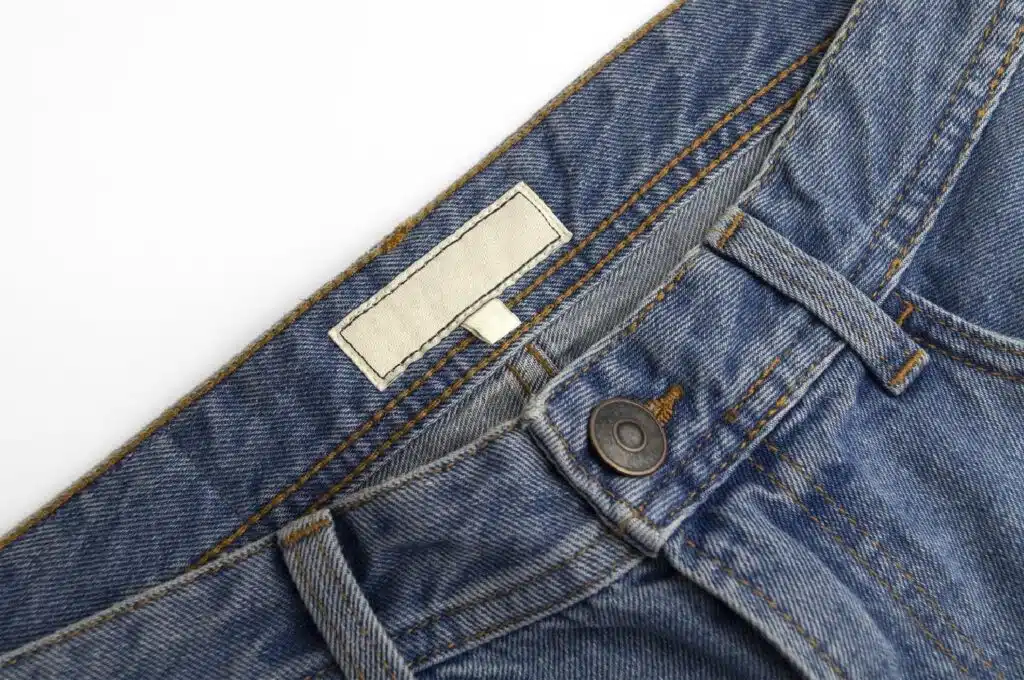
The main element of a label is its photographic quality which escalates the whole look of the product. It provides finesse to the text and overall print of the logo or company name.
The polished and sleeker look will ensure high customer engagement.
- They showcase several colors
Labels are manufactured in multiple sizes and colors to meet the expectation of the customers. The technology of creating heat transfer labels can make them in a variety of colors.
So heat transfer labels have a lot of versatility in colors and sizes.
- Faster printing of the labels
The printing process of Labels only takes seconds to complete the whole full-color image on the fabric. It is a simple process that saves time so businesses can effortlessly deal with the bulk order and do quality work.
- They don’t get faded
Labels are long-lasting, do not fade, and are durable. The text or the colors of the heat transfer labels does not disappear quickly.
The ink of a heat transfer label is quite robust that it transfers directly to the fabric and does not crack or peel off.
- The versatility of labels
Labels go considerably with fabric materials like nylon, cotton, wool, silk, and many more. These labels bring a seamless and clean finish to the garment that is quite eye-catching.


- Labels are Skin-friendly
Labels are created with high-quality ink and colors that ensure that they do not affect the skin.
Many dyes available in the market are skin-friendly, and by utilizing advanced machinery, eco-friendly and skin-friendly colors for heat transfer labels are produced.
- Add a classy and sophisticated look
If you have a clothing or fashion brand and want it to stand out among the masses, then branding and labeling are essential parts that should be kept in mind.
Talking about the heat transfer labels, they are ideal for escalating your brand’s potential and contributing to its overall image. So for attaining a classy and sophisticated look for your products, labels are perfect!
- Labels are Cost-effective
The heat transfer label’s overall cost is relatively less than the traditional brand labels.
With few machines and technology, excellent results can be achieved in heat transfer labels, so who needs giant machines that ask for extra money?
How to apply custom clothing label on apparel?
Choose High-quality labels
It will be best to use top-quality labels because they are easy to apply and durable. You can choose between dryable and washable machine options.
Quality labels allow a lot of customizing features, and you can also add care information.

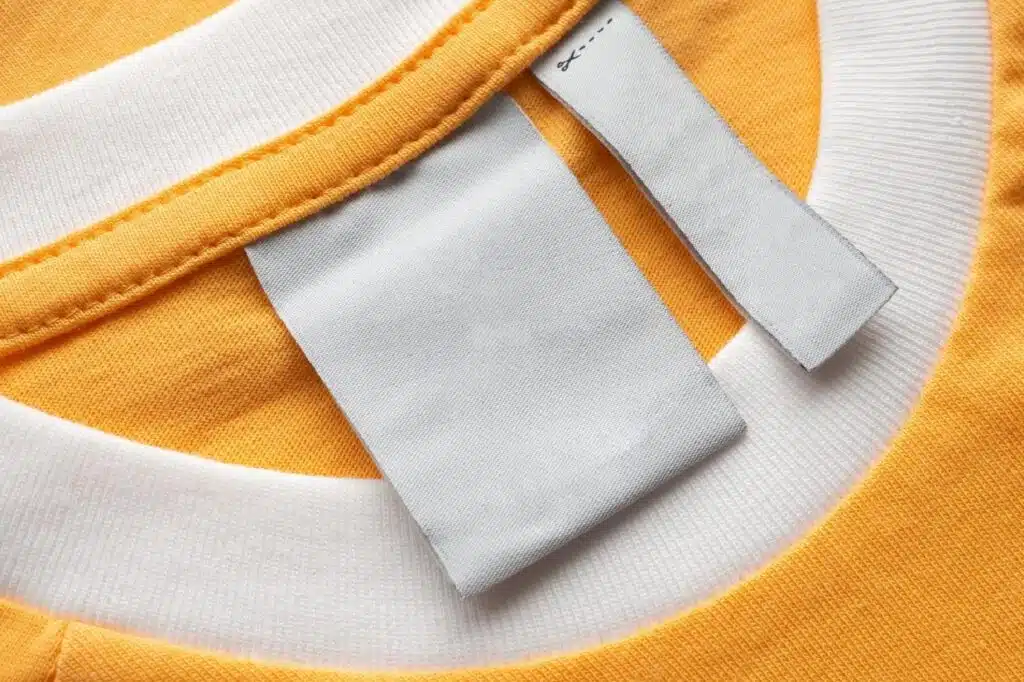
First, try it on a piece of fabric
Iron-on woven labels are effortless to apply, but they are not suitable for all materials or fabrics. To make sure that the label is convenient first iron it on a piece of cloth. Keep in mind to iron on the label from the side.
Choose a suitable location
It is usual for an iron-on label to stiffen even if you apply them correctly, so you should decide beforehand where to place your iron-on woven label on the garment. It will be better if you don’t place the labels near the seam lines.
Use high heat iron
All the iron don’t operate at the same temperature, so it will be best to experiment with the heat of the iron before attaching the label. First, try to put a label on the cotton material. If the label does not stick, increase the temperature until it adheres.
Use baking paper for protection
While attaching the label with an iron-on, an iron board carefully places the apparel and the label and coven them with the baking paper to protect them before ironing.
This will ensure an even transfer of heat and a non-stick and smooth surface upon the label.


Use dry heat
Dry heat is the best way to adhere the label to the desired place with iron-on woven labels. Steam can create issues like moisture, compressing, and shrinking the label.
Move the iron in slow circles
When you start to iron the label, place the iron on the label without moving it for up to twenty seconds. This will ensure that the adhesive is warm enough to stick to the labels. Move the iron in slow circles along the sides of the label and apply slight pressure.
Allow it to cool
Allow the label to cool for two minutes after ironing for the glue to set.
Test the edges of the label
After attaching the label, remove the baking paper and check the edges if they are correctly connected. If not, iron it again.
Wait for a day before washing
Iron-on labels allow you to machine wash them even in hot or cold water. It will be best to wait for 24 hours before washing them to ensure that the label is completely set.