
Water is one of the most important things in our lives. So when you have access to clean water, it’s easy to take that for granted.
That means that if your tap water isn’t safe or has any kind of contamination in it, you’re putting yourself at risk all the time!
It doesn’t matter how much money you have or how hard you work – if your tap water is unsafe, then every drink and every meal are unhealthy.
This article will teach you about what steps to take so that your tap water is free from toxins and contaminants so that this problem never becomes an issue for people who don’t know these helpful tips.

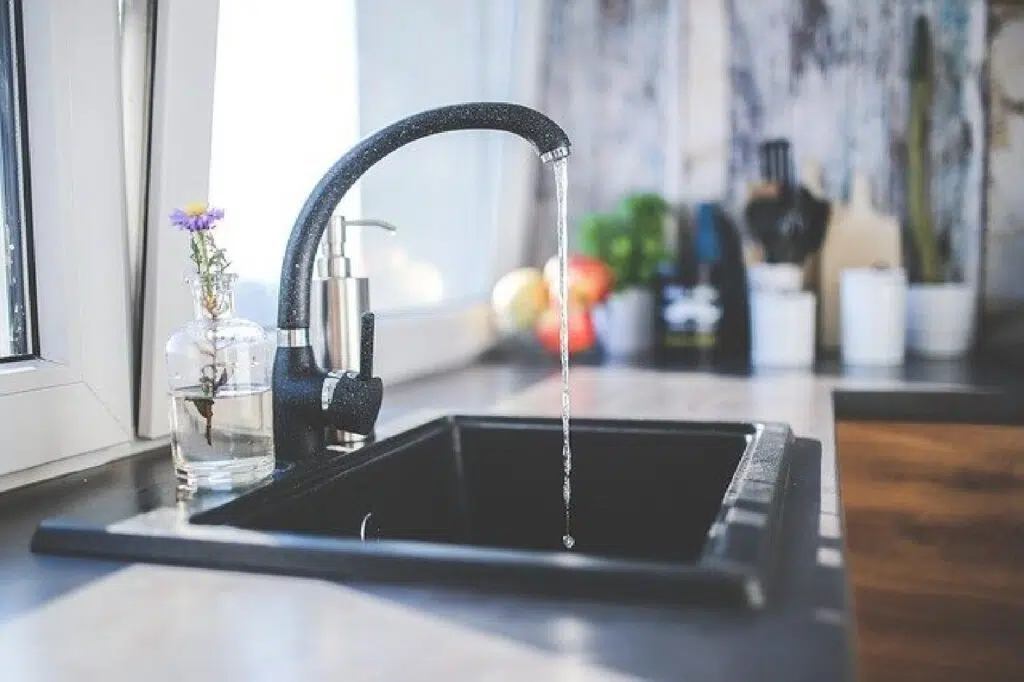
The dangers of drinking contaminated water
Many urban areas have a poor quality of water, like Philadelphia as the city’s water system has been plagued by lead contamination for decades.
It is not the only American city with this problem either, as it continues to be a concern nationwide.
There are many ways to reduce exposure to contaminants in drinking water, but one way is better than the rest: filtering your tap water at home.
Filtering your tap is more cost-effective than buying bottled or filtered water from stores because you don’t need to lug it around, buy new containers every time they’re empty, or throw away plastic bottles that will never degrade organically without human intervention.
You can also save on gas money by not driving all over town looking for someplace that carries the water you like best.
How to check your tap water for contamination
It is important to understand some of the dangers of contaminated tap water.
Some toxins in drinking water, like arsenic and lead, are dangerous even in small doses over time. Other contaminants can cause illness or death if enough is consumed quickly.
There are more than 450 known drinking water contaminants that could be lurking in your water right now!.
The EPA has set maximum contaminant levels for different chemicals that can exist in safe amounts, but many experts believe these numbers are too high or inaccurate due to poor testing.
They also don’t test for hundreds of chemicals that may pose a risk but haven’t been identified yet. Drinking tap water with even lower levels of these unlisted chemicals puts you at significantly higher health risks.
The most effective and cheapest way to make sure your drinking water is safe is with a home filtration system.
There are many different filters you can choose from, but it’s also important to make sure the filters themselves don’t contain harmful chemicals that can leach into your water.
If you’re not satisfied with the taste of filtered tap water, then buy some reusable bottles and add ice cubes or fruit slices for flavor during this transitional period.
Ensuring you have clean drinking water in your home doesn’t need to cost thousands of dollars or take up huge amounts of time – just follow these simple steps and be on your way to being healthier!

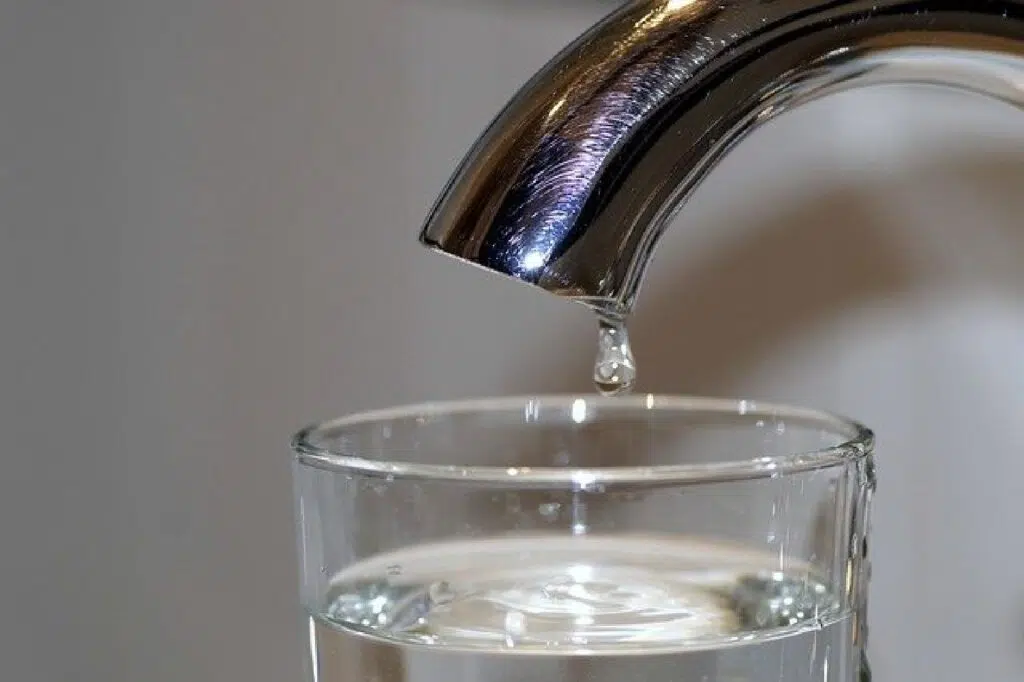
What to do if your water is contaminated?
If you think your tap water is contaminated, then contact local authorities and choose a filter that will remove the chemicals or contaminants that are in your water.
For example, if the results show that there’s more lead in the water then one way to remove this is by choosing a filtered system with a lead-reduction cartridge. It might be smart to take extra precautionary measures such as buying bottled water.
Some chemicals can only cause nausea and diarrhea but are not good for your overall health if you are exposed to them for a longer period.
Unfortunately, there are others like arsenic which can lead to multiple health problems like cancer.
So, make sure you check if your water is contaminated and if it is then find a solution for this problem.
While the EPA does regulate some contaminants in drinking water, there are still others that go unregulated or unmonitored.
To protect yourself against these chemicals (and any other possible toxins), buy a good filter for your home! Filtered tap water can be expensive at stores like Walmart or Target, though, so it’s best to just install a filtration system on your own.
There are many ways to do this: Reverse osmosis systems have three parts – an ion exchange unit, a reverse osmosis membrane, and a storage tank.
This system is great for those who have more time to dedicate to or big families that use a lot of water.
Carbon filters are also widely used by large households but need to be changed out every few months, whereas a reverse osmosis filter can last up to a year before needing a replacement.