
The rise of cryptocurrencies such as Litecoin has opened up new possibilities for cross-border transactions, offering faster, more affordable, and more secure alternatives to traditional payment methods.
In this article, we will explore the potential of Litecoin for cross-border payments, examining its key features, real-world applications, and potential challenges and risks.
Before diving deep, try a Trading site which offers automated trading of various crypto including Bitcoin, Binance, Dash and more.
How Litecoin Can Improve Cross-Border Payments
One key feature of Litecoin that makes it attractive for cross-border payments is its fast transaction speed.
Litecoin transactions are processed and confirmed within minutes, compared to traditional cross-border payment methods that can take several days or even weeks.
Another important feature of Litecoin is its low transaction fees.
Traditional cross-border payment methods often charge high fees for currency exchange and international transfers, which can significantly eat into the amount being sent or received. In contrast, Litecoin transaction fees are much lower, making it a cost-effective option for cross-border payments.

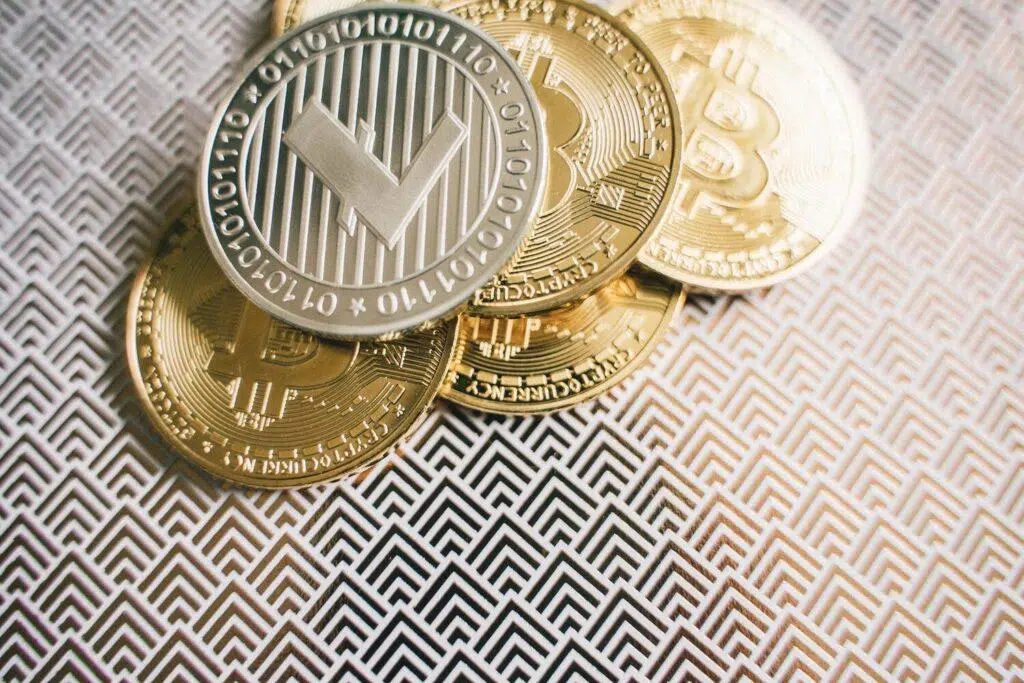
Litecoin’s decentralized nature also makes it attractive for cross-border payments. Unlike traditional payment systems that rely on centralized intermediaries such as banks and financial institutions, Litecoin transactions are verified and recorded on a decentralized blockchain.
This eliminates the need for intermediaries, reduces the risk of fraud and errors, and makes cross-border payments more transparent and secure.
Compared to other cryptocurrencies, Litecoin’s high transaction speed, low fees, and widespread adoption make it an attractive option for cross-border payments.
While Bitcoin remains the most well-known and widely used cryptocurrency, its slower transaction speed and higher fees make it less ideal for cross-border payments.
Real-World Applications of Litecoin in Cross-Border Payments
Litecoin’s potential for cross-border payments has already been recognized by several companies and organizations, with real-world applications emerging in various industries.
One example is the gaming industry, where Litecoin is increasingly being used as a payment method for in-game purchases and transactions.
Online gaming platforms such as Steam and G2A have started accepting Litecoin as a payment option, making it easier for players around the world to make cross-border payments without the need for currency exchange or high transaction fees.
Another real-world application of Litecoin in cross-border payments is in the remittance industry.
Companies such as Abra and Bitwala have launched services that allow users to send and receive money across borders using Litecoin, bypassing traditional payment systems and their associated fees and restrictions.
Litecoin is also being used by businesses to facilitate cross-border trade and commerce.
For example, the Australian-based digital asset exchange, BTC Markets, has partnered with Litecoin to enable its users to trade Litecoin and other cryptocurrencies for Australian dollars, making cross-border payments easier and more affordable for both buyers and sellers.
Furthermore, Litecoin’s fast transaction speed and low fees have made it an attractive option for charities and nonprofits that rely on cross-border donations.
For instance, the Litecoin Foundation, a non-profit organization that promotes the adoption and use of Litecoin, has launched several donation campaigns that use Litecoin for cross-border transactions, allowing donors to support charitable causes without incurring high transaction fees.
Potential Challenges and Risks of Litecoin for Cross-Border Payments
One major concern is the security of the Litecoin network. Like other cryptocurrencies, Litecoin is vulnerable to cyber attacks and hacking attempts, which could compromise the integrity of the network and the security of cross-border transactions.
As such, it is important for users to take appropriate security measures, such as using strong passwords and two-factor authentication, to protect their Litecoin wallets and transactions.
Another challenge is the regulatory landscape surrounding cryptocurrencies and cross-border payments.
Many countries have yet to establish clear regulations or guidelines for the use of cryptocurrencies in cross-border transactions, which could create uncertainty and legal risks for users.
The volatility of cryptocurrency prices is also a potential risk for cross-border payments using Litecoin.
The value of cryptocurrencies such as Litecoin can fluctuate rapidly and unpredictably, which could result in significant gains or losses for users. This volatility could also make it difficult to accurately price goods and services in Litecoin, which could deter businesses and individuals from using it for cross-border transactions.
Finally, the adoption of Litecoin for cross-border payments remains relatively low compared to traditional payment methods.
While the number of businesses and organizations accepting Litecoin continues to grow, it still lags behind more established payment systems such as credit cards and wire transfers.
Conclusion
In conclusion, Litecoin has the potential to greatly improve the efficiency, affordability, and security of cross-border payments, offering fast transaction speed, low fees, and a decentralized network that eliminates the need for intermediaries.
While there are still challenges and risks to be addressed, the real-world applications of Litecoin in various industries and the growing adoption and acceptance of cryptocurrencies bode well for its future as a cross-border payment method.