
Litecoin is a decentralized cryptocurrency that is based on the blockchain technology and offers faster transaction speed and lower transaction fees compared to Bitcoin.
In this article, we will explore the importance of Litecoin in a diversified cryptocurrency portfolio and examine the investment benefits, risks, and strategies associated with it.
If you are planning to invest in Bitcoin, you must have a reliable Trading App.
Investment Benefits of Litecoin
Litecoin offers several benefits for investors who are looking to diversify their cryptocurrency portfolios. One of the key benefits of Litecoin is diversification.
By adding Litecoin to your portfolio, you can reduce the overall risk and volatility of your investment portfolio.
This is because Litecoin is not correlated with traditional assets like stocks and bonds, which means that its price movements are not influenced by the same factors that affect other asset classes.
Another benefit of investing in Litecoin is its lower volatility and risk compared to other cryptocurrencies like Bitcoin. While Bitcoin has experienced significant price fluctuations, Litecoin has maintained a relatively stable price trend over the years.

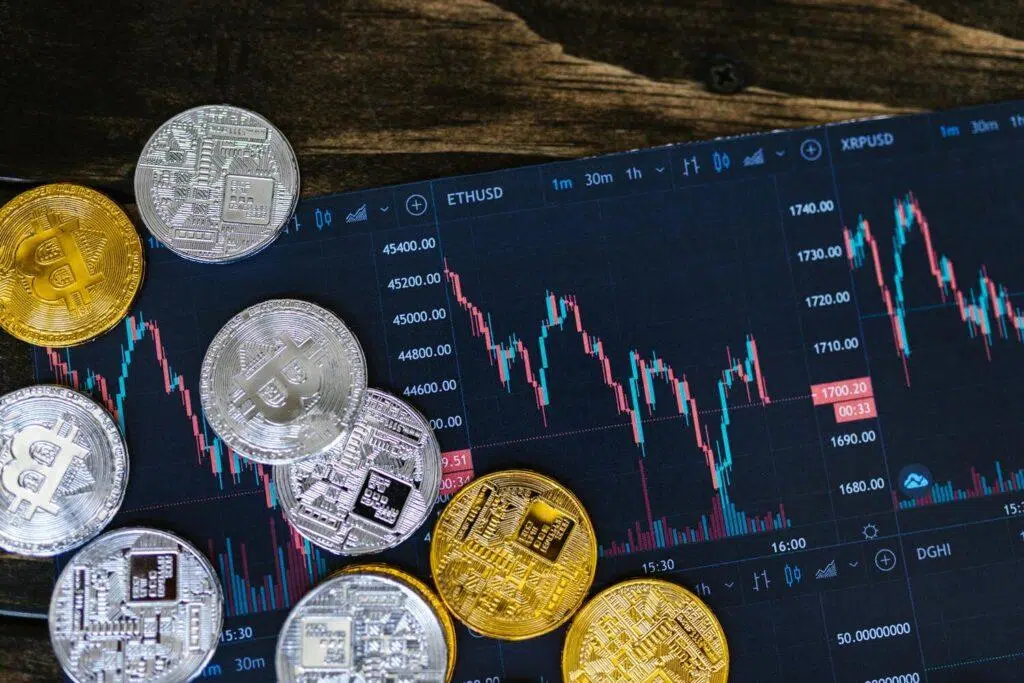
This is because Litecoin has a smaller market capitalization and a more predictable supply limit than Bitcoin, which makes it less susceptible to price manipulations and market fluctuations.
In addition to lower volatility, Litecoin offers potential for higher returns. As more people recognize the value of Litecoin and its usefulness in real-world transactions, its demand and price are likely to increase.
Finally, Litecoin offers practical advantages for investors who use cryptocurrencies for day-to-day transactions. Its faster transaction speed and lower transaction fees make it a more efficient means of payment compared to Bitcoin and other cryptocurrencies.
This means that Litecoin can be used for a wider range of transactions, including microtransactions and cross-border payments
Challenges and Risks of Litecoin Investment
Investing in Litecoin, like any other cryptocurrency, comes with its own set of challenges and risks. One of the primary challenges facing Litecoin is the regulatory environment.
Governments around the world are still grappling with how to regulate cryptocurrencies, and as a result, the regulatory framework is constantly evolving.
This uncertainty can lead to increased volatility and unpredictability in the cryptocurrency market, which can impact the value of Litecoin and other cryptocurrencies.
Another challenge facing Litecoin is market volatility.
While Litecoin has maintained a relatively stable price trend compared to other cryptocurrencies, it is still subject to price fluctuations and market manipulation. This volatility can be exacerbated by market speculation, news events, and the overall sentiment towards the cryptocurrency market.
Competition from other cryptocurrencies is also a risk to Litecoin investment.
While Litecoin was one of the first cryptocurrencies to be developed after Bitcoin, it is now facing competition from a growing number of cryptocurrencies with similar or improved features.
Technical limitations and security concerns are also risks associated with Litecoin investment. While the blockchain technology underlying Litecoin is considered secure, there have been instances of cryptocurrency exchanges being hacked and funds being stolen.
Investors need to take necessary precautions to protect their investments and ensure that they are storing their Litecoin in secure wallets.
Strategies for Investing in Litecoin
Investing in Litecoin can be a smart way to diversify your portfolio, but it’s important to have a solid strategy in place. Here are some strategies to consider when investing in Litecoin:
First, investors should consider their investment objectives and risk tolerance. Are you investing for the long-term or the short-term? How much risk are you willing to take? The answers to these questions will help guide your investment strategy.
One strategy for investing in Litecoin is to allocate a portion of your portfolio to Litecoin and other cryptocurrencies. This can help diversify your portfolio and reduce overall risk.
However, it’s important to keep in mind that cryptocurrency investments are still considered high-risk, so it’s recommended to limit the percentage of your portfolio allocated to cryptocurrencies.
Another strategy is dollar-cost averaging. This involves investing a fixed amount of money at regular intervals, regardless of the current price of Litecoin. This can help mitigate the risk of market volatility and enable you to accumulate Litecoin over time at an average price.
Long-term holding is also a strategy to consider. If you believe in the long-term potential of Litecoin, holding onto your investment for an extended period of time can be a smart move.
This can help you ride out short-term fluctuations in price and potentially benefit from long-term growth.
Conclusion
In conclusion, Litecoin offers several benefits for investors seeking diversification and high returns in the cryptocurrency market.
By adding Litecoin to a diversified portfolio, investors can reduce overall risk and volatility while potentially benefiting from long-term growth.
However, investing in Litecoin also involves challenges and risks, including regulatory uncertainty, market volatility, competition from other cryptocurrencies, and technical limitations and security concerns.