
Adventure travel is no longer limited to young backpackers or thrill-seekers.
Many families are choosing active vacations that bring together grandparents, parents, and children through shared experiences.
Multigenerational adventure travel offers opportunities to explore new destinations, strengthen family connections, and create meaningful memories that span age groups.

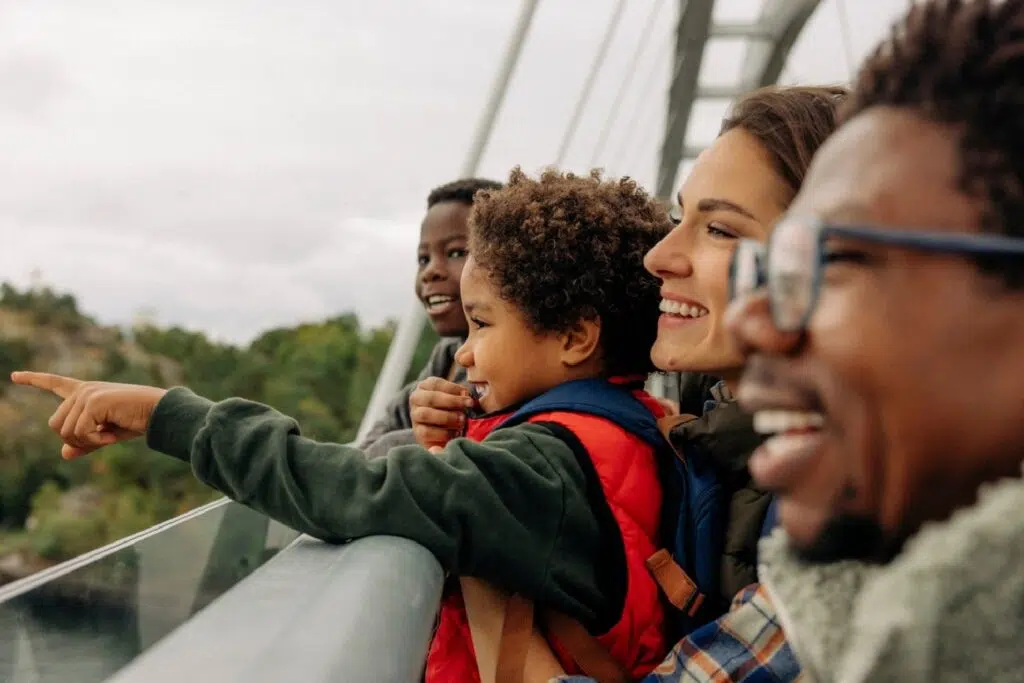
With thoughtful planning, these trips can balance excitement, comfort, and accessibility for everyone involved.
Why Multigenerational Adventure Travel Is Growing
Families often face busy schedules that limit quality time together. Adventure travel provides a chance to step away from daily routines and focus on shared experiences. Activities such as wildlife viewing, hiking, kayaking, cultural tours, and guided nature excursions encourage interaction across generations.
Unlike traditional vacations that center on relaxation alone, adventure-focused trips create opportunities for learning and discovery.
Children gain exposure to new environments, while older family members can share knowledge, stories, and life experiences that add depth to the journey.
Choosing the Right Destination
The most successful multigenerational trips start with selecting a destination that offers a variety of activities and flexibility.
National parks, coastal regions, wildlife reserves, and eco-tourism destinations often provide experiences suitable for different fitness levels.
Destinations that offer guided excursions can be especially helpful because they allow families to participate safely while learning from local experts. A mix of active and relaxed activities helps accommodate varying interests and energy levels.
Accessibility should also be considered during planning. Transportation, accommodations, walking distances, and climate conditions can affect how comfortable family members feel throughout the trip.
Balancing Adventure and Comfort
Adventure does not have to mean constant physical activity. The goal is to provide engaging experiences while respecting individual abilities.
A well-planned itinerary often includes a combination of exploration and downtime. One family member may enjoy a guided hike, while another prefers wildlife observation from a boat or scenic overlook.
Flexible schedules allow everyone to participate without feeling pressured.
Comfortable accommodations, reliable transportation, and realistic activity pacing contribute significantly to the overall experience.
Families should leave room for rest between excursions, especially when traveling with young children or older adults.
Activities That Appeal Across Generations
Some activities naturally bring different age groups together. Wildlife encounters, cultural experiences, boat excursions, and nature walks often provide broad appeal because they combine education and recreation.
Marine destinations are a popular example.
While some travelers may enjoy snorkeling or Galapagos diving tours, others can participate through guided wildlife viewing, photography, or educational excursions focused on the region’s unique ecosystems.
Planning for Safety and Flexibility
Preparation is an important part of successful adventure travel. Families should review health considerations, travel insurance options, activity requirements, and emergency procedures before departure.
Packing appropriate clothing, medications, and travel documents can help prevent avoidable disruptions. Communication is equally important. Discussing expectations in advance allows family members to choose activities that fit their comfort levels.
Multigenerational adventure travel offers families a unique way to connect through shared experiences and exploration.
The most successful trips focus on participation, connection, and the opportunity to experience something meaningful together. Check out the infographic below for more information.
