
Good oral health begins early in life. Healthy teeth and gums support eating, speaking, and overall well-being.
While many parents focus on brushing alone, children’s oral health depends on a combination of daily habits, nutrition, regular dental care, and early prevention.

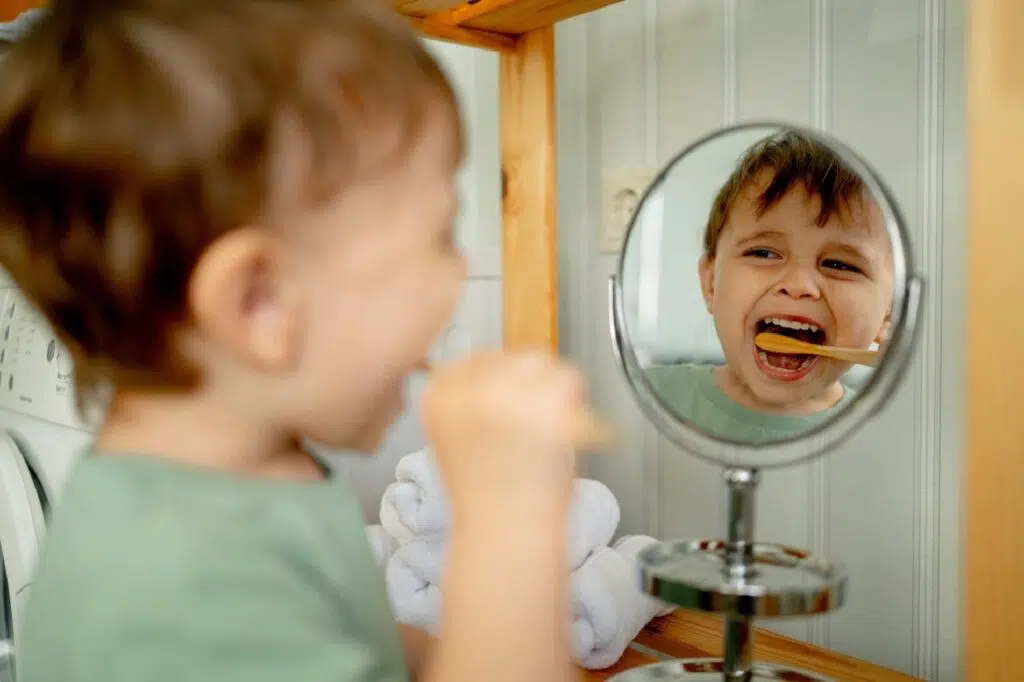
Following a simple checklist can help families build routines that support healthy smiles from childhood through the teenage years.
Start Oral Care Early
Oral care should begin before a child’s first tooth appears. Parents can gently wipe an infant’s gums with a clean, damp cloth after feedings.
Once teeth emerge, brushing should become part of the daily routine.
Young children need assistance with brushing because they often lack the coordination to clean thoroughly. Using a small, soft-bristled toothbrush and an age-appropriate amount of fluoride toothpaste can help remove plaque and food particles effectively.
Consistency is important. Brushing twice a day helps reduce the risk of cavities and gum problems.
Make Flossing a Daily Habit
Many parents focus on brushing but overlook flossing. Teeth that touch each other create spaces where toothbrush bristles cannot reach. Food particles and plaque can accumulate between teeth and contribute to decay.
Children should begin flossing once two teeth touch. Parents may need to help with flossing until children develop the skills to do it correctly on their own.
Establishing this habit early can support better oral health throughout life.
Watch Food and Drink Choices
Diet plays a significant role in dental health. Sugary snacks, candy, soda, sports drinks, and sticky foods can increase the risk of cavities.
Water is often the best beverage choice for oral health. Fresh fruits, vegetables, cheese, yogurt, and other nutrient-rich foods can help support healthy teeth and gums.
Frequent snacking can also affect dental health because it exposes teeth to repeated acid attacks throughout the day. Limiting sugary snacks between meals may help reduce cavity risk.
Schedule Regular Dental Visits
Routine dental checkups allow professionals to identify problems early and monitor oral development.
Most children should visit a dentist regularly according to professional recommendations.
These visits may include cleanings, examinations, fluoride treatments, and discussions about proper oral hygiene. Dentists can also monitor tooth alignment, jaw development, and habits such as thumb sucking that may affect oral health.
Protect Teeth During Activities
Children who participate in sports or recreational activities may face an increased risk of dental injuries.
Mouthguards can help protect teeth, gums, and jaws during contact sports and other activities where falls or impacts are possible.
Parents should also discourage habits such as chewing ice, biting hard objects, or using teeth to open packages, as these behaviors can lead to chipped or damaged teeth.
Children’s oral health is built through daily habits, healthy food choices, preventive care, and regular monitoring. A simple checklist that includes brushing, flossing, dental visits, and injury prevention can help support strong teeth and healthy gums.
Consistent attention to oral health during childhood creates habits that can benefit children well into adulthood.
For more information, feel free to look over the accompanying resource below.
