
Water damage is not always obvious. In many cases, moisture can accumulate behind walls, above ceilings, or beneath flooring long before visible evidence appears.
Recognizing hidden water damage signs early can help homeowners prevent costly repairs, protect indoor air quality, and avoid structural deterioration.

Understanding what to look for is essential for maintaining a safe and healthy property.
Why Hidden Water Damage Is a Serious Problem
Unlike a burst pipe or flooded basement, concealed moisture often develops gradually. Small plumbing leaks, roof problems, HVAC issues, and appliance malfunctions can allow water to infiltrate building materials over time.
When left untreated, hidden moisture can lead to:
- Mold growth
- Wood rot
- Drywall deterioration
- Electrical hazards
- Reduced property value
- Structural instability
Early detection can significantly reduce restoration costs and minimize long-term damage.
Common Causes of Hidden Water Damage
Several issues can contribute to moisture buildup behind walls and ceilings.
Plumbing Leaks
Even a slow drip from a supply line or drain pipe can cause significant damage over time.
Roof Leaks
Damaged shingles, flashing failures, or clogged gutters can allow rainwater to penetrate attic spaces and ceiling cavities.
HVAC Problems
Air conditioning systems may generate excess condensation when drainage components malfunction.
Appliance Failures
Dishwashers, washing machines, refrigerators, and water heaters can develop leaks that go unnoticed for weeks or months.
Poor Ventilation
Bathrooms, kitchens, and laundry rooms with inadequate airflow may experience persistent humidity that contributes to moisture accumulation.
1. Discoloration on Walls or Ceilings
One of the earliest indicators of concealed moisture is staining.
Water stains often appear as:
- Yellowish spots
- Brown rings
- Dark patches
- Uneven discoloration
These marks may gradually expand as additional moisture enters the affected area.
What It Means
Discoloration frequently suggests an active leak above or behind the visible surface.
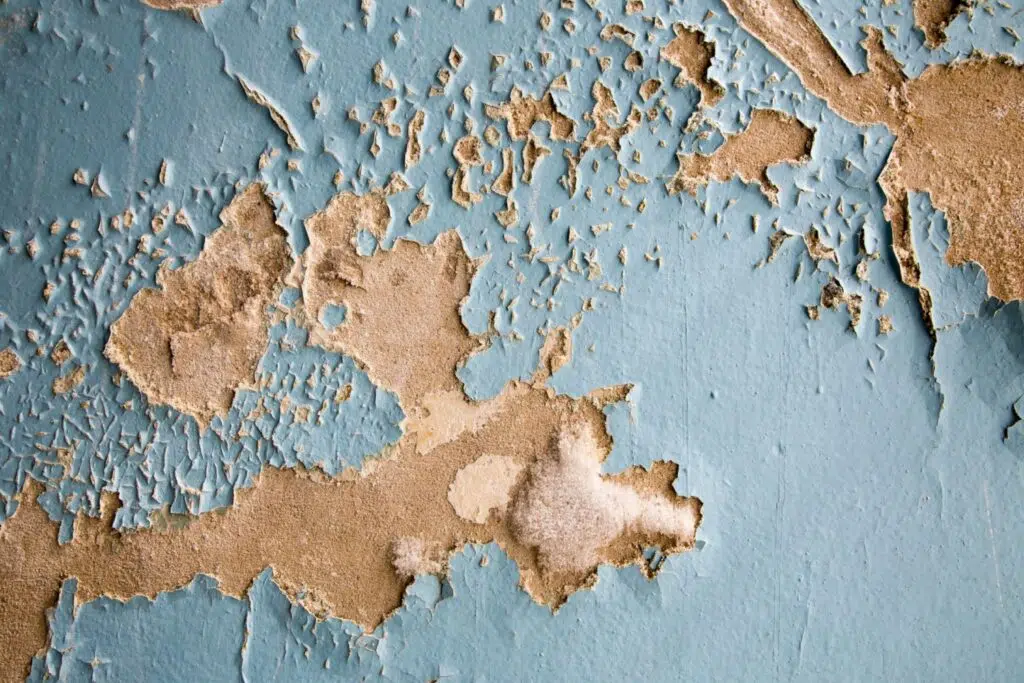
2. Peeling Paint or Bubbling Wallpaper
Excess moisture weakens the bond between paint, wallpaper, and the underlying material.
Signs include:
- Flaking paint
- Blistering surfaces
- Curling wallpaper edges
- Bubbling wall finishes
When moisture becomes trapped behind finished surfaces, these cosmetic issues often develop before more severe damage becomes visible.
3. Musty Odors
A persistent musty smell is frequently associated with hidden moisture.
Why It Happens
Water creates favorable conditions for mold and mildew growth. Even when mold colonies remain out of sight, they can produce noticeable odors throughout the property.
Pay attention to:
- Damp smells near walls
- Odors in closets
- Unpleasant scents in attics
- Mustiness around ceilings
If cleaning does not eliminate the smell, hidden moisture may be present.
4. Warped or Soft Drywall
Drywall absorbs water easily. Once saturated, it can lose structural strength and begin to deform.
Look for:
- Bulging sections
- Sagging ceilings
- Soft spots
- Uneven wall surfaces
Pressing gently on suspicious areas may reveal spongy or weakened materials.
5. Mold Growth in Unexpected Areas
Visible mold often indicates a larger moisture issue nearby.
Common warning signs include:
- Black spots
- Green discoloration
- White fuzzy growth
- Gray staining
Mold frequently appears around baseboards, ceiling corners, window frames, and wall joints where moisture levels remain elevated.
6. Increased Utility Bills
A hidden plumbing leak can waste a surprising amount of water.
Example
A small drip occurring every second can waste thousands of gallons annually.
If water bills suddenly increase without a clear explanation, an undetected leak may be responsible.
7. Cracks in Walls or Ceilings
Moisture can weaken building materials and cause shifting within structural components.
Watch for:
- New drywall cracks
- Ceiling separation
- Expanding joints
- Corner fractures
Although cracks can result from normal settling, sudden changes warrant investigation.
8. Sagging Ceilings
A ceiling that begins to droop should never be ignored.
Potential Causes
| Cause | Risk Level |
| Roof Leak | High |
| Plumbing Failure | High |
| HVAC Condensation | Moderate |
| Attic Moisture Intrusion | High |
Severe saturation can eventually lead to ceiling collapse, creating safety hazards for occupants.
9. Unexplained Allergies or Respiratory Symptoms
Hidden moisture often supports mold growth, which can affect indoor air quality.
Possible symptoms include:
- Sneezing
- Coughing
- Eye irritation
- Congestion
- Headaches
If symptoms worsen indoors and improve elsewhere, hidden moisture may be contributing to the problem.
10. Flooring Changes Near Walls
Water trapped behind walls frequently affects adjacent flooring materials.
Look for:
- Buckling hardwood
- Loose tiles
- Warped laminate
- Damp carpeting
Changes near exterior walls or plumbing fixtures deserve prompt attention.
How Professionals Detect Hidden Water Damage
Restoration specialists use advanced tools to locate moisture that is not visible to the naked eye.
Common Detection Equipment
| Tool | Purpose |
| Moisture Meter | Measures moisture levels within materials |
| Thermal Imaging Camera | Identifies temperature differences caused by moisture |
| Hygrometer | Monitors indoor humidity levels |
| Leak Detection Equipment | Locates concealed plumbing leaks |
These technologies help identify the source without unnecessary demolition.
What to Do If You Suspect Hidden Water Damage
Taking quick action can prevent further deterioration.
Recommended Steps
- Inspect the affected area carefully.
- Look for active leaks or moisture sources.
- Document visible signs with photographs.
- Contact a water damage restoration professional.
- Address the underlying cause immediately.
- Dry affected materials thoroughly.
Prompt intervention reduces repair costs and limits mold growth.
Prevention Tips
Preventive maintenance is the best defense against concealed moisture issues.
Homeowner Checklist
- Inspect roofing annually.
- Clean gutters regularly.
- Monitor water bills for unusual increases.
- Check appliance connections periodically.
- Maintain HVAC systems.
- Use exhaust fans in bathrooms and kitchens.
- Address small leaks immediately.
Consistent maintenance can help identify problems before extensive damage develops.
Key Takeaways
- Water damage often develops behind walls and ceilings without obvious warning.
- Discoloration, odors, peeling paint, and warped materials are common indicators.
- Mold growth and unexplained respiratory symptoms may signal hidden moisture.
- Professional moisture detection tools can locate leaks without extensive demolition.
- Early action helps prevent structural damage and costly restoration projects.
- Regular inspections and maintenance reduce the likelihood of hidden water-related issues.
Final Thoughts
Hidden water damage can quietly compromise a property’s structure, appearance, and indoor environment long before major problems become visible.
By recognizing the warning signs early and addressing moisture issues promptly, homeowners can avoid expensive repairs and protect their investment.
Routine inspections, preventive maintenance, and professional evaluations remain the most effective strategies for keeping concealed water damage under control.