This post contains affiliate links. If you buy through these links, I may earn a small commission at no extra cost to you. Read my full disclosure policy here.
Cycling accidents can happen unexpectedly, even to experienced riders. A slippery road, sudden obstacle, mechanical failure, or collision can cause someone to lose balance within seconds.
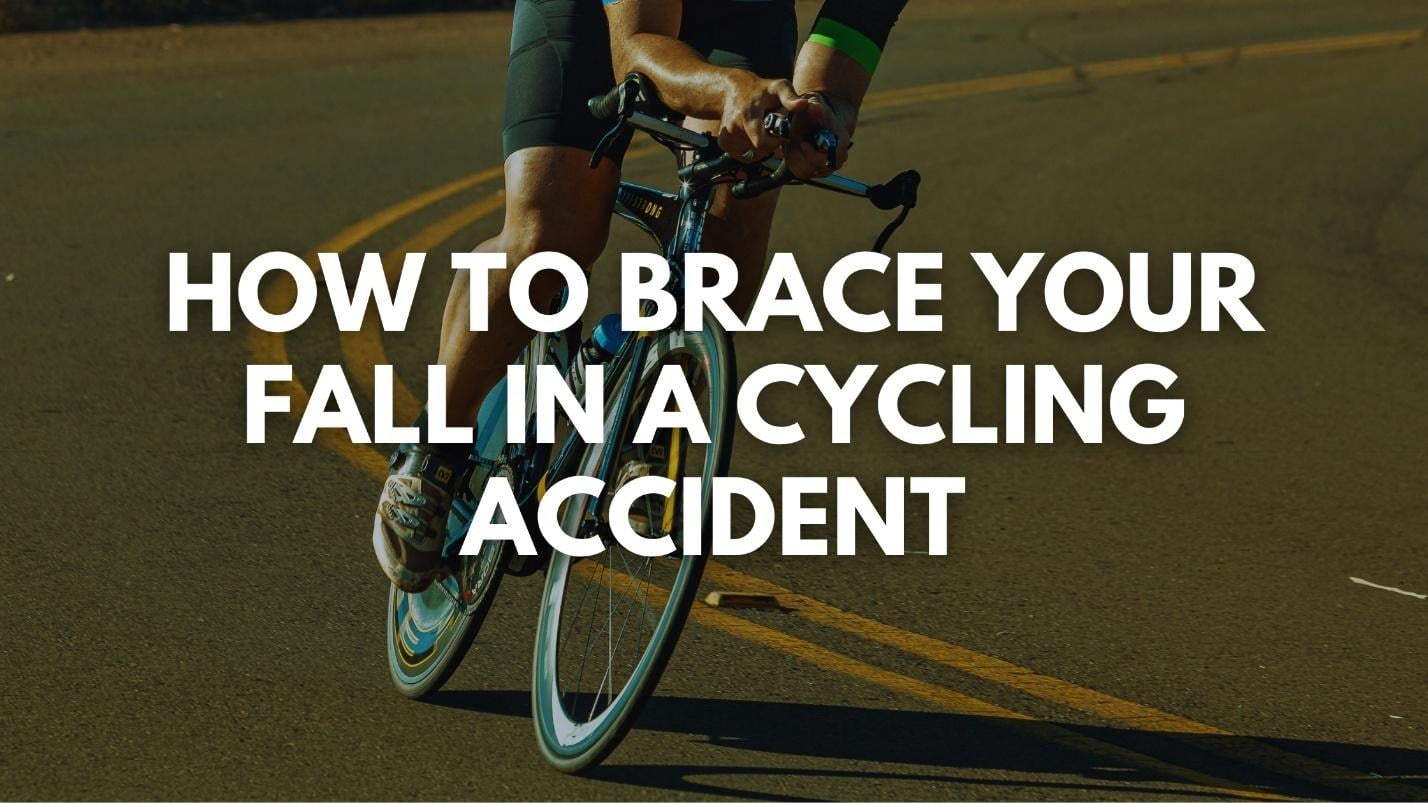
Knowing how to brace your fall in a cycling accident can help reduce the risk of certain injuries, although no technique can guarantee a safe landing.
The instinctive reaction is often to stretch out your hands to stop the body from hitting the ground. However, landing with locked arms can transfer considerable force to the wrists, elbows, and shoulders.
Learning how to respond during an unavoidable fall, recognizing dangerous movements, and understanding what to do afterward can make a meaningful difference.
1. Avoid Locking Your Arms During Impact
One of the most common mistakes during a cycling accident is extending both arms with straight elbows to catch the fall. Although this reaction feels natural, it can place excessive pressure on the wrists and shoulders.
Instead, avoid deliberately locking your elbows if you have time to react. Keeping your upper body relatively relaxed and allowing your joints to bend naturally may help distribute impact forces.
This does not mean you should force a particular landing position. Every cycling accident happens differently, and the direction and speed of the fall can limit your ability to control your movements.
2. Try to Tuck Your Body When Possible
If you recognize that a fall is unavoidable, bringing your limbs closer to your body can help reduce the likelihood of awkward contact with the ground.
Keep your elbows and knees slightly bent rather than allowing your arms and legs to become completely rigid. This can also help prevent your limbs from becoming caught between the bicycle and the road.
Some experienced riders practice controlled falling techniques to improve their reactions. However, these techniques should be learned under qualified supervision rather than attempted for the first time during an actual accident.
3. Protect Your Head and Neck
Head injuries are among the most serious concerns following a bicycle crash. A helmet provides important protection, but riders should still avoid unnecessary head movement during impact.
If possible, gently tuck your chin toward your chest and avoid allowing the back of your head to strike the ground. Keep your neck as neutral as the situation allows.
A properly fitted and certified cycling helmet is essential before every ride. Check its condition regularly and replace it after a significant impact, following the manufacturer's recommendations.
Remember that wearing a helmet reduces certain injury risks but does not eliminate the possibility of a concussion or other head injury.
4. Avoid Trying to Stop the Fall Too Aggressively
When a bicycle starts sliding, some riders instinctively attempt to regain balance through sudden movements. Unfortunately, aggressively grabbing the handlebars, twisting the body, or reaching for nearby objects can make the situation more unpredictable.
If there is enough time, focus on avoiding additional hazards rather than attempting a dramatic recovery.
For example, a rider losing traction on a wet corner should avoid making sudden steering corrections that could worsen the slide. Once a fall becomes unavoidable, prioritize protecting your head and avoiding direct impact with obstacles.
5. Learn When Rolling May Help
Rolling is sometimes recommended as a way to distribute impact across a larger area instead of concentrating force on one body part.
However, rolling is not appropriate for every cycling accident. A high-speed collision, fall involving traffic, or impact against a fixed object may make rolling impossible or dangerous.
For riders interested in learning this technique, supervised practice on appropriate padded surfaces can help develop body awareness and coordination.
6. Check Yourself Before Getting Back on the Bicycle
After a fall, adrenaline can temporarily make injuries feel less serious than they actually are. Avoid immediately standing up or continuing your ride without assessing your condition.
Check for the following:
- Bleeding, cuts, or visible wounds.
- Pain or swelling around the wrists, shoulders, knees, and ankles.
- Difficulty moving your arms or legs.
- Dizziness, confusion, headaches, or nausea.
- Unusual weakness or numbness.
If you suspect a neck, back, or serious head injury, avoid unnecessary movement and seek emergency assistance.
Loss of consciousness, repeated vomiting, seizures, worsening headaches, or confusion require urgent medical attention. Do not return to cycling if you may have a concussion.
7. Prepare for Future Cycling Accidents
Although learning how to brace your fall is useful, preventing accidents should remain the priority.
Before every ride, inspect your brakes, tires, chain, and handlebars. Wear appropriate protective equipment, choose routes suited to your experience, and maintain a safe distance from other road users.
Pay particular attention to road conditions. Wet pavement, loose gravel, potholes, and uneven surfaces can significantly affect bicycle handling.
Developing good cycling habits also requires patience and concentration. Similar to how players approach recreational activities such as Bingo games on GameZone, taking time to understand the activity and its potential risks encourages more responsible decision-making.
The same principle applies to cycling: preparation and awareness are more valuable than relying entirely on quick reactions.
Why Knowing How to Fall Matters
Cycling offers physical, mental, and recreational benefits, but accidents remain an unavoidable possibility for some riders. Understanding how to brace your fall, protect your head, and recognize potential injuries can help you respond more appropriately when something goes wrong.
Ultimately, the best cycling safety strategy combines accident prevention, proper protective equipment, and knowledge of basic emergency response.
Whether preparing for a weekend ride or enjoying recreational activities such as Bingo games on GameZone during your downtime, responsible decision-making should always remain a priority. On the road, however, staying alert, riding within your abilities, and prioritizing safety should never be compromised.
A safer cyclist is not simply someone who knows how to fall. It is someone who understands how to reduce risks before an accident happens.
More LifeStyle
- Need an Off-the-Rack Wedding Dress in St. Louis? Vow Ready Lets You Find a Designer Gown and Take It Home Today
- Why Long-Lasting Dog Chews Are Great for Canine Enrichment
- How Family Caregivers Can Make Time for Their Own Well-Being
- What To Do if a Car Accident Leaves You Afraid to Drive on Santa Monica's Busy Streets