
Key Factors in Choosing Wedding Planning and Event Venues
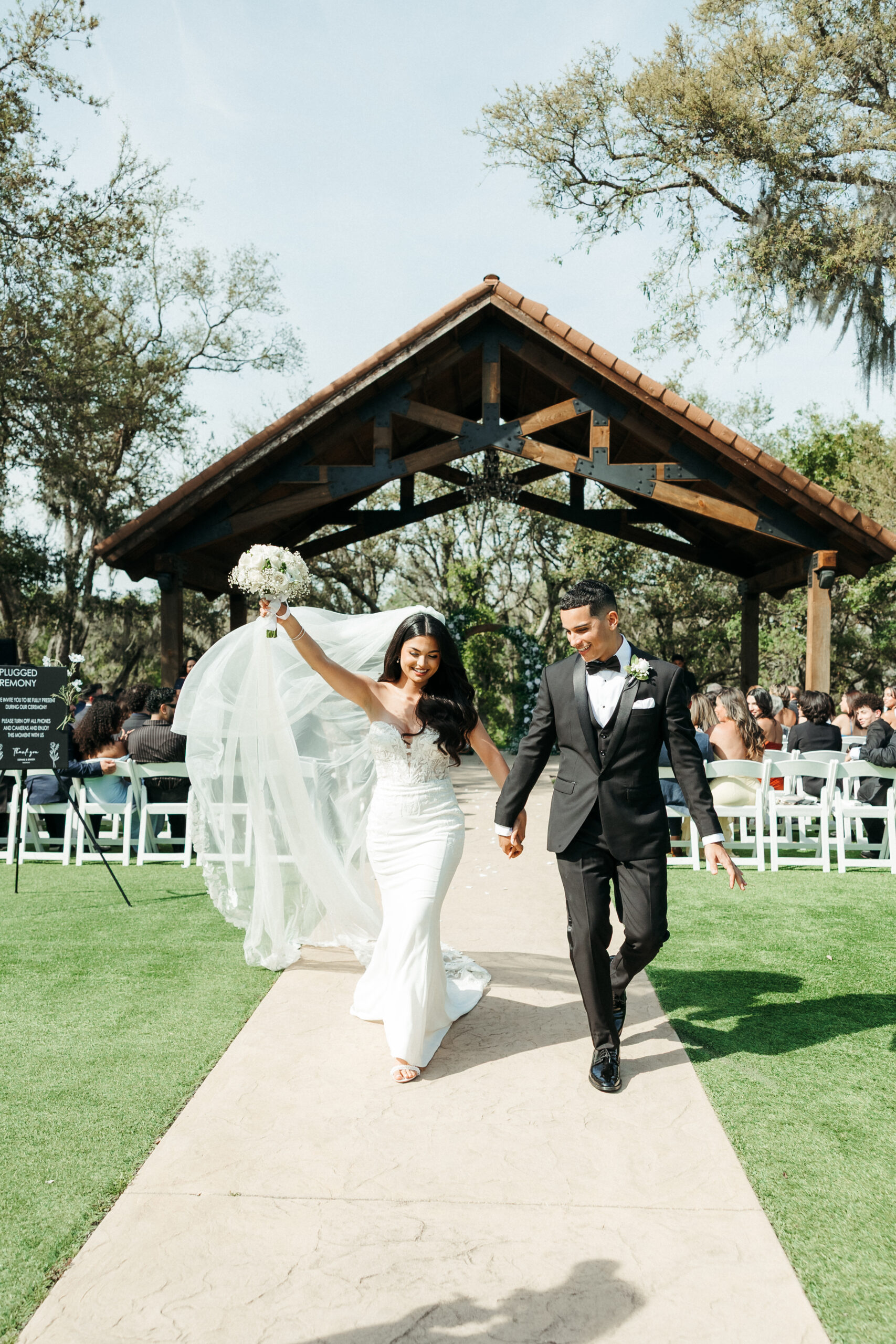
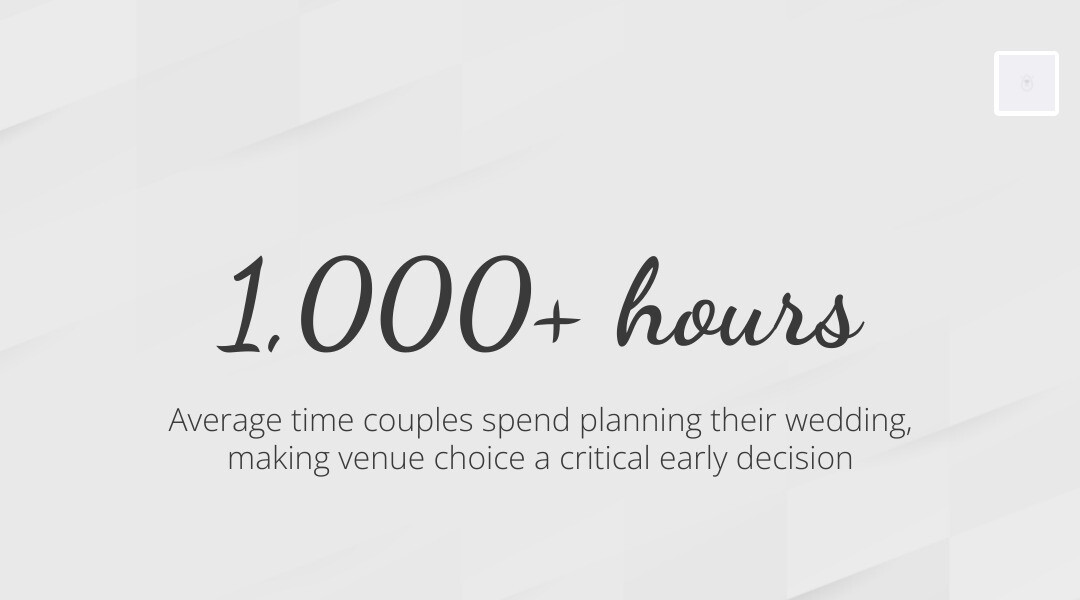
Planning your wedding is a thrilling adventure. Yet, we know it can also feel like a part-time job, with couples often spending over 1,000 hours on details. Our aim is to make this journey smoother for you.
The right wedding and event venue is key. It’s not just a space; it’s where your special day unfolds. It sets the mood, guides your planning, and creates memories for everyone.
We will explore crucial aspects of venue selection. We’ll look at different styles, from rustic barns to modern lofts. We will also compare all-inclusive packages with venue-only rentals. Plus, we’ll tackle important topics like weather plans, budget tips, and finding a venue that matches your personal style.
Selecting the perfect wedding venue goes far beyond simply picking a pretty backdrop. It’s about finding a space that aligns with your vision, accommodates your guests comfortably, and supports the seamless flow of your celebration. We consider the venue to be the foundational element upon which all other wedding details are built.
One of the first considerations is venue capacity relative to your guest count. A space that’s too small will feel cramped, while one that’s too large can feel impersonal. For instance, venues like Stoke By Nayland can accommodate up to 300 guests in their Devora Suite, while others might cater to more intimate gatherings. It’s crucial to understand both seated dinner capacity and standing cocktail capacity to ensure everyone’s comfort throughout the event.
Site accessibility is another practical concern. This includes ease of travel for your guests, availability of on-site parking (Gran Paraiso Gardens offers parking for approximately 80 vehicles, while McKenzie Wilderness Estate can accommodate up to 75 cars and shuttles), and potential needs for guest accommodation nearby. If many guests are traveling, proximity to hotels or transportation hubs becomes paramount.
The geographic location plays a significant role, influencing everything from guest travel to vendor availability. Whether you’re planning a local celebration or a destination wedding, the chosen area’s climate, local regulations, and unique offerings will shape your experience.
Finally, the layout flow and aesthetic alignment are critical for creating the desired atmosphere. How does the space naturally transition from ceremony to cocktail hour to reception? Does its existing architecture and decor complement your desired theme, or will it require extensive (and costly) transformations? Factors like seasonal availability also come into play, especially for venues with significant outdoor components, requiring careful consideration of weather patterns in August 2026 and beyond.
Architectural Styles and Atmosphere
The architectural style of your chosen venue profoundly impacts the overall wedding experience, setting the tone and often dictating the aesthetic of your entire event. Each style offers a distinct atmosphere:
- Historic Estates: Venues like Pendry Natirar, with its 500 rolling acres, or Jacobs Berry Farm, set on a historic homestead, exude timeless elegance and grandeur. They often feature intricate details, manicured gardens, and a sense of old-world charm that can transport guests to another era.
- Rustic Barns: Popular for their relaxed, charming appeal, rustic barns (like Jacobs Berry Farm’s 100-year-old structure) offer a warm, inviting atmosphere. They often pair well with bohemian or country-chic themes, surrounded by natural landscapes.
- Modern Industrial Lofts: Urban spaces such as Seattle’s Foundry or Strongwater in Columbus, with their exposed beams, high ceilings, and often large windows, provide a chic, contemporary backdrop. They are ideal for couples seeking a sophisticated, minimalist, or edgy aesthetic.
- Waterfront Pavilions: Locations like Santa Barbara’s Palm Park Beach House or Orlando’s Paradise Cove offer breathtaking views and a serene ambiance. These venues are perfect for couples dreaming of nautical themes or a breezy, relaxed celebration.
- Botanical Gardens: Places like Harry P. Leu Gardens in Orlando or Planterra Conservatory in Detroit provide lush, natural beauty, often requiring minimal additional decoration. They create an enchanting, organic feel, perfect for romantic, garden-inspired weddings.
- Unique Spaces: Beyond these, we see venues like the Orlando Science Center, Detroit Institute of Arts, or even permanently docked historic ferry boats in Seattle offering truly distinctive experiences, allowing couples to infuse their personality into every detail.
Choosing a style that resonates with your personal taste and vision is paramount, as it forms the canvas for your entire celebration.
Essential Steps for Wedding Planning and Event Venues Coordination
Once you have a general idea of your preferred venue style, it’s time to dive into the practicalities of coordination. A meticulous approach here ensures a smooth planning process and a flawless event.
First, clarify the seated dinner capacity versus the standing cocktail capacity. Many venues, such as those in Seattle, specify different guest counts for these configurations, with standing receptions often accommodating significantly more people. This distinction is crucial for designing your floor plan, ensuring adequate space for dining, a dance floor, and comfortable guest movement. You wouldn’t want your guests to feel squeezed, especially if you plan for a lively celebration.
Next, understand the setup timelines and teardown protocols. When can your vendors access the venue for decoration and delivery? How long do they have for breakdown after the event? These details can impact vendor fees and overall logistics. For larger-scale events, coordinating multi-vendor teams, including lighting, floral, photography, and rentals, requires precise timing.
Finally, consider the acoustic quality of the space. High ceilings and hard surfaces in industrial venues, for example, might require acoustic treatments to ensure speeches are clear and music sounds balanced. A good sound system and thoughtful layout can make a significant difference to the guest experience. For couples seeking guidance on selecting and booking an ideal wedding and event venue, resources like Mockingbird Room can provide valuable insights and options.
All-Inclusive Packages Versus Venue-Only Rentals
When it comes to securing your wedding venue, couples often face a fundamental choice: opt for an all-inclusive package or pursue a venue-only rental. Each approach offers distinct advantages and considerations.
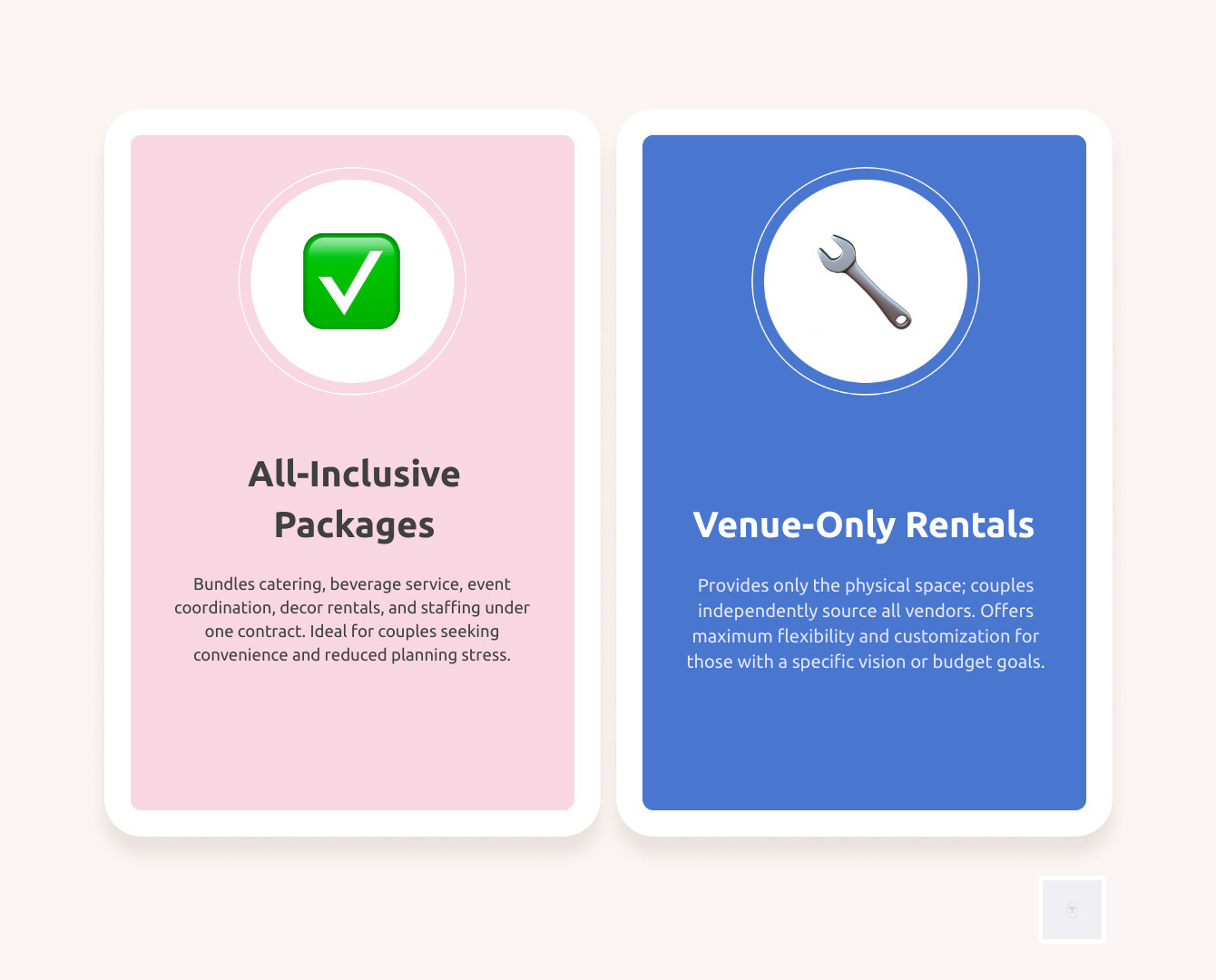
All-inclusive packages, championed by providers like Wedgewood Weddings, consolidate many essential services under a single contract. These typically include catering inclusions, beverage service, and often event coordination, decor rentals, and staffing. The primary benefit is convenience and reduced stress; as Wedgewood Weddings highlights, independent planning can consume over 1,000 hours. Transparent, itemized pricing is often a hallmark, aiming to eliminate hidden fees. For example, Gran Paraiso Gardens offers all-inclusive packages that cover staffing, catering, tables, chairs, and coordination, simplifying the planning process significantly. These packages are ideal for couples who value efficiency and a streamlined experience, allowing them to focus more on personalizing their day rather than managing numerous individual vendor contracts.
On the other hand, venue-only rentals provide maximum flexibility and control. With this option, you secure the physical space and then independently source all other vendors, from caterers and florists to photographers and entertainment. This path is often chosen by couples who have a very specific vision, wish to work with particular vendors, or aim to maximize their budget by selectively choosing services. McKenzie Wilderness Estate, for example, allows couples to bring in their own preferred vendors. While this route demands more time and effort in coordination and vendor management, it offers unparalleled customization.
The decision hinges on your priorities: whether you value the convenience and simplicity of a bundled solution or the freedom and personalization that comes with building your vendor team from scratch.
Vendor Policies and Operational Flexibility
Understanding a venue’s vendor policies is paramount, as these rules significantly impact your planning and budget. Many venues operate with preferred vendor lists, which are curated selections of suppliers they trust and have experience working with. While some venues might require you to choose exclusively from this list, others offer flexibility, allowing you to bring in outside vendors for specific services.
For services like outside catering, it’s crucial to clarify the venue’s stance. Some venues have in-house catering and do not permit outside food, while others might charge a “buy-out” fee or require specific kitchen access arrangements. Gran Paraiso Gardens, for instance, offers a venue-only package where couples can bring their own vendors, provided they meet certain criteria.
A non-negotiable requirement for external vendors is typically a certificate of liability insurance. Venues like Gran Paraiso Gardens and Stoke By Nayland mandate that all third-party suppliers carry adequate insurance to protect against unforeseen incidents. This is a standard industry practice designed to mitigate risks for all parties involved.
Beyond vendors, inquire about early access windows for setup. Knowing when your florists, decorators, and other vendors can begin their work is essential for crafting a realistic timeline. Similarly, understand any sound curfews or noise ordinances, especially for outdoor or late-night celebrations. Finally, clarify teardown protocols and the expected timeframe for vendors to clear the premises, as this can affect additional fees or logistics. Comprehensive understanding of these policies ensures a smooth, compliant, and stress-free event.
Essential Logistics, Amenities, and Weather Contingencies
Beyond the aesthetic appeal, a venue’s logistical support and amenities are critical for a comfortable and seamless wedding day. We always advise couples to look closely at these practical elements.
Getting-ready suites are more than just a place to change clothes; they are vital for the wedding day’s flow. Dedicated, private spaces for both the bridal party and the groom’s party, complete with ample lighting, mirrors, and comfortable seating, are essential for hair, makeup, and pre-ceremony photography. Gran Paraiso Gardens offers private on-site suites, with early access available for an additional fee, acknowledging the importance of this prep time. Pendry Natirar even boasts a Movement Studio, perfect for pre-wedding wellness sessions, highlighting how these spaces can contribute to a relaxed start to the day.
On-site parking is a significant convenience for guests. Confirming the capacity and accessibility of parking areas is crucial, especially for venues in urban or remote locations. For larger guest counts or venues with limited parking, planning for guest transportation via shuttles or ride-shares becomes necessary.
Lastly, don’t overlook restroom facilities. Ensuring there are enough clean, accessible restrooms for your guest count, especially for outdoor or tented events, contributes significantly to guest comfort. These seemingly small details collectively enhance the overall experience for everyone involved.
Rain Contingencies and Climate Management
No matter how meticulously you plan an outdoor wedding, the weather remains an unpredictable factor. We always emphasize the importance of a robust rain contingency plan and effective climate management.
Many venues, especially those designed for outdoor events, offer built-in solutions. McKenzie Wilderness Estate, for example, utilizes clear-top tents not just for reception but also as a versatile rain backup, allowing couples to maintain an immersive outdoor feel even when the skies open up. These tents provide shelter while still offering views of the natural surroundings.
For venues in warmer climates, effective HVAC systems are non-negotiable. Gran Paraiso Gardens’ 5,000-square-foot glass barn is fully air-conditioned, ensuring comfort for guests during a Miami summer. Similarly, P3 Palace in Zirakpur features fully air-conditioned banquet halls. Having auxiliary indoor halls or covered spaces is a lifesaver, providing a seamless transition should inclement weather strike.
Crucially, clarify the decision cutoffs for implementing the weather plan. Venues often have a specific timeframe—sometimes a week prior, as suggested by Gran Paraiso Gardens—when a final decision must be made to allow for necessary setup adjustments. Discuss load-in weatherproofing for vendors, ensuring their equipment and your precious decor are protected during setup, regardless of the forecast. A well-thought-out weather plan provides peace of mind, allowing you to enjoy your day without anxiety.
Destination Logistics Versus Local Celebrations
The choice between a local wedding and a destination wedding presents distinct logistical challenges and opportunities.
For destination weddings, planning often extends into multi-day itineraries. This typically involves a welcome dinner, the main wedding day, and a farewell brunch, as seen in the offerings at Pendry Natirar. Couples must consider guest accommodations and facilitate travel coordination, often providing information on local hotels, transportation options, and activities. The goal is to create an immersive experience that justifies the travel for guests, turning the wedding into a mini-vacation. This requires more extensive communication and support for your attendees well in advance.
Local celebrations, while seemingly simpler, still demand careful planning. Even if guests aren’t traveling across the country, coordinating their arrival and departure, especially if your venue is outside major city centers, is important. Consider local traffic patterns, taxi services, or designated drivers. The primary difference lies in the breadth of planning; destination weddings require a broader scope of hospitality, whereas local weddings focus on optimizing the immediate experience for guests who are already familiar with the region. Both, however, benefit from clear communication and thoughtful consideration of guest convenience.
Aligning Budget, Vision, and Bridal Style
Crafting an unforgettable wedding experience involves a delicate balance between your financial plan, aesthetic aspirations, and personal style. It’s about making strategic choices that maximize impact without overspending.
Effective budget tracking is the backbone of this process. We encourage couples to identify their priority spending areas early on. Is it a gourmet meal, breathtaking florals, or an epic dance party? Knowing what matters most helps allocate funds wisely. For instance, a venue with strong architectural backdrops or stunning natural scenery, like Casa Feliz with its built-in historic character, can significantly reduce the need for extensive decor, saving on floral arrangements and rental costs.
Focal lighting can dramatically transform a space, creating ambiance and highlighting key features. Thoughtful lighting design can be more impactful than elaborate floral installations in certain venues. Similarly, floral arrangements should complement, not compete with, the venue’s existing beauty. A rustic barn might call for wild, organic arrangements, while a grand ballroom might suit more structured, elegant designs.
The goal is to ensure every element, from the venue to the smallest decor detail, contributes harmoniously to your overarching vision, creating an event that feels authentically “you” within your financial comfort zone.
Harmonizing Wedding Planning and Event Venues with Personal Aesthetics
The synergy between your chosen venue and your personal style extends seamlessly to your bridal attire. Your wedding dress is not just a garment; it’s an integral part of your overall aesthetic and the story of your day.
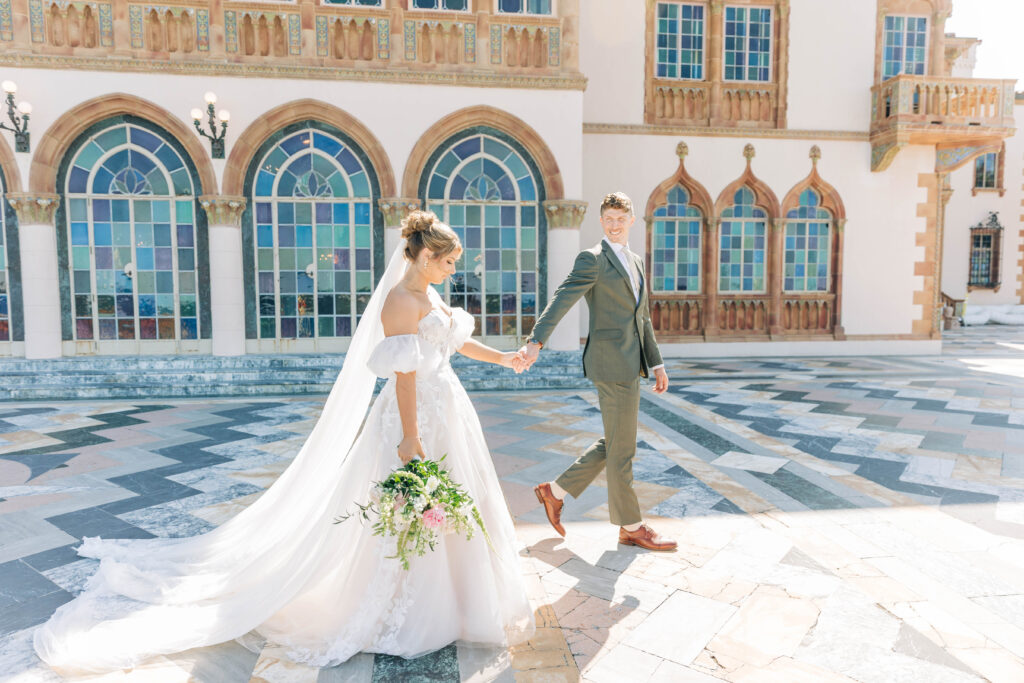
Consider the theme coherence of your venue. A grand ballgown might be perfect for a historic estate or a luxurious ballroom, while a more flowy, bohemian dress would complement a rustic barn or a beachside ceremony. The natural lighting of your venue also plays a role in how your dress will appear in photographs. A dress with intricate beading might sparkle beautifully under the warm glow of an indoor venue, whereas a simple, elegant silhouette could shine in abundant natural light.
Bridal silhouettes should also be chosen with gown mobility in mind. An outdoor garden wedding might require a dress that allows for easier movement across uneven terrain, while a sleek, fitted gown might be ideal for an urban loft with smooth floors. It’s essential to consider how comfortable you’ll be moving, dancing, and interacting with guests in your chosen attire throughout the day. To ensure your dress is perfectly suited for your venue and allows for maximum comfort and confidence, we highly recommend preparing for personalized gown fittings. These sessions ensure your dress is not only beautiful but also practical for your unique celebration.
Frequently Asked Questions About Wedding Planning and Venues
How far in advance should couples book a wedding venue?
We generally recommend an advance booking window of 12 to 18 months before your desired wedding date. This timeline is crucial, especially if you have your heart set on prime dates (like Saturdays in peak seasons) or highly sought-after venues. Popular venues, particularly in desirable locations like Orlando, often book up quickly. Securing your venue early allows you to lock in your preferred date and gives you ample time to plan other aspects of your wedding without rushing. Be prepared for deposit schedules that typically require an initial payment to confirm your booking.
What is the difference between seated and cocktail guest capacities?
The difference between seated and cocktail guest capacities is significant for planning your event layout. Seated capacity refers to the maximum number of guests that can be comfortably accommodated with tables and chairs for a formal meal, often including space for a dance floor. This setup requires more square footage per person. Standing reception layout, or cocktail capacity, allows for a greater number of guests as they are expected to mingle while standing, with fewer chairs and tables. For example, some Seattle venues can host 100 seated guests but up to 1,800 for a standing reception. Understanding these distinctions is vital for ensuring comfortable traffic flow and an enjoyable experience for all your attendees.
Why are dedicated getting-ready suites important for event timelines?
Dedicated getting-ready suites are invaluable for several reasons, primarily contributing to a stress-free and efficient wedding morning. They provide a private, comfortable space for hair and makeup prep, allowing stylists and artists to work without interruption. These suites also serve as ideal locations for photography staging, capturing those intimate pre-ceremony moments. Having these spaces on-site eliminates the need for travel between locations, reducing morning stress reduction and ensuring timeline efficiency. Venues like Gran Paraiso Gardens and Pendry Natirar recognize this importance, offering well-appointed suites that become a serene sanctuary for the wedding party before the festivities begin.
Conclusion
The journey of wedding planning and event venues selection is a pivotal one, setting the stage for one of life’s most cherished milestones. From understanding diverse architectural styles to navigating the nuances of all-inclusive packages versus venue-only rentals, every decision contributes to the tapestry of your special day.
By carefully considering factors like guest capacity, logistical support, and weather contingencies, and by fostering vendor harmony, you lay the groundwork for memorable execution. The goal is seamless coordination that allows you to fully immerse yourselves in the joy of the moment. With thoughtful research and a clear vision, you can choose a venue that not only fulfills your practical needs but also resonates deeply with your personal style, ensuring your wedding day is truly unforgettable.