
Dealing with a malfunctioning garage door can be incredibly frustrating, especially when it disrupts your daily routine.
Frequent use can accelerate wear and tear on the mechanisms, but understanding common issues and their solutions can save you time and stress.
A faulty door can trap your vehicle inside the garage or compromise your home’s security.
This guide highlights typical garage door problems and offers effective solutions to keep your door operating smoothly.
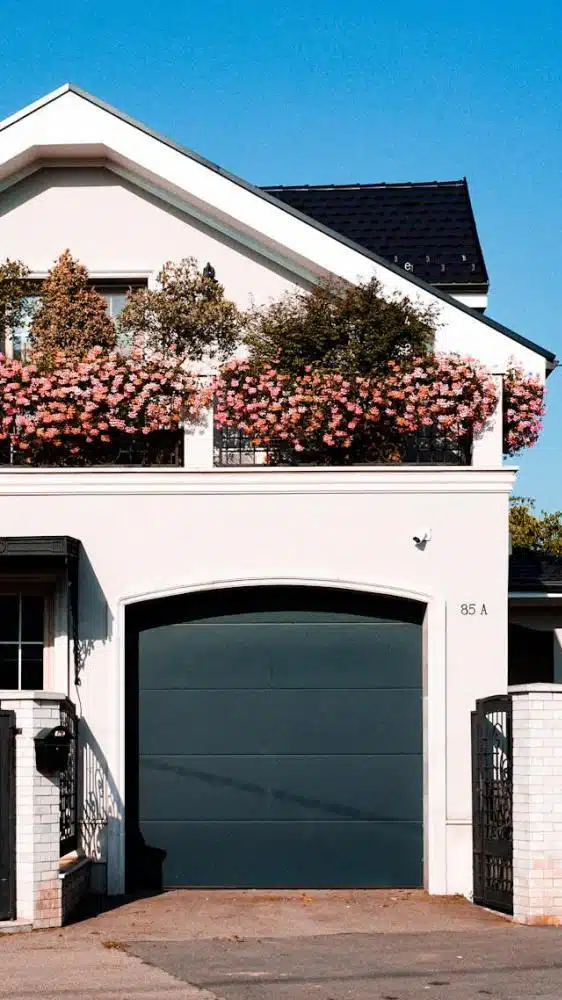
From doors that refuse to open or close properly to strange noises and unresponsive remotes, understanding these issues can help you address them promptly.
1. Broken Springs
One of the most common issues in garage door repair is broken springs. Garage doors use heavy-duty springs to help lift and lower the door smoothly. These springs can wear out or break due to the stress of lifting the heavy door multiple times a day.
- Solution: Spring replacement is a task best left to professionals, as these components are under high tension and can be dangerous to work with. Regular inspections and maintenance can help catch issues before they lead to failure.
2. Opener Malfunctions
Another frequent problem is with the garage door opener. If your door won’t open or close using the automatic opener, the cause could be anything from a simple remote control issue to a failure in the drive mechanism.
- Solution: First, check the batteries in your remote. If the opener remains unresponsive, try resetting it or inspect for any visible damage. Should the issue persist, consider contacting a garage door repair service in Salt Lake City, Utah, to diagnose and resolve the problem.
3. Misaligned or Off-Track Doors
Garage doors slide up and down on tracks. If these tracks are misaligned or if the door is off-track, it won’t operate smoothly and can even become stuck.
- Solution: Check the tracks for bends, obstacles, or gaps between the rollers and the track. You can try to realign the tracks yourself by loosening the screws that hold the tracks to the garage frame and gently tapping the tracks back into position. If the door is off-track, it’s advisable to get professional help, as realigning it involves several risks.
4. Worn Out Rollers or Hinges
Worn out rollers or hinges can cause noisy operation or make the door operate jerkily. Over time, these parts can wear out from normal use or get damaged from alignment issues.
- Solution: Replacing rollers and hinges is straightforward but requires tools and a bit of know-how. If you’re comfortable with basic tools, you can purchase replacement parts and install them. Otherwise, consider hiring a professional to ensure the job is done right.
5. Broken Cables
Garage door cables are essential for the safe operation of your door, especially in counterbalance systems. If a cable snaps, the door could fall or become unbalanced.
- Solution: Due to the high risk associated with broken cables, this repair should definitely be handled by professionals. Regular maintenance can help detect frayed or worn cables before they break.
6. Sensor Issues
Automatic garage doors have sensors that prevent the door from closing if there’s an obstruction. If your door stops closing before it reaches the ground, sensor misalignment might be the cause.
- Solution: Ensure the sensors are clean and correctly aligned. Sometimes, cleaning the lenses and making sure the sensors face each other can fix the issue. If problems continue, the sensors might need replacement or realignment by a technician.
Conclusion
Regular maintenance is crucial for preventing common garage door issues. By promptly addressing problems and performing routine checks—such as lubricating moving parts, tightening hardware, and inspecting the balance—you can keep your garage door in top condition.
This proactive approach not only extends the lifespan of your garage door but also enhances the safety and convenience of your home.
Investing time in maintenance today can save you from expensive repairs and potential hazards in the future.