This post contains affiliate links. If you buy through these links, I may earn a small commission at no extra cost to you. Read my full disclosure policy here.
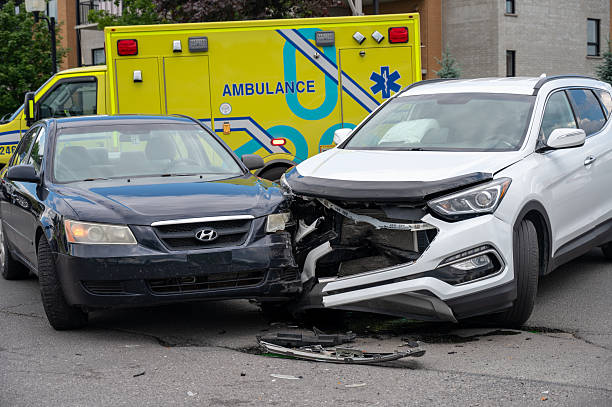
After a car accident, getting back behind the wheel can feel more difficult than expected. A person may understand that the collision is over but still feel tense when approaching an intersection, merging into traffic, or driving past the location where the crash happened. These reactions can interfere with everyday responsibilities, especially when driving is necessary for work, school, or family commitments.
Santa Monica has busy streets, frequent intersections, pedestrian activity, and routes connecting to other parts of Los Angeles County. Returning to these roads after a frightening collision may take time. Someone dealing with accident-related anxiety may speak with a Santa Monica auto accident attorney to understand whether the emotional effects of the crash are relevant to an injury claim.
Recognize the Difference Between Caution and Persistent Fear
Feeling nervous immediately after a collision is not unusual. A person may become more alert around other vehicles or take extra time before making turns. These reactions can gradually improve as confidence returns.
However, persistent fear may be more disruptive. Someone might avoid driving entirely, experience panic when approaching traffic, or have difficulty concentrating because they keep remembering the collision.
Other possible reactions include:
- Trouble sleeping after the accident.
- Feeling tense when another vehicle follows closely.
- Avoiding freeways or intersections.
- Experiencing a racing heartbeat while driving.
- Depending on others for transportation despite previously driving regularly.
These symptoms should not be dismissed as a lack of confidence. If they continue or interfere with daily life, professional guidance may help.
Start With a Gradual Return to Driving
There is no universal timeline for becoming comfortable behind the wheel again. A gradual approach may be more manageable than immediately returning to the most stressful driving conditions.
A person might begin by sitting in a parked vehicle, then take a short trip on a familiar and quieter road. Once that feels manageable, they may gradually increase the distance or try a busier route.
Some practical steps include:
- Choose a familiar route: Begin with roads that have predictable traffic patterns and convenient places to stop.
- Avoid rushing: Allow extra travel time so there is less pressure to make quick decisions.
- Bring a supportive passenger: A calm passenger may provide reassurance during early trips, if having someone in the vehicle feels helpful.
- Practice in manageable conditions: Daylight and lighter traffic may make the first trips less overwhelming.
- Take breaks when necessary: Pull over safely if anxiety becomes distracting. Never continue driving when panic prevents you from focusing on the road.
When Professional Support May Be Useful
If fear continues for weeks, becomes more intense, or prevents normal activities, consider speaking with a qualified mental health professional. A provider can assess the symptoms and discuss suitable treatment options.
The National Institute of Mental Health explains that trauma-related symptoms may include unwanted memories, avoidance, changes in mood, and heightened reactions. Its post-traumatic stress disorder resource provides information about symptoms and treatment.
Emotional effects may also be relevant to a personal injury claim. California Civil Code § 3333 addresses damages for detriment caused by a wrongful act or omission. Whether emotional distress is recoverable depends on the circumstances, available evidence, and applicable legal rules.
The California Legislative Information website provides access to the state's statutes.
Keep a Record of How the Accident Has Changed Your Routine
Fear of driving can have practical consequences. A person may need to rely on rides from family members, use public transportation, turn down work assignments, or spend more time reaching appointments.
Keeping a record of these changes can help explain the extent of the disruption. Useful information may include treatment records, missed work, transportation expenses, and notes about situations that trigger anxiety.
It is important to distinguish between the emotional impact of the accident and unrelated stress. Clear, accurate records can help a healthcare provider and, where relevant, an insurer understand the situation.
Do Not Force Yourself to Drive Before You Feel Ready
Returning to driving should not become a test of willpower. If anxiety affects concentration or reaction time, driving may create additional safety risks.
A gradual plan, professional support, and realistic expectations can make the process easier to manage. Progress may happen in small steps rather than all at once.
Pro Tip: Keep a simple driving log. Record the route, conditions, anxiety level, and what helped you feel more comfortable. This can help identify patterns and track progress over time.
More LifeStyle
- Need an Off-the-Rack Wedding Dress in St. Louis? Vow Ready Lets You Find a Designer Gown and Take It Home Today
- Designing a Coastal Oasis: Modern Pool Architecture and Engineering for South Florida Homes
- The Surprising Similarities Between Video Game Mechanics and Sports Betting
- What Are Partial Hospitalization Programs and Who Are They For?