
When a child smokes, the clues are everywhere.
It’s almost impossible to hide a smoking habit for a long time, from the breath to the pungent odor that clings to clothes and bodies.
Knowing if a child is vaping requires the parent to pay very keen attention. Vaping leaves none of the trashy traces associated with smoking.
For adults, especially those already smoking, vaping is a better alternative that poses lower health risks.
Reading a guide to vaping is an excellent start to swapping your smoking habit for a healthier one.
As for kids less than 18, both smoking and vaping should be frowned upon.
The challenge lies in knowing when your child vapes since vapes are mostly pen-like, and the vapor they produce is odorless. If you are ever concerned may be vaping, here are subtle signs to watch.

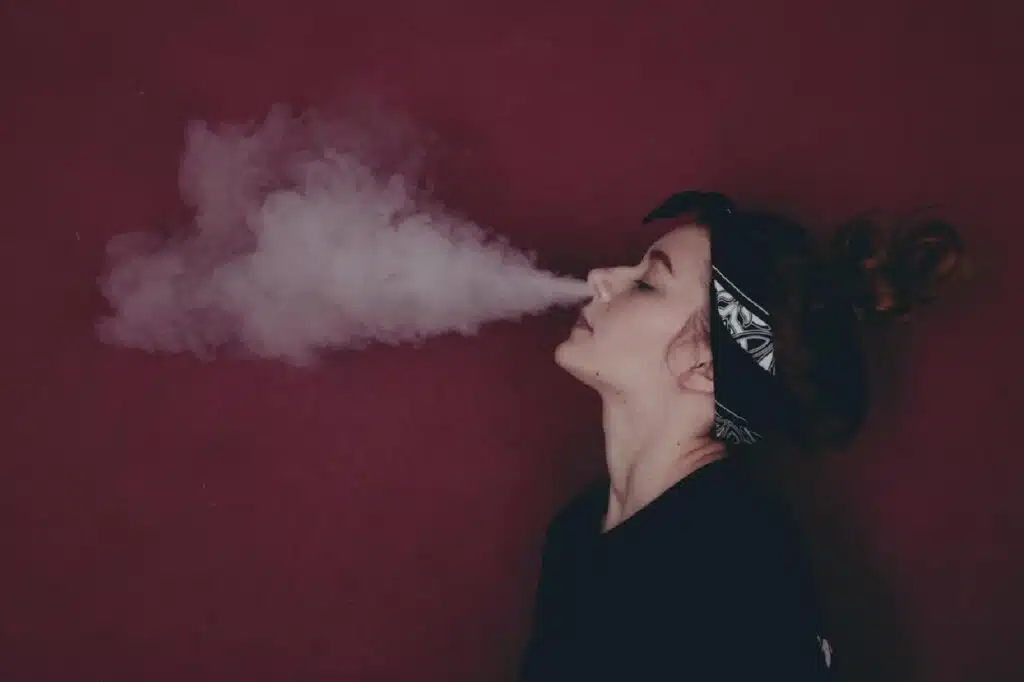
Sweet Fragrances
Flavors are often part of the ingredients to enhance the vaping experience. There is a wide variety of flavors of vapor available in the market.
Fruity, citrus, and sweet flavors are mostly preferred. Most vapers prefer this vapor flavor, especially kids who have just taken to vaping to feel cool.
Though vaping doesn’t leave a persistent odor, the sweet smell of the flavor can be in the air for a while.
Kids who vape are extra careful, and you may likely not walk in on them during their sessions.
However, If you start noticing a sweet smell in your kid’s room or car, that could be your clue that your child is vaping.
Unusual Purchases
Like cigarettes, selling vape devices to minors is illegal. The law prohibiting the selling of vapes to children is hard to enforce.
Kids somehow find a way to buy vapes at local stores, gas stations, and from friends. Online purchases are even more accessible.
Considering how easy it is to get them online, watch out for unusual online purchases charged to your credit cards and mysterious packages arriving through the mail.
Vaping Equipment
Finding strange tech products in your kid’s possession should require scrutiny.
Many parents miss out on the apparent clue thinking vapes look like a cigarette. While some are pipe-like, Most are now designed as USB pens, while some resemble flash drives.
No matter the design, One common feature in any vaping device is the mouthpiece, the part designed to inhale a substance.
If you are suspicious about your child’s favorite tech equipment, dismantle and look for vape components like cartridges, pods, and e-Liquid.
Increased Thirst
An increase in water or fluid consumption frequently comes with consistent vaping. The reason is traced to a significant ingredient in the e-liquid.
Propylene Glycol (PG) is one of the four primary ingredients in an e-liquid, responsible for holding or absorbing water.
The amount of vapor produced depends on the level of the hygroscopic substance present.
The substance also serves as a humectant and absorbs moisture from the mouth, nose, and eyes.
An unexplained increase in water intake may be a sign of your child vaping.
While a kid, like adult vapers, naturally drinks a lot of water to combat hydration, some go for other fluids like soda and iced tea.
Vaper’s Tongue
As the name implies, vaping affects the vaper’s tongue. The mouth produces more water when it perceives or tastes food.
Vaping might compromise that little biological mechanism that makes your child enjoy all kinds of food.
The change in perception results from dehydration in the mouth caused by Propylene Glycol (PG).
This compound that holds the water vapor exhaled during vaping also dehydrates the moisture in the mouth.
That comes with the loss of appetite and taste. Your child may switch to spicy and salty to mitigate reduced flavor perception.
If that starts happening, it may be a sign that they vape.
Passing on the Caffeine
Nicotine and caffeine don’t mix well. When taken together, it often heightens the level of anxiety, irritability, and mood swings.
The intake of nicotine, which is present in most vapes’ e-liquids, triggers the release of adrenaline.
At first, kids enjoy the good feelings accompanying vaping, but it can become too much to handle when combined with caffeinated drinks like coffee and soda.
They usually give up on one, and you can bet which one it would be.
So, if you noticed your kids don’t gulp their favorite caffeinated drinks like soda as before, the reason may be worth finding out.

Cough and Throat Irritation
As mentioned earlier, vaping causes dryness in the mouth. That could lead to irritations, mouth wounds, and infections, which often last over time.
Also, the overindulgence in nicotine, which is present in most vapes, can double the risk of airway infections like pneumonia and bronchitis.
A child that vapes may start experiencing cough or throat issues.
It calls for concerns, especially if they have no previous history.
Persistent coughing, mouth sores, and throat clearing are strong indicators of your child’s vape use.
Listen for Vaping Lingos
Vaping community keeps growing online. It is a community with its own culture. Members showcase cloud skills on popular social media like YouTube, Twitter, and Twitter.
The chances are excellent that a teen who vapes is also part of the vaping community and uses its lingos.
Keep your eyes and eyes out for vaping slang in conversations. Some common ones to look out for are ‘Atty’ for an atomizer and ‘sauce’ refers to e-liquid.
‘Nicked’ means getting sick from too much vaping. Another way is to check their online search history for slang that may be vaping-related.
Talking To Your Kids about Quitting Vaping
Besides the physical evidence, behavioral changes are signs of your child engaging in hidden routines, including vaping.
Getting angry and punishing them are often the natural reactions of a typical parent.
Other parents resort to judging, lecturing, or even threatening the kids. All those approaches are counterproductive.
If you discover your kid is vaping, showing genuine concern is best.
Educating your child about the potential short and long health risks of vaping at such an age works better than a stand-off or passing a judgment.