
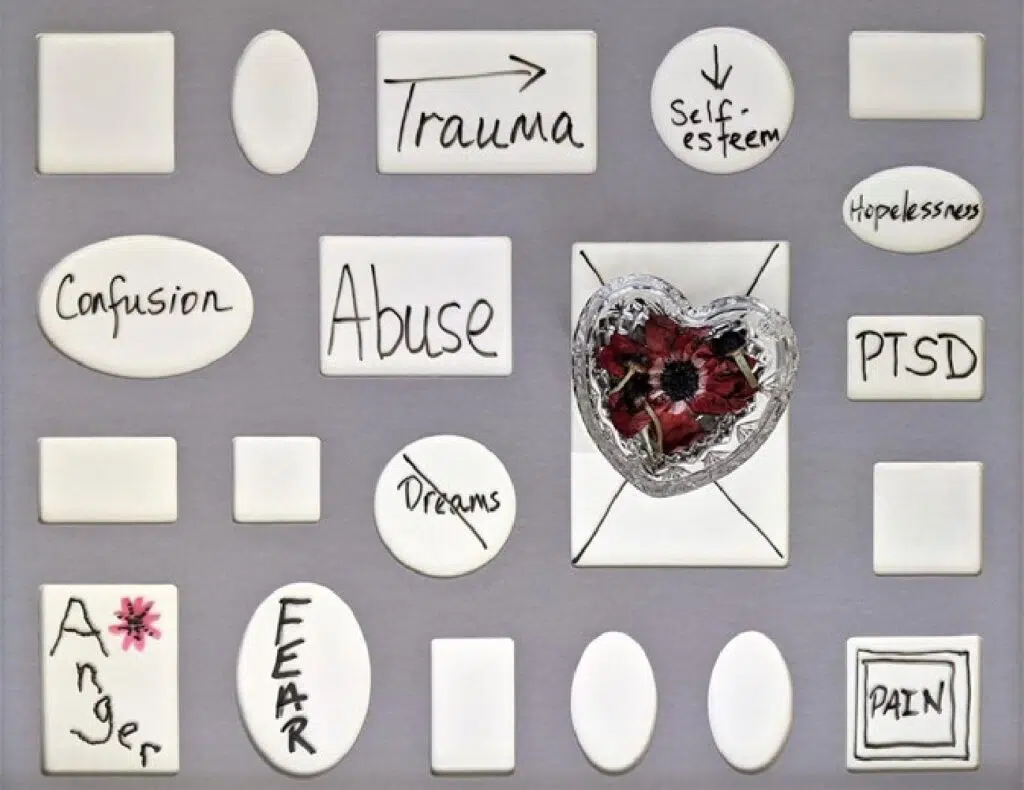
In the past few years, there has been a resurgence in awareness for Post-Traumatic Stress Disorder (PTSD) and how it affects people.
PTSD is an anxiety disorder that can be triggered by a traumatic event, such as military combat or sexual assault.
For those who suffer from it, PTSD symptoms can include flashbacks of the trauma, avoidance of reminders of the event, and emotional numbness.
While PTSD awareness has come a long way in recent years, there is still much work to be done.
One way to help spread awareness for PTSD is through the use of infographics. Infographics are a great way to present complex information in an easy-to-understand format.
They can also be shared easily on social media, making them a great way to reach a large audience.

If you are looking for ways to spread PTSD awareness, here are 10 ideas on how to use infographics:
1. Share an infographic about the different types of PTSD.
There are four main types of PTSD, including:
- Re-experiencing the trauma through flashbacks or vivid memories
- Avoiding reminders of the trauma
- Negative changes in beliefs and feelings about yourself and others
- Difficulty sleeping. Separation from loved ones can also be a symptom of PTSD.
2. Share an infographic about the effects of PTSD on veterans and active duty service members.
According to the U.S. Department of Veterans Affairs, 11-20% of military service members experience post-traumatic stress disorder at some point in their lives after returning from war zones.
Make an infographic about this to educate people about the disorder who are the people possibly affected by it.
3. Share an infographic about PTSD in women.
According to the National Center for PTSD, women are more likely than men to develop PTSD following exposure to trauma.
This may be due to the fact that women are more likely to experience certain types of traumatic events, such as sexual assault or domestic violence.
4. Share an infographic about PTSD in children.
According to the American Psychiatric Association, 3-5% of children and adolescents experience PTSD following exposure to a traumatic event.
5. Share an infographic about how to recognize the symptoms of PTSD.
PTSD can often be difficult to diagnose, as its symptoms can be similar to other mental health conditions.
Some common symptoms of PTSD include flashbacks, avoidance of reminders of the event, emotional numbness, and difficulty sleeping.
6. Share an infographic about the different treatment options for PTSD.
There are a number of different treatment options available for people with PTSD, including medication, therapy, and self-help groups.
7. Share an infographic about the history of PTSD.
PTSD was first recognized as a psychological condition during World War I.
It was originally referred to as “shell shock,” and it wasn’t until 1980 that the psychiatric Diagnostic and Statistical Manual for Mental Disorders included PTSD in its third edition of mental disorders.
8. Share an infographic about ways to get involved with spreading PTSD awareness.
There are a number of different ways to get involved with spreading PTSD awareness, such as participating in an event or donating money to organizations working to help those who suffer from PTSD.
9. Share an infographic about how you can take care of yourself if you have PTSD.
There are a number of different self-care tips that can help those with PTSD, including relaxation techniques, exercise, and healthy eating.
10. Share an infographic about the myths and facts about PTSD.
There are a number of myths and misconceptions about PTSD. Some common myths include the idea that only veterans can suffer from PTSD, that PTSD is a sign of weakness, and that PTSD can be cured with therapy.
Tips To Spread Awareness Effectively
Here are some basic tips on how to spread awareness effectively:
- Share infographics through social media channels such as Twitter, Facebook, and Instagram.
- Include a link to the infographic on your website or blog.
- Print out the infographic and post it in your workplace or school.
- Email the infographic to your friends and family.
- Share the infographic in discussion forums or online groups.
- Create your own infographic with the same message and share it on social media or in other online communities.
How Can You Help PTSD Sufferers?
Medical worker or not, you can help people or your loved ones who are suffering from PTSD. Here’s how:
- Educate yourself about PTSD by reading articles, watching videos, and taking free online courses. You can find information about different types of PTSD through online resources such as the National Center for PTSD.
- If you know someone who is suffering from PTSD, try to be understanding and supportive.
- Encourage the person with PTSD to seek professional help.
- Offer to accompany the person to doctor’s appointments or therapy sessions.
- Help the person with PTSD stay organized and on track by keeping a daily schedule.
- Remind the person with PTSD that treatment is effective and there’s no need to feel ashamed about having PTSD.
- Offer to help create a list of coping strategies, such as relaxation techniques and grounding exercises, for the person suffering from PTSD.
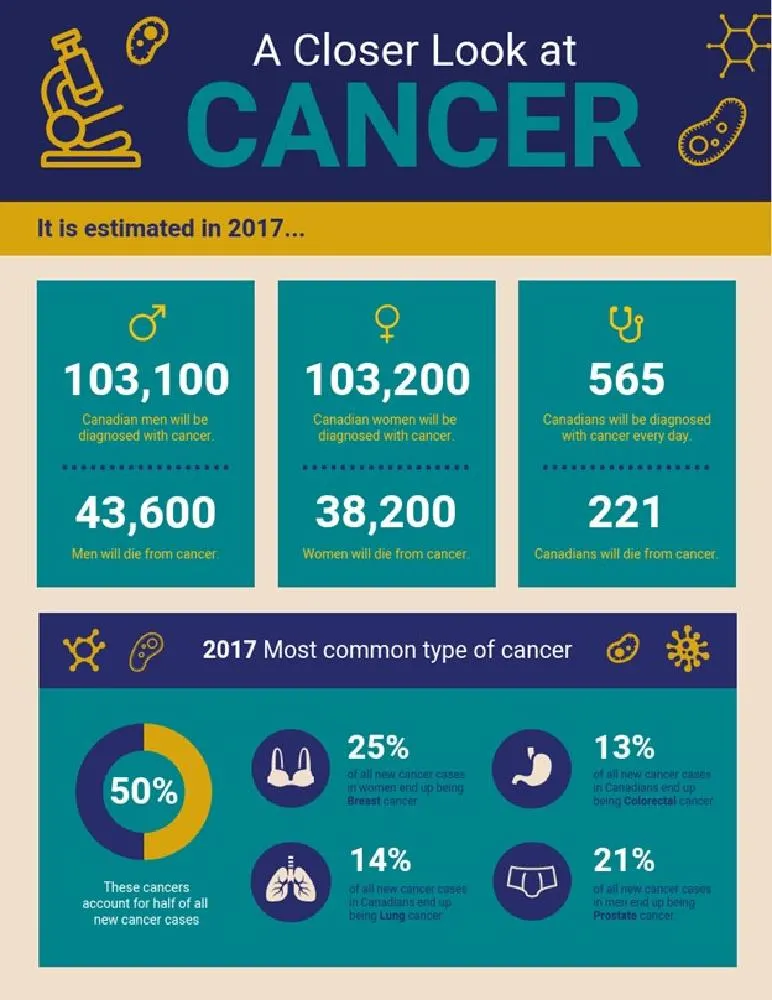
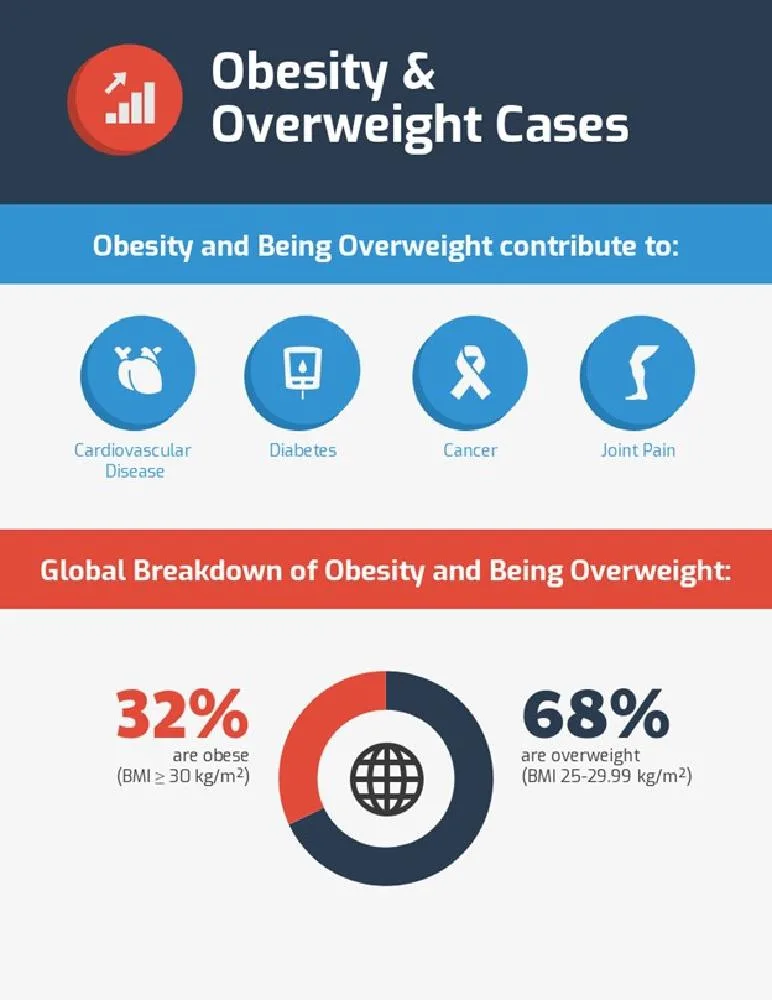
One great tip when making infographics is to use Venngage — an online infographic maker that allows you to choose from a wide range of infographic templates.
Here are some cool infographic examples from their website!

Venngage
Venngage
Venngage

Venngage

Venngage
PTSD is a complex condition that can have a devastating impact on those who suffer from it.
However, thanks to increased awareness and better treatment options, there is hope for those who struggle with this disorder.
Infographics are a great way to learn more about PTSD and how it can be treated.
If you are finding it challenging to make one your own, you can always use Venngage infographics.
Help people learn about PTSD today by making the best infographics for spreading awareness!