
Losing one or more teeth can hurt your appearance, confidence, and health. You may feel embarrassed to smile, talk, or eat in public.
You may also experience difficulties chewing, speaking, and maintaining oral hygiene. Fortunately, there’s a solution to restore your smile and quality of life: dental implants.
Dental implants are artificial tooth roots surgically placed into your jawbone. They support artificial teeth and look and function like natural ones.
They can offer many advantages over dentures or bridges, such as improved appearance, comfort, speech, chewing, and oral health.
However, dental implants require a complex and lengthy process that involves several steps.
This blog post will explain the process of getting dental implants, from the initial consultation to the final restoration.
After reading, you’ll clearly understand how dental implants Mississauga, or another location can transform your smile and your life.
Understanding Dental Implants
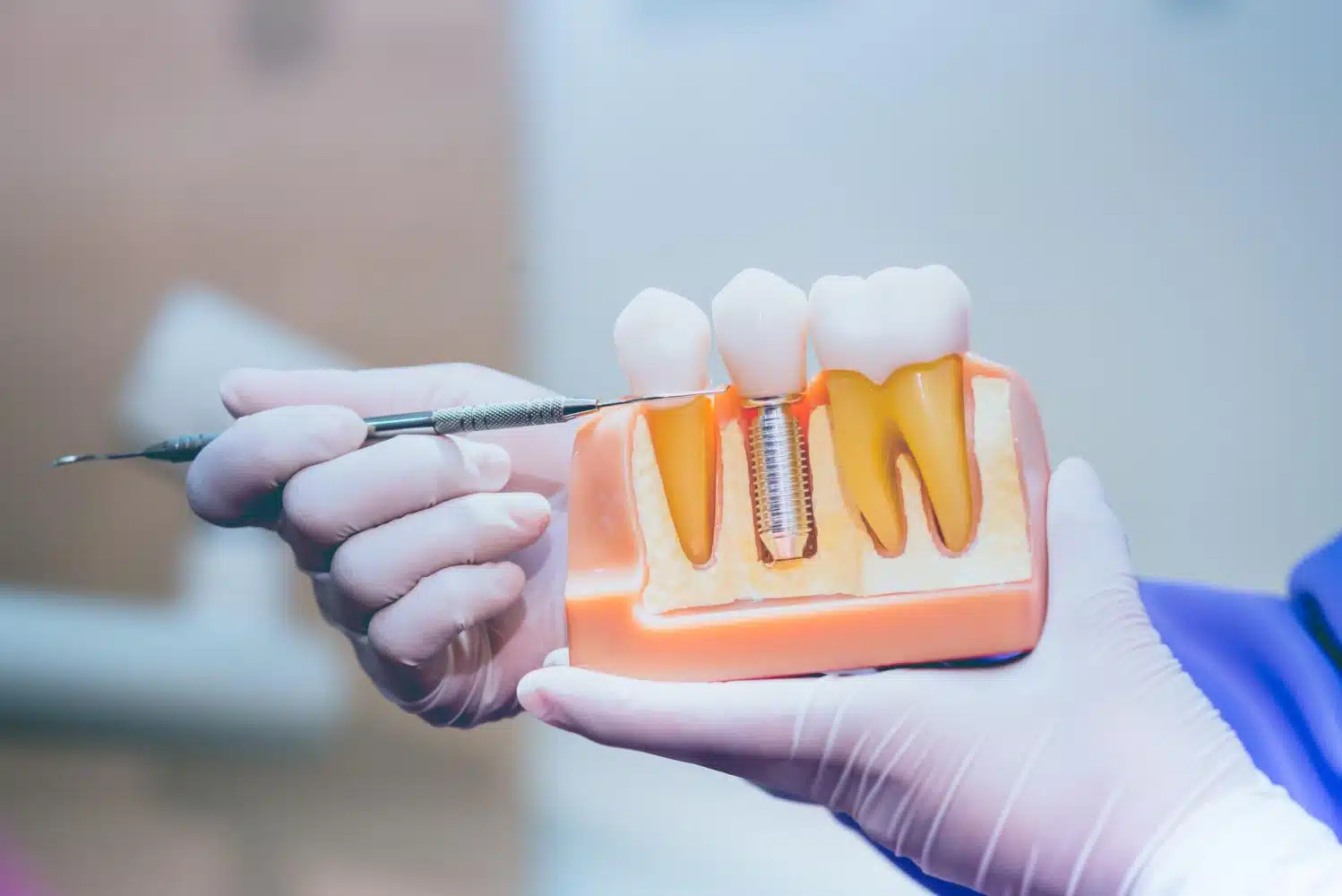
Dental implants are artificial tooth roots made of titanium, a biocompatible metal that can fuse with the jawbone. They consist of three main parts: the implant, the abutment, and the crown.
- Implant – The part dentists insert into the jawbone through a surgical procedure. It acts as the anchor and the support for the artificial tooth.
- Abutment – A small post that protrudes from the gum and holds the crown in place.
- Crown – The dentist custom-makes the prosthetic tooth to resemble a natural tooth and then attaches it to the abutment. This artificial tooth can contain various materials, such as porcelain, ceramic, or metal.
Dental implants work by mimicking the natural structure and function of the teeth.
They have many benefits, including providing a stable and durable foundation for artificial teeth and allowing them to look, feel, and work like natural ones.
They can also prevent bone loss, preserve the facial structure, and improve the patient’s oral health.
The Dental Implant Process
Getting dental implants is not a one-time procedure. It involves several steps and stages, varying depending on the individual case and the type of dental implant chosen.
Generally, it follows these main steps:
- Consultation and evaluation – Your dentist will perform a comprehensive dental exam, which may include taking X-rays, CT scans, and impressions of your teeth and jaw. These tests will help your dentist assess the condition and shape of your jawbone, the location and number of missing teeth, any oral diseases or infections, and the need for additional procedures, such as bone grafting or sinus lifting. Your dentist will also review your medical history and ask about any medications, allergies, or chronic conditions that may affect your eligibility or safety. Based on the results, your dentist will determine if you’re a good candidate and discuss the risks and benefits of the procedure with you.
- Treatment planning – Your dentist will explain the different options and factors that influence the choice of dental implants, such as the number and location of missing teeth, the condition and shape of the jawbone, your preference and budget, and the expertise and recommendation of the dentist. Different types and components exist, such as endosteal, subperiosteal, implant, abutment, and crown. Your dentist will help you select the most suitable and effective option for your needs and goals.
- Pre-surgical preparation – Before dental implant surgery, follow your dentist’s instructions closely for a seamless process and effective healing. In the week leading up to the surgery, abstain from smoking, alcohol, and certain medications. On the day, ensure comfort by having a light meal, staying hydrated, and opting for comfortable attire without jewelry or makeup. Take prescribed antibiotics or painkillers directed to manage potential discomfort. Prioritize oral hygiene with thorough brushing, flossing, and rinsing before the surgery to support success and minimize post-surgical complications.
- The surgical procedure – Under anesthesia, the placement of dental implants takes several hours. The dentist will cut the gum, drill the bone, insert the implant, and stitch the section. After the surgery, the patient will need to stick to a soft diet and avoid smoking and hard foods. The patient must also visit the dentist regularly and maintain good oral hygiene. The implant will heal and fuse with the bone in a few months. The patient will then get the abutment and the crown, which are the parts that resemble the natural tooth.
The dental implant process requires careful planning, execution, and maintenance, as well as the cooperation of the patient and the dentist.
It might not be easy, but a brighter horizon awaits anyone who ventures into this restoration. There’s no better time than today to boost your confidence with a beautiful smile.
Recovery And Healing
The dental implant healing process involves two main phases: osseointegration and restoration.
- Osseointegration phase – This stage is when the implant post fuses with the jawbone, creating a strong and stable foundation for the artificial tooth or teeth. Depending on how fast your bone heals, this phase can take 3 to 6 months.
- Restoration – This phase is when the abutment and the crown are attached to the implant post, completing your new smile. This period usually takes 1 to 2 weeks, depending on the type and number of crowns you need.
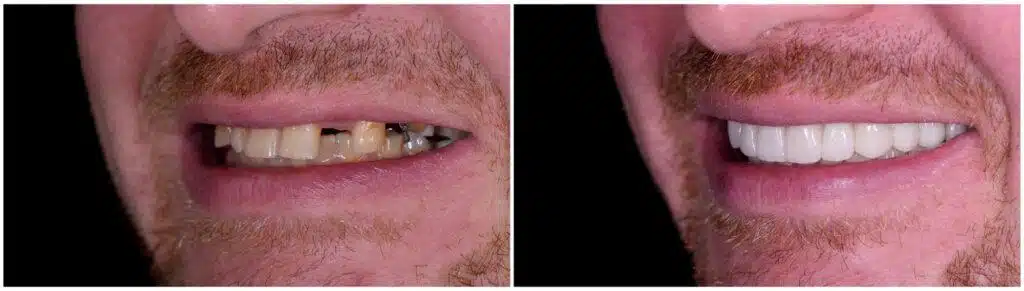
During both phases, you should follow the tips and instructions from your dentist to help with the healing and adjustment process. By taking good care of your implants, you can ensure a smooth and successful recovery and enjoy your confident smile for years.

Tips For Faster Healing And Recovery
To expedite healing after dental implants, closely adhere to your dentist’s instructions, take prescribed medication, prioritize rest, and refrain from engaging in strenuous activities.
Here are some more tips to help you heal faster after dental implants:
- Keep your head elevated and use cold or warm compresses to reduce swelling and inflammation.
- Rinse your mouth with warm salt water or a prescribed mouthwash to keep the area clean and prevent infection.
- Eat soft and nutritious foods that are easy to chew and swallow.
- Avoid hot, spicy, crunchy, sticky, or hard foods that can irritate the surgical site or damage the implant.
- Drink plenty of water to stay hydrated and prevent dry mouth.
- Do not smoke or drink alcohol, as these can delay healing and increase the risk of complications.
- Brush your teeth gently with a soft-bristled toothbrush and avoid touching the implant site.
- Floss daily with a special floss or a water flosser to remove plaque and food particles from between your teeth and around your implants
- Visit your dentist regularly for check-ups and adjustments.
These tips and instructions can ensure a smooth and successful recovery and healing process. Remember that dental implants are a long-term investment that can last a lifetime if you take good care of them.
Final Thoughts
Ready to reclaim your smile and bite into life with renewed confidence? Dental implants may be the missing piece you’ve been searching for.
Skip the limitations, savor every juicy bite, and laugh without reservation. It’s time to leave the shadows behind and step into the well-lit stage of your life.
Begin your journey towards a confident smile—schedule a consultation today and explore the possibilities.