
Every day, millions of vehicles traverse intersections, where multiple roads intersect and diverge, making them an integral part of our transportation system.
While intersections are designed to ensure smooth traffic flow, they are also complex zones where a multitude of traffic streams converge.
This convergence frequently becomes the flashpoint for accidents, the most common of which are intersection crashes.
In this article, we aim to delve into the intricacies of intersection safety, highlighting the common risks, and providing valuable insights on how to minimize them.
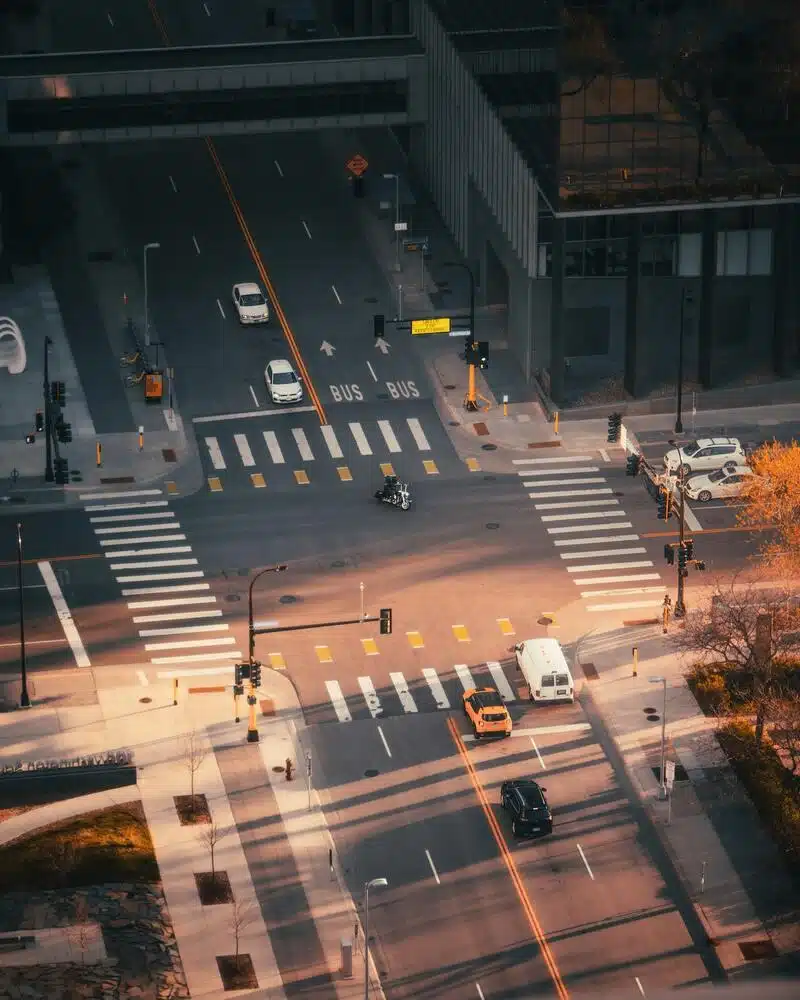
The goal is to empower each road user with the knowledge to navigate intersections safely and confidently, thus reducing the occurrence of intersection crashes.
Understanding Intersections
An intersection is where two or more roads cross each other. Intersections come in different shapes and sizes – four-way intersections, T-junctions, roundabouts, and signalized intersections, among others.
Each comes with its unique set of rules and potential risks.
Understanding these is fundamental to ensuring your safety and that of other road users.
Common Risks and Dangers at Intersections
Intersections, where paths of different vehicles and pedestrians cross, can be hubs of heightened risk. The confluence of different traffic streams at these junctions brings about an increased chance for mishaps.
Here are some of the most common risks and dangers that are associated with intersections:
- Distracted Driving: One of the leading causes of intersection-related accidents is distracted driving. Whether it’s texting, adjusting the radio, or using a GPS, any distraction that pulls the driver’s attention away from the road can lead to a collision.
- Reckless Driving: This includes speeding, abrupt lane changes, and failure to adhere to traffic signals. These behaviors not only endanger the driver but also put other road users at risk. A red light runner can cause serious harm to pedestrians and oncoming vehicles.
- Poor Visibility: Certain weather conditions, like fog or heavy rain, can significantly reduce visibility. Furthermore, the complexity of intersections, with vehicles and pedestrians moving in different directions, can make it hard to see everything around you clearly.
- Failure to Yield: Whether due to misunderstanding of traffic laws or aggressive driving, failure to yield is another leading cause of accidents. This is particularly prevalent in intersections with non-standard designs or those that lack clear signage.
- Left-Turn Accidents: These types of accidents often occur when a driver is attempting a left turn at an intersection. Misjudging the speed of oncoming vehicles or their distance can lead to devastating collisions.
- Pedestrian Accidents: Pedestrians are particularly vulnerable at intersections. Drivers turning right on red lights might not see a pedestrian crossing, and likewise, pedestrians might not anticipate a vehicle turning into their path.
- Rear-End Collisions: This happens frequently when a following vehicle doesn’t anticipate that the car in front will stop or slow down at an intersection.
Awareness of these risks can greatly improve a driver’s safety at intersections, as well as the safety of others sharing the road. Adopting defensive driving strategies and staying vigilant can significantly reduce the likelihood of an accident.
Rules of the Road
The best defense against potential intersection hazards is a comprehensive understanding of traffic laws.
Knowing when to yield, how to interpret traffic signals, and the role of road signs is vital.
Misinterpretation or ignorance of these rules can escalate a potentially dangerous situation into a fatal one.
Strategies for Minimizing Risks
Minimizing risks at intersections is a critical aspect of safe driving. The following strategies can help ensure your safety and that of other road users:
- Practice Defensive Driving: This is all about anticipating potential hazards and reacting appropriately. Always be aware of your surroundings and ready to react to other drivers’ unexpected behaviors. Maintain a safe following distance and prepare for the unexpected.
- Observe Traffic Signals and Signs: Always adhere to traffic signals and road signs. They are designed to regulate traffic and ensure safety. If you approach a yellow light, prepare to stop rather than accelerating to beat the red light.
- Yield Appropriately: Understanding and respecting right-of-way rules is crucial in preventing accidents. If you’re unsure who has the right of way, it’s safer to yield.
- Avoid Distractions: Keep your full attention on the road. Texting, eating, or adjusting your GPS while driving can lead to serious accidents, especially at busy intersections.
- Watch for Pedestrians and Cyclists: Always check for pedestrians and cyclists before making turns. They are more vulnerable and often harder to spot.
- Signal Intentions: Always use your turn signals to show your intentions. This gives other drivers, pedestrians, and cyclists time to react to your movements.
- Handle Left Turns Carefully: If you’re turning left at a busy intersection, ensure there’s enough gap between oncoming vehicles. Don’t rush and always yield to oncoming traffic until it’s safe to turn.
- Maintain Your Vehicle: Ensure your vehicle’s brakes, lights, and mirrors are all functioning properly. Your ability to stop quickly, see clearly, and be seen by others is critical for safety at intersections.
- Be Patient: Never rush through an intersection. Patience can prevent accidents caused by reckless driving and misjudgment.
Each of these strategies serves as a protective measure that can drastically reduce risks at intersections. Implementing these strategies, you can ensure a safer driving experience for yourself and others.
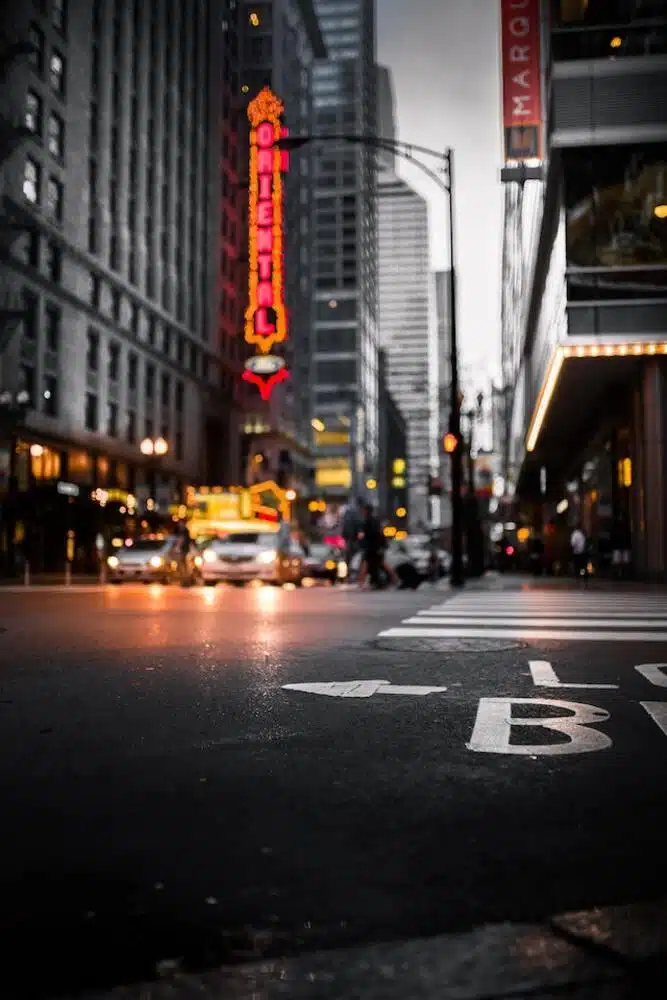
Advancements in Vehicle Technology for Intersection Safety
The auto industry has made significant strides in developing technologies that enhance intersection safety.
From automatic braking systems that intervene when a collision is imminent, to traffic sign recognition systems that alert the driver about upcoming signals and signs, these advancements are a game-changer.
With the dawn of autonomous vehicles, we can look forward to more advancements that will further mitigate intersection-related accidents.
Role of Urban Planning in Improving Intersection Safety
Beyond personal driving habits and vehicle technologies, the design of our urban landscape plays a massive role in intersection safety.
Effective urban planning strategies, such as improved signage, better road lighting, and smarter intersection design, can significantly reduce intersection-related incidents.
We’re on the precipice of infrastructural developments that can lead to safer intersections.
Conclusion
Navigating intersections safely demands understanding, skill, and attention.
Familiarity with the rules of the road, defensive driving strategies, and leveraging technologies can significantly reduce the risks involved.
Furthermore, improved infrastructure and urban planning offer promising prospects for future safety. As road users, it’s our collective responsibility to ensure the safety of ourselves and others.
Make safety your priority every time you approach an intersection.