
Window tinting is a common modification many vehicle owners choose to enhance their car’s aesthetics, reduce interior heat, and provide UV protection.
However, finding the perfect window tint is not merely about personal preferences and practical benefits; legal compliance plays a crucial role as well.
Laws regarding window tinting vary significantly nationwide, imposing restrictions on factors like tint darkness, reflectivity, color, and which windows can be tinted.
Understanding these laws is fundamental in the tint selection process to ensure a lawful and satisfactory outcome.
Understanding Window Tint
Window tinting is a process where a thin laminate film is applied to the interior or exterior of glass surfaces, primarily in automobiles.

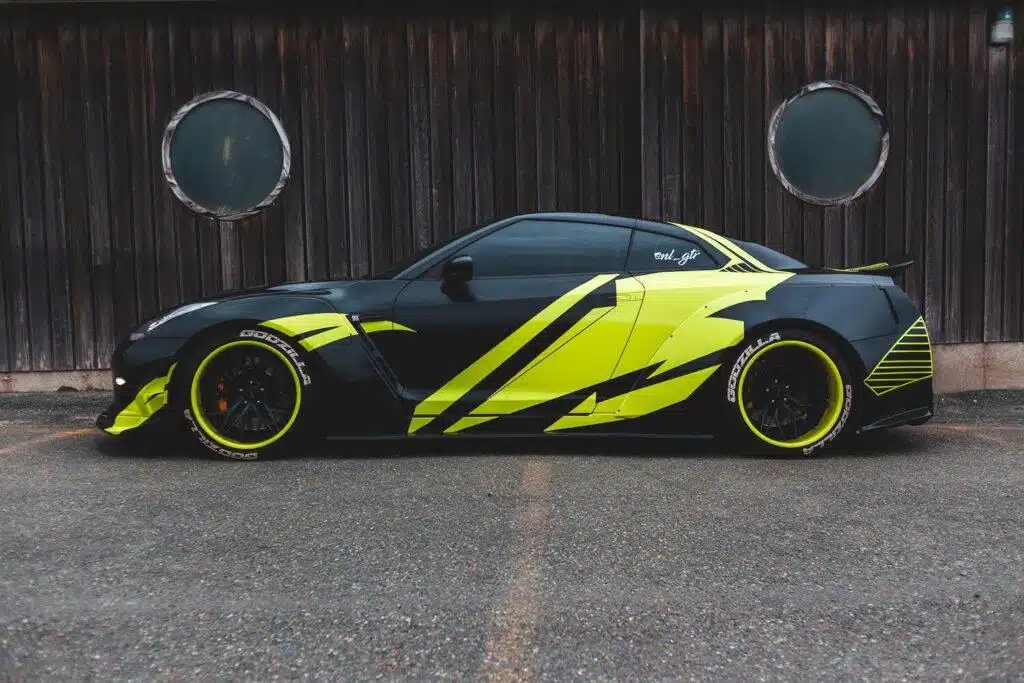
Developed in the 1960s, its primary purpose was to control the amount of sunlight entering the vehicle.
Today, tints serve not just to control light, but also to enhance vehicle appearance, block UV rays, and reduce heat.
Factors to Consider when Choosing Window Tint
When choosing window tint for your vehicle, there are several key factors you should consider to ensure you get a product that fits your needs, complies with legal requirements, and offers lasting quality.
Here’s a more detailed look at these factors:
- Material Quality: The quality of tinting materials is crucial. There are various types of tints available including dyed, metalized, carbon, ceramic, and hybrid. Each comes with its own set of pros and cons regarding durability, effectiveness in heat and UV ray reduction, and cost. Higher quality materials typically provide better performance and longer-lasting results.
- UV Protection and Heat Reduction: Tinting your windows is an excellent way to protect against harmful UV rays that can cause skin cancer and damage your car’s interior. Look for a tint that blocks out 99% of UV rays for the best protection. Furthermore, consider the tint’s heat reduction capabilities. High-quality tints can significantly decrease the temperature inside your vehicle, enhancing comfort and potentially improving fuel efficiency.
- Installation Process: Tinting can be done professionally or as a DIY project. While DIY kits may seem more affordable upfront, they often lack the smooth finish and durability of professional installations. Professionals not only have experience working with tints, but they may also provide a warranty on their work.
- Aesthetics: While practical benefits are significant, the appearance of the tint also matters. You’ll want a tint that enhances your vehicle’s overall aesthetic rather than detracts from it. The color and shade of the tint can significantly impact the look of your car, so consider this carefully.
- Legal Compliance: It’s essential to familiarize yourself with local laws and regulations regarding window tinting before making a decision. In many places, laws restrict the darkness of the tint, reflectivity, color, and which windows can be tinted. Compliance with these laws is crucial to avoid fines or the need for reinstallation.
- Cost: Window tinting can range from inexpensive to quite costly, depending on the factors mentioned above. When considering the cost, remember to factor in the potential savings from increased fuel efficiency and the potential cost of fines or reinstallation if the tint doesn’t comply with local laws.
Window Tint Laws and Regulations
Understanding window tint laws and regulations is an essential aspect of selecting the perfect tint for your vehicle.
These laws vary significantly from one jurisdiction to another, each with its own set of rules concerning tint darkness, reflectivity, color, and the specific windows that can be tinted.
In terms of darkness, laws typically regulate the percentage of Visible Light Transmission (VLT), this refers to the amount of light that can pass through the window. For instance, a VLT of 35% means 35% of the visible light will pass through, while the rest is blocked.
The lower the VLT percentage, the darker the tint. In many places, the allowed VLT percentage differs depending on the car window in question (front side windows, rear side windows, rear window, or windshield).
Reflectivity of the tint is another aspect regulated by law. Highly reflective tints can reduce heat and glare inside the car but can also cause issues for other drivers due to reflected sunlight or headlights.
Therefore, some jurisdictions limit the reflectivity of tints to maintain road safety.
In terms of tint color, some colors are often prohibited to ensure visibility into and out of vehicles while black and gray are generally acceptable, colors like red or blue may be restricted.
Lastly, most jurisdictions have rules about which windows can be tinted. Windshields, for example, often have stricter regulations due to visibility concerns.
Infringement of these laws can result in fines or even the removal of the tint. Therefore, before tinting your windows, it’s essential to consult your local laws or a professional tinting service.
Making the Final Decision: Balancing Preferences, Practicality, and Law
The final decision in choosing a window tint involves a delicate balance between personal preferences, practical benefits, and legal compliance.
While your aesthetic preference is important, it should align with the tint’s practicality in terms of UV protection, heat reduction, and durability.
High-quality tints can offer an ideal blend of looks and functionality, contributing to a more comfortable and safe driving experience.
The legal aspect should never be overlooked, even if a particular tint appeals to you in terms of looks and performance, it might not comply with local laws and regulations.
Research your local tint laws to avoid costly penalties or having to reinstall the tint.
In terms of cost, while higher-end tints may require a greater initial investment, they often prove more cost-effective in the long run due to their durability and performance.
Ultimately, the best window tint for your vehicle should meet your needs, satisfy your preferences, offer practical benefits, and comply with the law.
Conclusion
Finding the perfect window tint can greatly enhance your vehicle’s aesthetic appeal and functionality.
By carefully considering the quality and type of tint, installation process, cost, UV protection, heat reduction, aesthetics, and local laws, you can find a solution that best suits your needs and complies with local regulations.
The perfect tint is out there – you just need to know what to look for.