
Individuals with missing or failing teeth often look to dentures or bridges to replace these teeth.
However, another option remains available that needs consideration.
Dental implants serve as a viable solution to this common problem.
What does a person need to know about these implants before deciding which replacement option best meets their needs?

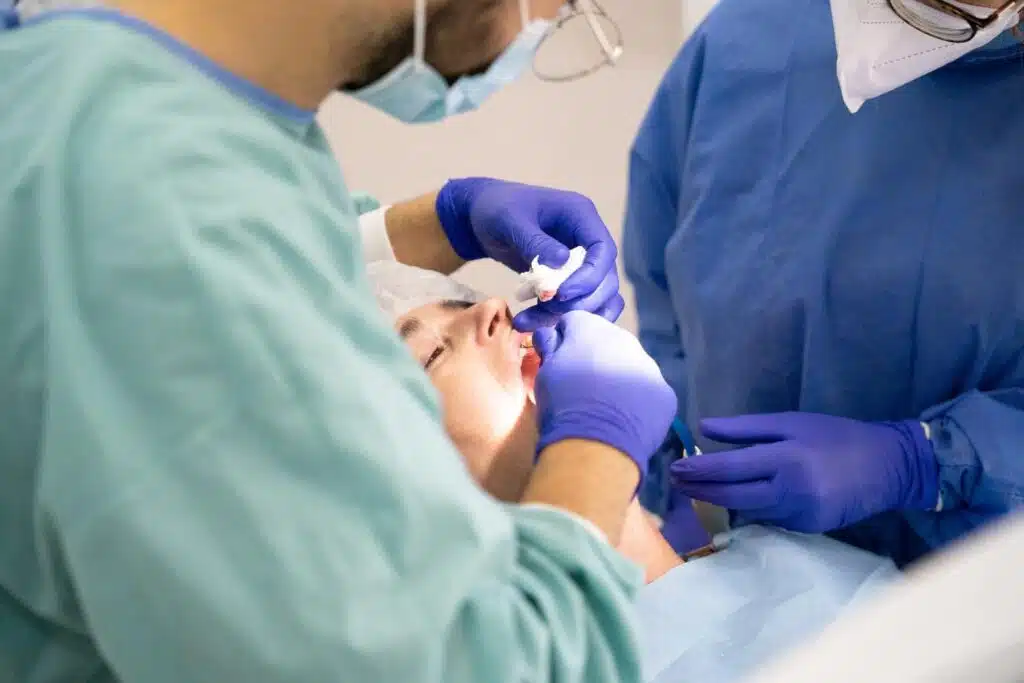
The Dangers of a Missing or Failing Tooth
A person might assume a missing or failing tooth is nothing more than an inconvenience.
If this tooth is in the back of the mouth, they may choose to leave it alone or have it extracted.
However, when a person loses a tooth, bone loss becomes a concern. The person may struggle to speak clearly or find they cannot chew on that side of the mouth.
Fortunately, the Best Dental Implants resolve these issues and more.
What is a Dental Implant?
A dental implant serves as a medical device that is surgically implanted in the patient’s jaw to restore their appearance and their ability to speak and chew properly.
In addition, the implant prevents other teeth in the mouth from shifting into the open space and negatively affecting their bite.
The dental implant comes with an implant body and abutment, and it may come with a fixation screw for the abutment.
The dental professional inserts the implant body into the jawbone to replace the root of the natural tooth.
Once the body fuses with the jawbone, a process that takes time, this professional attach the abutment to the implant body using the screw.
An artificial tooth is then connected to the implant body to replace the natural tooth.
Good Candidates
Healthy adults serve as the best candidates for dental implants.
For example, smokers often find their dental implant doesn’t take.
Furthermore, certain patients cannot undergo this procedure because of the health conditions they have.
When speaking with the dentist about replacement options for a missing or failing tooth, share all information regarding your health status to ensure you make the right choice.
Caring for a Dental Implant
Patients must understand how to care for the implant once it is in place. Regular checkups with the dentist remain essential.
Furthermore, you must brush and floss the implant and surrounding teeth.
If the implant is painful or loose, call the dentist immediately for an appointment.

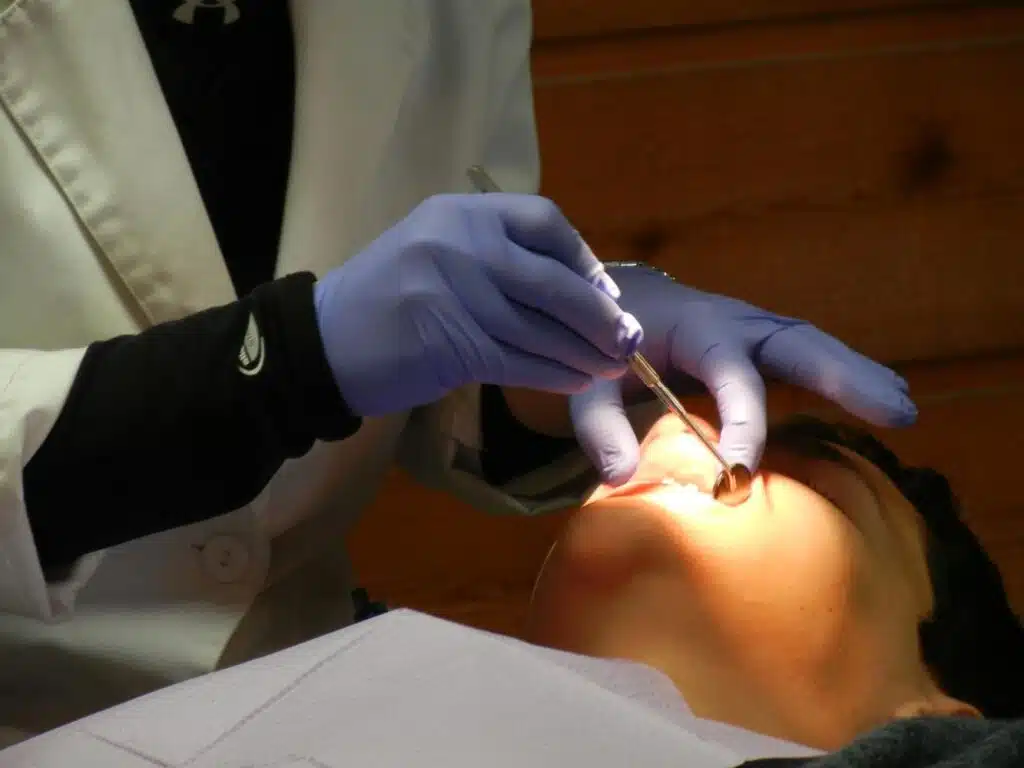
Benefits of Dental Implants
Dental implants offer numerous benefits.
They improve the patient’s quality of life and their overall and oral health. The implant restores the individual’s ability to chew and speak properly.
It restores their smile and cosmetic appearance while ensuring the jawbone doesn’t shrink because of bone loss.
Furthermore, the implant stabilizes the adjacent teeth while preserving gum and bone health. A person finds their overall quality of life improves with a dental implant.
Risks of Dental Implants
However, individuals must work with a dental professional who has experience with dental implants.
An unskilled practitioner could injure the surrounding tissue when placing the implant or damage the natural teeth.
The implant may not function properly if the dentist lacks the knowledge and skill to place it correctly, and the patient may find the implant feels as if it is loose or twisting when they eat and speak.
These serve as only a few complications seen with dental implants, which is why the choice of the dental practitioner remains critical.
Consider implants if you have one or more missing or failing teeth.
Many patients find this is the right solution for their situation. It never hurts to ask about all available options, as this ensures you get the one that best meets your needs.