
Friendships can feel unshakable in the moment, but time and life have a way of creating distance. Whether it’s big changes, small misunderstandings, or simply growing into different people, even the best of friends can drift apart.
It doesn’t always mean the love is lost, but understanding the reasons behind the distance can bring clarity and even peace. Let’s explore 18 common reasons why longtime friends often find themselves on different paths.
Different Life Priorities Emerge

As people age, their priorities naturally shift. One friend may focus on building a career, while the other is preoccupied with starting a family.
These differing paths often leave little room for the same shared experiences that once bonded them. Life simply pulls them in different directions.
Physical Distance Creates Challenges

Moving to a new city or country can significantly impact a friendship. Without the convenience of proximity, maintaining a strong bond requires effort.
Long-distance friendships often fade when regular meetups are replaced by infrequent calls or messages.
Like Kelly’s thoughts on things? Follow us on MSN.
Major Lifestyle Changes Occur

Big life events, like marriage, having kids, or even a change in religion, can cause friends to drift apart. These milestones may create gaps in shared interests or lead to unintentional neglect of the friendship.
A Lack of Communication

Friendships thrive on communication. When it dwindles, misunderstandings and assumptions can creep in.
Over time, this lack of dialogue can make even the closest friends feel like strangers.
Growing Into Different People

Personal growth is inevitable, but it doesn’t always happen at the same pace or in the same direction. As values, goals, and interests change, friends may find they no longer connect on the same level.
Like Kelly’s thoughts on things? Follow us on MSN.
Unresolved Conflicts Linger

Even small arguments can lead to long-term rifts if they’re never addressed. Over time, resentment can build, creating a silent barrier between friends that’s hard to overcome.
New Friendships Take Priority

Meeting new people often brings excitement and fresh connections. While there’s nothing wrong with forming new bonds, it can unintentionally leave old friendships feeling neglected or overshadowed.
Work and Family Responsibilities Take Over

The demands of adulthood can leave little time for maintaining friendships. Between juggling careers, parenting, and personal obligations, friends may find it difficult to carve out time for one another.
Like Kelly’s thoughts on things? Follow us on MSN.
Different Financial Situations

Money can be an unspoken barrier in friendships. One friend may have the resources for expensive outings or travel, while the other does not.
This imbalance can create discomfort or even jealousy, driving a wedge between friends.
Romantic Relationships Shift Dynamics

When one friend enters a serious relationship, their priorities often shift. This can leave the other friend feeling excluded or less important, especially if the new relationship takes up the majority of their time and attention.
Negative Influences from Others

Sometimes outside influences, like a new partner or mutual friends, can create tension or mistrust. Gossip, jealousy, or differing opinions can erode the foundation of a once-strong friendship.
Like Kelly’s thoughts on things? Follow us on MSN.
A Lack of Effort From One Side

Friendships require effort from both parties. If one person is consistently reaching out while the other remains distant, the imbalance can lead to frustration and eventual disconnection.
Different Social Circles Form

As people expand their social lives, they often find themselves spending time with those who share their current interests or schedules. Old friends may inadvertently get left behind as new groups take center stage.
Misaligned Expectations

When one friend expects constant communication and the other is comfortable with occasional check-ins, disappointment can arise. Misaligned expectations about the friendship’s “rules” can lead to feelings of neglect or frustration.
Like Kelly’s thoughts on things? Follow us on MSN.
Envy or Competition Develops

Sometimes friends begin to compete without realizing it. Whether it’s over career success, relationships, or personal achievements, jealousy can strain a friendship until it finally breaks.
Emotional Distance Grows

Over time, friends may stop confiding in each other or sharing their innermost thoughts. This emotional distance can make the relationship feel shallow, leading both parties to drift apart naturally.
Cultural or Political Differences Surface
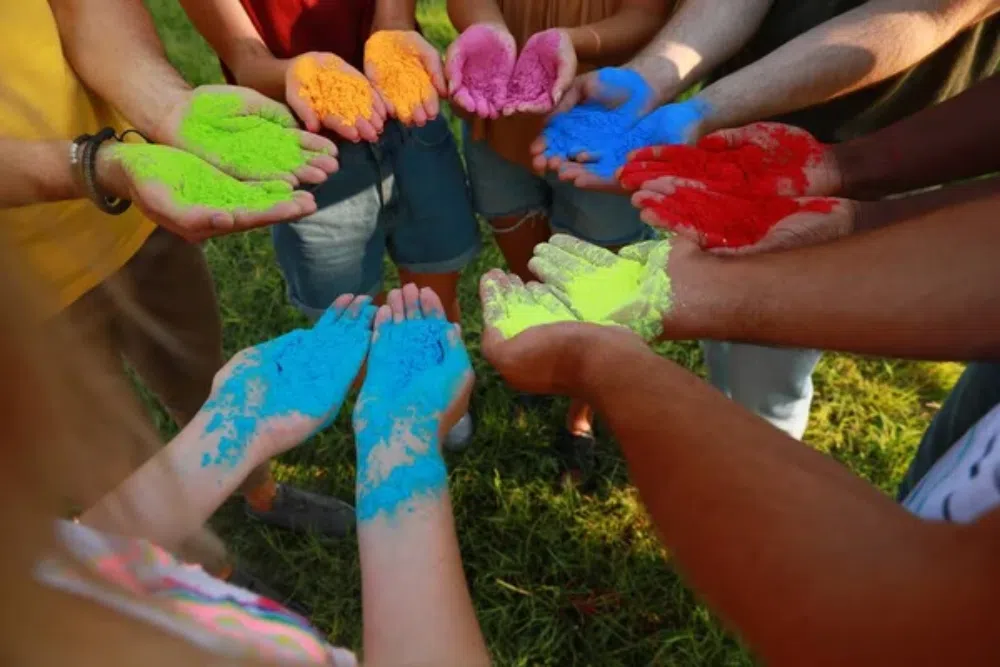
While some friends can embrace differing views, others find these divides too difficult to navigate. Heated debates or clashing opinions on sensitive topics can lead to tension and eventual estrangement.
Like Kelly’s thoughts on things? Follow us on MSN.
Friendship No Longer Feels Necessary

Sometimes, the truth is simple: the friendship has run its course. People outgrow relationships when they no longer serve their needs or align with who they’ve become.
It’s not necessarily a bad thing—just a natural evolution of life.
More From Kelly’s Thoughts On Things
- 7 Hamburger Restaurants That Aren’t Worth The Money
- Not Collectible: 7 Debts That Are No Longer Collectible
- 4 Grocery Chains in Danger of Going Out of Business
- 5 Fast-Food Chains That Are Struggling to Keep Doors Open
- 7 Vehicles Being Discontinued in 2025
Like Kelly’s thoughts on things? Follow us on MSN.