
Humidifiers are incredibly versatile and can be used in any home or business to help improve air quality, relieve allergies and asthma symptoms, and even reduce heating costs.
But where does a humidifier work best?
In this article, we’ll explore the benefits of using a humidifier in each room of your home so you can make an informed decision on where to place one.
Whether you’re looking for relief from dry skin due to winter weather or trying to reduce static electricity, there’s a place in your house that could benefit from increased moisture levels.
Keep reading to discover how investing in a humidifier can improve humidity levels throughout your entire space while providing several other health benefits.
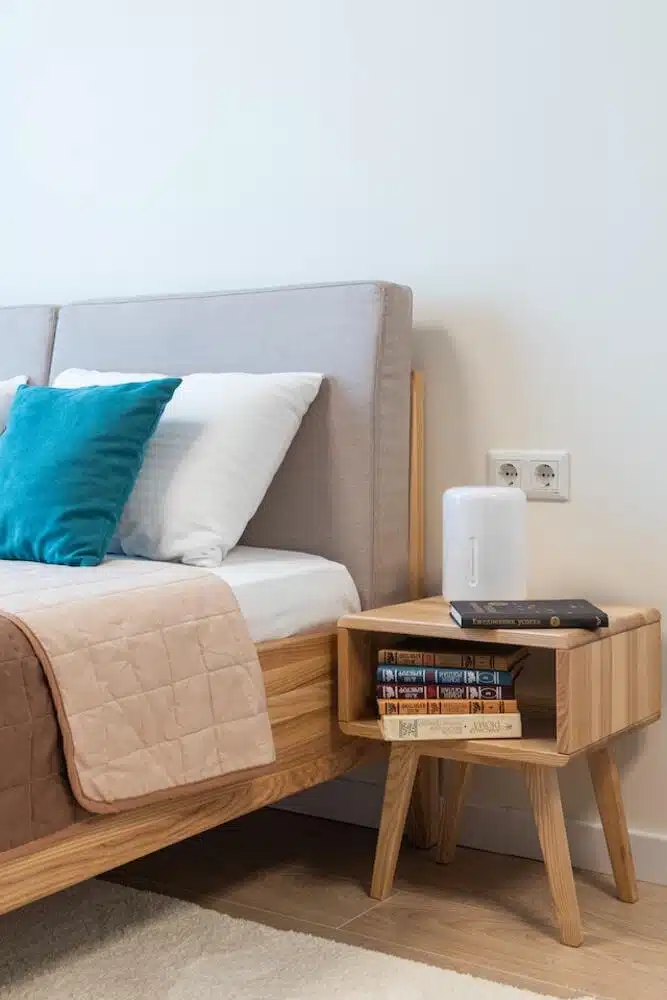
In the bedroom
Keeping your bedroom comfortable is essential; a humidifier can help achieve that comfort.
Humidifiers add moisture to the air, helping to reduce allergies and congestion by minimizing the number of pollutants in the room, making it easier to breathe while lying down at night.
Moreover, since warm air can hold more moisture than cold air, the environment in a bedroom equipped with a humidifier can be kept balanced and comfortable year-round.
As a bonus, sleeping in such a healthy environment may improve overall sleep quality, leading to better health during the day.
In short, a humidifier will not only provide extra comfort in your bedroom but also boost your health and well-being as well.
If you want a humidifier for dry throat specifically, you should look for humidifiers with a relaxed mist setting, and keeping it in your bedroom is the best option.
In the living room
Humidifying your living room is another excellent way to improve air quality and reduce allergies, asthma, sore throat, and dry skin symptoms.
The moisture added by the humidifier also helps to reduce static electricity, making it easier to watch TV or work on a computer without any annoying shocks.
Furthermore, since warm air can retain more moisture than cold air, your home will be cozy even during winter.
As a bonus, a humidifier in your living room can also reduce dust and other airborne pollutants which might trigger allergies or asthma symptoms.
If you suffer from respiratory problems or seasonal allergies, investing in a humidifier in your living room may help provide relief and improved air quality.
In the kitchen
Using a humidifier in the kitchen can help keep your cooking space safe from harmful bacteria, mold, and other contaminants while also helping to preserve the taste and quality of certain foods.
Additionally, humidifiers reduce static electricity generated using kitchen appliances such as electric mixers or food processors.
Finally, with proper humidity levels in the kitchen, you’ll find that surfaces such as countertops and cabinets will dry out slowly, which means fewer maintenance issues over time.
Additionally, with fewer airborne pollutants in the kitchen, there will be less chance of experiencing allergic reactions to cooking odors.
In the bathroom
Using a humidifier in the bathroom provides several benefits, such as protecting wooden fixtures from drying out and cracking due to low humidity levels.
Additionally, it helps reduce air pollutants that might be produced by beauty products or steam from a hot shower, thus reducing the risk of asthma or allergy symptoms.
A humidifier can also help keep bathroom surfaces clean and mold-free because increased moisture levels can help reduce the spread of germs and bacteria.
Finally, using a humidifier in the bathroom makes breathing easier while relaxing in a hot tub or taking a steamy shower and reduces eczema due to dry skin.
In the office
Using a humidifier in the office effectively improves air quality and reduces pollutants, thus helping prevent allergic reactions and respiratory irritation.
Humidifiers can also minimize static electricity generated when working on computers or other electronics.

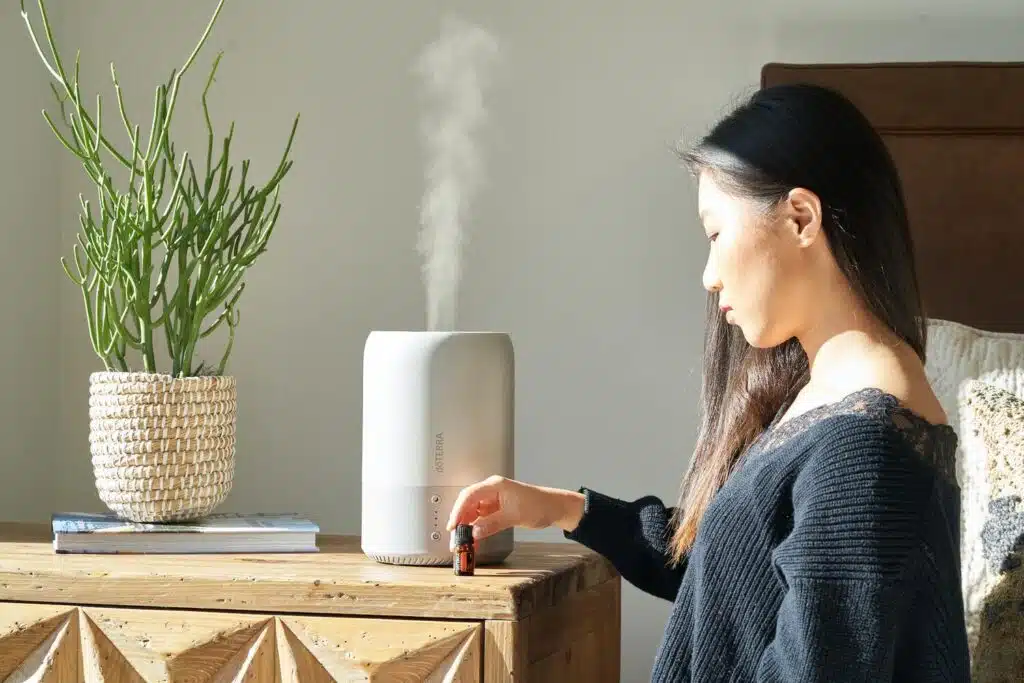
Additionally, with a steady humidity level inside an office space, it becomes easier to clean and dust surfaces, thus helping to reduce the spread of germs, bacteria, and other pollutants.
Finally, using a humidifier in the office can also help maintain wooden furniture and fixtures since moist air is less likely to cause cracking or warping than dry air.
Your kids’ room
Introducing a humidifier in your child’s bedroom will help reduce the symptoms of asthma and allergies and boost their overall health.
Humidifiers can also relieve dry throat and skin, which is especially important for children who have sensitive skin or suffer from seasonal allergy flare-ups.
Moreover, since children spend a lot of time indoors, using a humidifier will help reduce airborne pollutants inside the bedroom and provide cleaner air.
Finally, humidifiers can also be beneficial in helping your child sleep better by reducing static electricity, which might cause discomfort while sleeping.
Conclusion
Humidifiers are an effective way to improve the air quality in your home and reduce airborne pollutants which might trigger allergy or asthma symptoms.
They can help keep wooden furniture and fixtures from drying out, preserve food flavor in the kitchen, and make breathing easier during hot showers or while relaxing in a bathtub.