
An optometrist is a type of eye care professional qualified to prescribe eyeglasses, diagnose and treat certain eye conditions and evaluate the overall health of your eyes.
Optometrist, Ophthalmologist and Optician: What are the Differences?
Ophthalmologist: although an optometrist holds a doctorate degree in optometry, they did not attend medical school and are not medical doctors.
This is the main distinction between an optometrist and an ophthalmologist, who holds a doctorate degree in medicine. Ophthalmologists typically pursue years of study in their field after medical school graduation.
An ophthalmologist can diagnose eye diseases, prescribe corrective lenses, perform surgery and prescribe drugs.
An optometrist can do these things, too, but the scope of these is much more limited.
This scope of practice may vary from state to state, but in many states, optometrists can perform certain eye procedures and even prescribe controlled substances if the need for these is directly related to an eye condition.
Optometrists in most locations routinely prescribe antibiotics, steroidal drugs and prescription medications to treat dry eye syndrome. Of course, all can examine your eyes and give you a prescription to take to your optician or optical shop for eyeglasses.
Opticians fill ophthalmologists’ and optometrists’ corrective lens prescriptions, fit glasses, train in the use and care of contact lenses and help you choose a eyeglass frame.
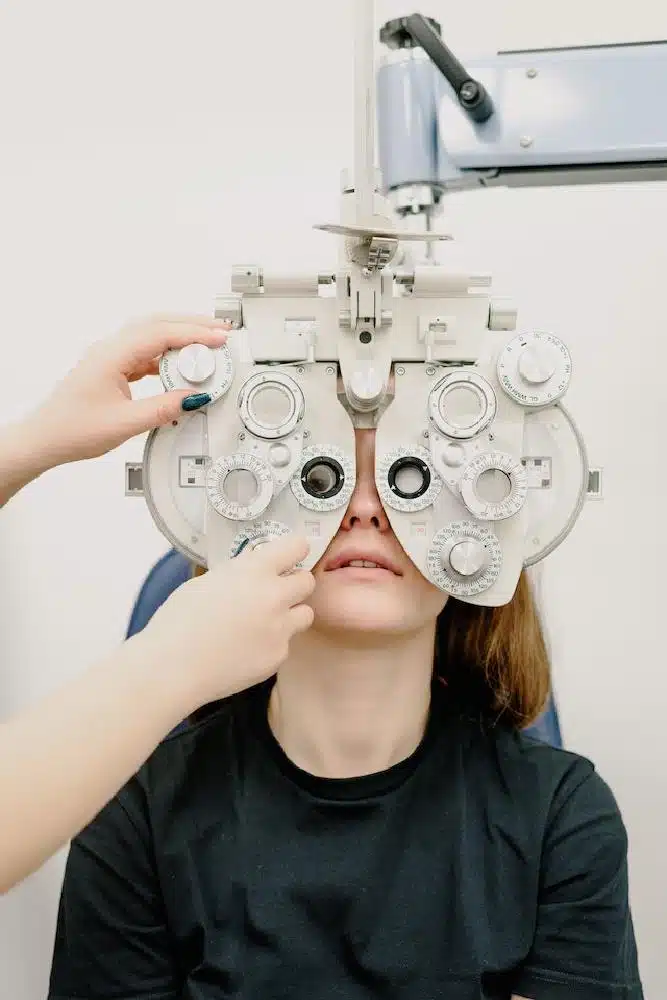
An optician will help you select the best frame for your prescription for both aesthetics and comfort. A skilled optician is a valued and important member of your eye care team.
Most optometrists have their own optical shops attached to their practice, but you do not have to purchase your eyeglasses there if you have another preference elsewhere.
Overall, a visit to an optometrist will cost considerably less than one to an ophthalmologist.
For routine eye exams, corrective lenses and certain eye conditions, it makes sense to see an optometrist.
If there is a need, he or she will refer you for further evaluation to an ophthalmologist. You can trust their judgement as to when this is necessary and when it is not.
What to Look for when Choosing an Optometrist
The best optometrists:
- Are always learning: all optometrists must take continuing education courses to keep their license to practice valid and current, but a great optometrist follows the newest information available in their field on a regular basis on their own interest and initiative.
- Are caring, competent, attentive, and compassionate: good doctors communicate well and listen to you carefully. They make frequent eye contact with you. If you feel rushed during your appointment or the doctor is dismissive of anything you say, you may not be getting the best care available.
While the optometrist cannot always keep every detail about you in his or her head, if you’re a regular patient they should remember your name and basic details about you.
Your medical history should be carefully documented and reviewed at every visit.
For example, if you have to remind the doctor about your prior diabetes diagnosis, this is a red flag.
Diabetes directly affects the eyes, and your doctor should be always aware that he or she is treating a diabetic patient.
- Are available for urgent care: no matter how wonderful your optometrist is, if he or she isn’t available when you really need them, what good is that to you? Of course, doctors cannot always be available to see you at all hours and times, but a good optometrist’s staff will make every effort to accommodate you for an emergency occurring during office hours. Office staff not concerned about your urgent eye problem is a good sign of a bad optometrist.
- Experience and training count. ask where the doctor went to optometry school and how many years of experience he or she has. This is not to say that a new optometry school graduate isn’t competent because this would not be true just based on their recent graduation. Every optometrist must complete the same stringent state board exams for licensure. However, there is no substitute for many years of actual patient treatment experience.
- Refer you for further care if necessary: ophthalmology is a highly specialized field. For example, some of these medical doctors treat only diseases of a certain part of the eye, such as the cornea or the retina. The best optometrists know when you need to see an ophthalmologist or specialist and will tell you that directly.
They keep a list of trusted eye care professionals for this purpose.
In an urgent situation, the doctor’s staff should call the referral doctor’s office on your behalf to get you an appointment as soon as possible.