
Dumpster rentals work by providing a temporary container for collecting and disposing of waste from projects such as home cleanouts, renovations, landscaping, and construction.
Customers select an appropriate container size, arrange delivery, load accepted materials, and schedule pickup when the project is complete. Understanding the process helps prevent overfilling, unexpected fees, and delays.
Glendale is a city in Los Angeles County with residential neighborhoods, commercial properties, and ongoing home improvement projects. Cleanup needs can vary from a small garage decluttering project to a major renovation that generates bulky debris.
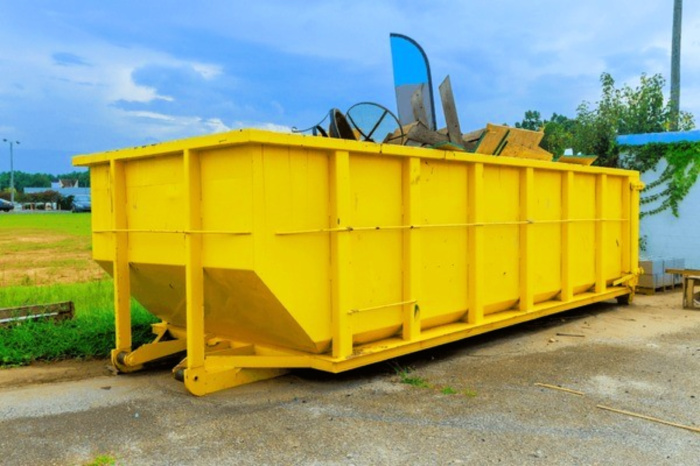
Arranging a dumpster rental in Glendale, CA, can make waste management easier by providing a designated place to collect materials during the project.
1. Choose the Right Dumpster Size
The first step is estimating how much waste your project will produce. Smaller containers may be sufficient for household clutter or a limited cleanup, while larger projects may require a higher-capacity dumpster.
Choosing a container that is too small can result in additional hauling trips or the need to rent a second unit. Choosing one that is too large may mean paying for unused capacity. Describe the project clearly when requesting a quote, including the type of waste and the approximate amount.
2. Schedule Delivery and Placement
After selecting a container, arrange a delivery date and decide where it should be placed. A driveway or private property may be suitable, provided there is enough room for the delivery truck and safe access for loading.
Check overhead clearance, gates, slopes, and nearby vehicles before delivery. If you need to place the container on a public street or another restricted area, determine whether local authorization or a permit is required. Requirements can depend on the location and how the container will be positioned.
3. Load the Dumpster Properly
Once the container arrives, load materials carefully and follow the provider’s instructions. Distribute debris evenly instead of placing most of the weight on one side. Break down large items when practical to make better use of the available space.
Keep all waste below the fill line and never allow debris to extend above the container’s rim. Overfilled dumpsters may be unsafe to transport and may not be collected until the load is corrected.
4. Understand What Materials Are Accepted
Not every type of waste can be placed in a standard dumpster. Ordinary household junk, furniture, wood, and some construction materials may be accepted, but hazardous chemicals, fuels, batteries, and certain appliances often require separate disposal.
Before starting, ask for a list of prohibited materials. If your project includes roofing waste, concrete, soil, electronics, or appliances, confirm whether the selected container can accommodate them. Weight restrictions can be just as important as volume limits.
5. Understand Pricing and Rental Periods
Dumpster rental prices may depend on container size, rental duration, delivery distance, disposal fees, and the weight of the load. Some quotes include a set amount of weight, while others may charge extra when that limit is exceeded.
When comparing dumpster rentals in Glendale, CA, ask what the quoted price includes. Confirm the rental period, extra-day charges, weight allowance, prohibited items, and potential overage fees. A clear quote makes it easier to budget accurately.
6. Arrange Pickup When the Project Is Complete
Once the dumpster is loaded, contact the provider to schedule pickup or confirm the previously arranged collection date. Make sure the container is accessible and that nothing obstructs the truck.
Avoid continuing to load the container after confirming that it is ready for pickup. If the project takes longer than expected, contact the provider early to discuss an extension rather than assuming the rental period can be extended automatically.
7. Keep the Work Area Safe
Place debris carefully and avoid throwing heavy items from unsafe heights. Keep children and pets away from the loading area, and use suitable protective equipment when handling sharp or heavy materials.
For larger cleanouts or renovation projects, keeping materials organized can reduce loading time and help prevent injuries.
Summary Points
- Estimate the amount and type of waste before choosing a dumpster.
- Confirm delivery access and placement requirements.
- Keep debris below the fill line and distribute weight evenly.
- Check prohibited materials before loading.
- Review rental periods, weight limits, and extra fees.
- Arrange pickup promptly and keep the container accessible.