
Titanium CNC machining and tool and die manufacturing are two critical processes in the world of modern manufacturing.
The aerospace, medical, and automotive industries rely heavily on the precision and accuracy of these processes to create high-quality products.
In this blog post, we’ll explore the basics of titanium CNC machining and tool and die manufacturing, as well as their applications and benefits.
Titanium CNC Machining
Ward CNC says that CNC (Computer Numerical Control) machining is a manufacturing process that uses computer software to control the movement and operation of machines.
This type of machining can produce parts and components with high precision and repeatability.
The use of CNC technology in titanium machining is particularly critical, given titanium’s unique properties.

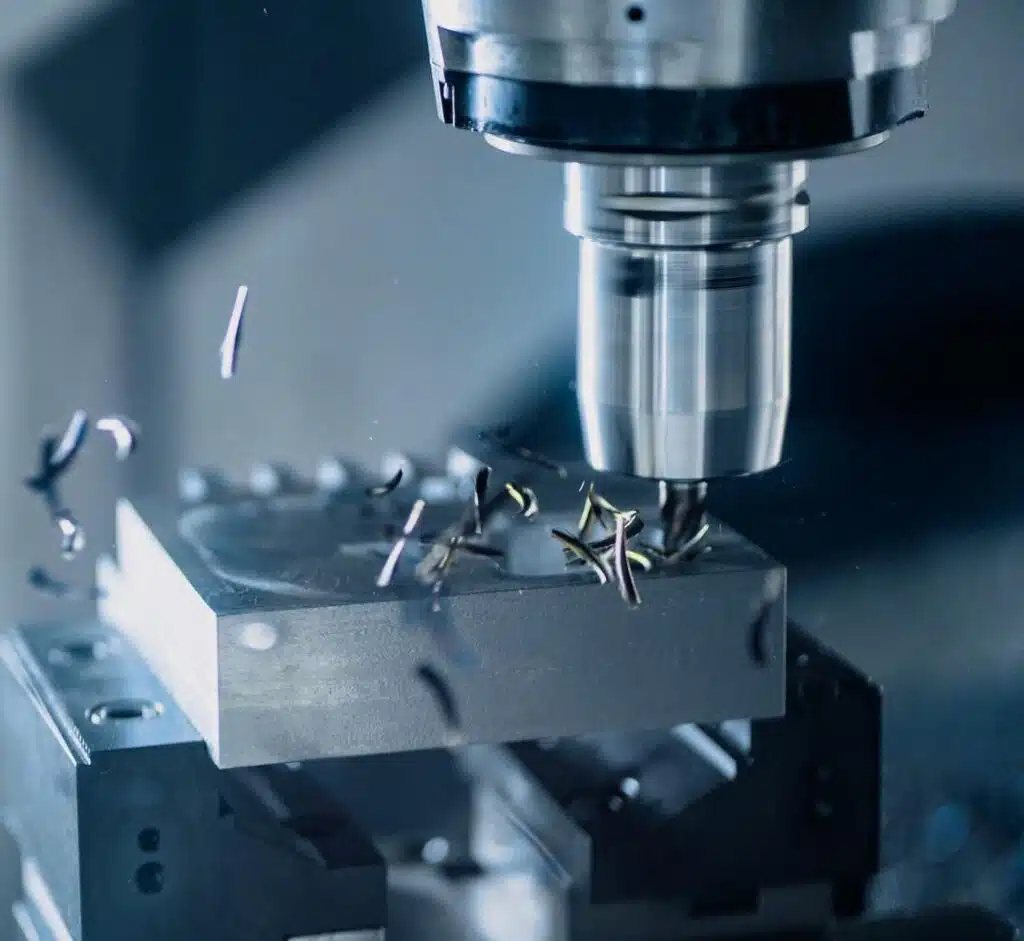
Titanium is a lightweight and strong metal that is also highly resistant to corrosion. It is used extensively in the aerospace and medical industries, where strength, weight, and biocompatibility are essential.
However, titanium is also difficult to machine due to its low thermal conductivity, high chemical reactivity, and low modulus of elasticity.
To machine titanium, manufacturers need to use specialized cutting tools, cutting strategies, and CNC machines that are designed for this material.
One of the most significant benefits of titanium CNC machining is its ability to produce complex shapes and geometries.
The precision and repeatability of CNC machines make them ideal for machining parts with tight tolerances, such as those found in aerospace components, medical implants, and sporting equipment.
Another significant advantage of CNC machining is its ability to reduce lead times and increase productivity.
CNC machines can work continuously without the need for manual intervention, reducing the time required to produce a component. This is particularly important for the aerospace and medical industries, where lead times and costs are critical.
Tool and Die Manufacturing
Tool and die manufacturing is the process of creating specialized tools and dies used in manufacturing processes.
These tools are used to shape, cut, and form materials into precise shapes and sizes. Tool and die manufacturing is essential in many manufacturing industries, including automotive, aerospace, medical, and defense.
Tool and die makers use specialized equipment such as lathes, grinders, and milling machines to create custom tooling for specific manufacturing applications.
They must also have expertise in materials, machining techniques, and design principles to create tools that are both effective and efficient.
One of the most significant benefits of tool and die manufacturing is its ability to produce custom parts and components.
Tool and die makers can create tools that are specifically designed for a particular manufacturing application, ensuring optimal performance and efficiency. This is particularly important in industries such as aerospace and medical, where precision and accuracy are essential.
Another significant advantage of tool and die manufacturing is its ability to reduce lead times and increase productivity.
Custom tooling can be designed and manufactured quickly, reducing the time required to set up and produce a part.
This is particularly important in industries such as automotive and aerospace, where lead times and costs are critical.
Challenges of Titanium CNC Machining and Tool and Die Manufacturing
Titanium CNC machining and tool and die manufacturing pose several challenges to manufacturers. These challenges include:
Material properties: Titanium is a notoriously difficult material to machine, and tool and die makers must use specialized tooling and cutting strategies to achieve the desired results.
Precision requirements: Many industries require high-precision components, which can be challenging to achieve in both CNC titanium machining and tool and die manufacturing.
Cost: CNC machines and tool and die making equipment can be expensive, making it difficult for smaller manufacturers to invest in these technologies.
Skilled labor: Both titanium CNC machining and tool and die manufacturing require skilled labor, and there is currently a shortage of skilled workers in many manufacturing industries.
Conclusion
In conclusion, titanium CNC machining and tool and die manufacturing are critical processes in modern manufacturing industries such as aerospace, medical, and automotive.
These processes require specialized equipment, cutting strategies, and skilled labor to produce high-precision components and custom tooling.
Despite the challenges posed by titanium’s unique properties, the benefits of CNC machining and tool and die manufacturing include increased productivity, reduced lead times, and the ability to produce custom parts and components.
As technology continues to evolve, manufacturers must invest in these processes to remain competitive and meet the demands of their customers.