
The bathroom is a cornerstone of the modern home, but with its many essential tasks—cleaning, showering, and toileting to name a few—it’s no surprise that even the most well-maintained bathrooms eventually display signs of wear and tear.
If you’re struggling to restore your bathroom to its best condition then look no further; this guide outlines the most common problems in bathrooms and how to fix them.
We will help you learn all about what causes these issues, from broken bathtub drains clogged with hair down to faulty plumbing fittings, as well as practical advice for how it can be rectified.
Uncover the secrets for creating an attractive and durable new “home away from home” without breaking the bank or having sleepless nights!


Plumbing
Plumbing issues in the bathroom can be a major nuisance—from running toilets to clogged drainers, even the smallest of problems can cause a huge headache.
Knowing how to properly maintain and repair bathroom plumbing is essential to keep these issues at bay and ensure long-term efficiency.
From fixing leaking pipes to unclogging sinks, some pieces of knowledge are key in making sure your bathroom plumbing remains in top condition.
Understanding how each component of your bathroom plumbing interacts with each other will give you the tools you need to tackle any major or minor problem that arises.
How to Tackle Clogged Toilets and Drains
Clogged toilets and drains can quickly disrupt the flow of your home or office. From slow draining to blocked pipes, these issues are easily fixed with the right tools and approach.
Fortunately, you don’t need to be a professional plumber to find success in tackling clogged toilets and drains.
First, identify which type of clog you’re dealing with; this determines how you should proceed. If it’s a low-level clog, manual disruption with a plunger may suffice.
Otherwise, more advanced methods like plumbing snakes or bleach mixtures can help remove even large blockages.
Restoring the flow of your toilet or drain requires patience and persistence – but it’s nothing that can’t be managed with the right DIY resources!
Tips for Removing Calcium Deposits from Faucets
Calcium deposits can make even the most stylish faucets look dated and unpleasant.
Thankfully, removing these pesky white stains is not as difficult as it might seem! Start by unscrewing the aerator.
Then fill a bowl or container with equal parts vinegar and water and submerge the aerator in the diluted vinegar solution for 15-30 minutes. This will dissolve any calcium deposits on the aerator and debris blocking your faucet’s water flow.

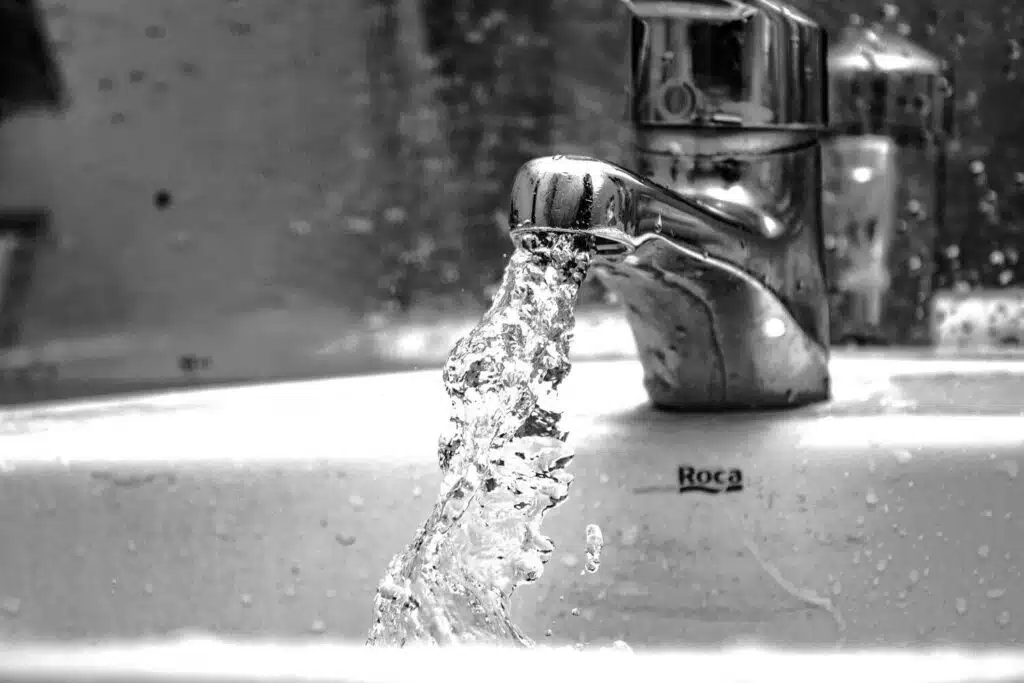
After soaking, rinse the aerator with cold water and keep turning it to remove any residue from within its threads.
Make sure to thoroughly dry your faucet aerator before reassembling it after cleaning so you don’t have future issues down the line.
With these simple steps, you can see immediate results in removing calcium buildup from your sink fixtures!
This guide outlines the most common problems in bathrooms and how to fix them.
From plumbing issues like clogged drains or running toilets to calcium deposits on faucets, several different problems can arise in any bathroom.
However, with the right knowledge and DIY approach, many of these issues can quickly be resolved without the need for an expensive plumber.
With a little bit of patience and the right resources, you can restore your bathroom to its former glory in no time!