
When it comes to frozen food, you should know a few essential dos and don’ts before starting.
Freezing food can initially seem daunting, but with the proper knowledge and preparation, you can safely store your food for extended periods.
Here are some excellent tips to help you along the way:
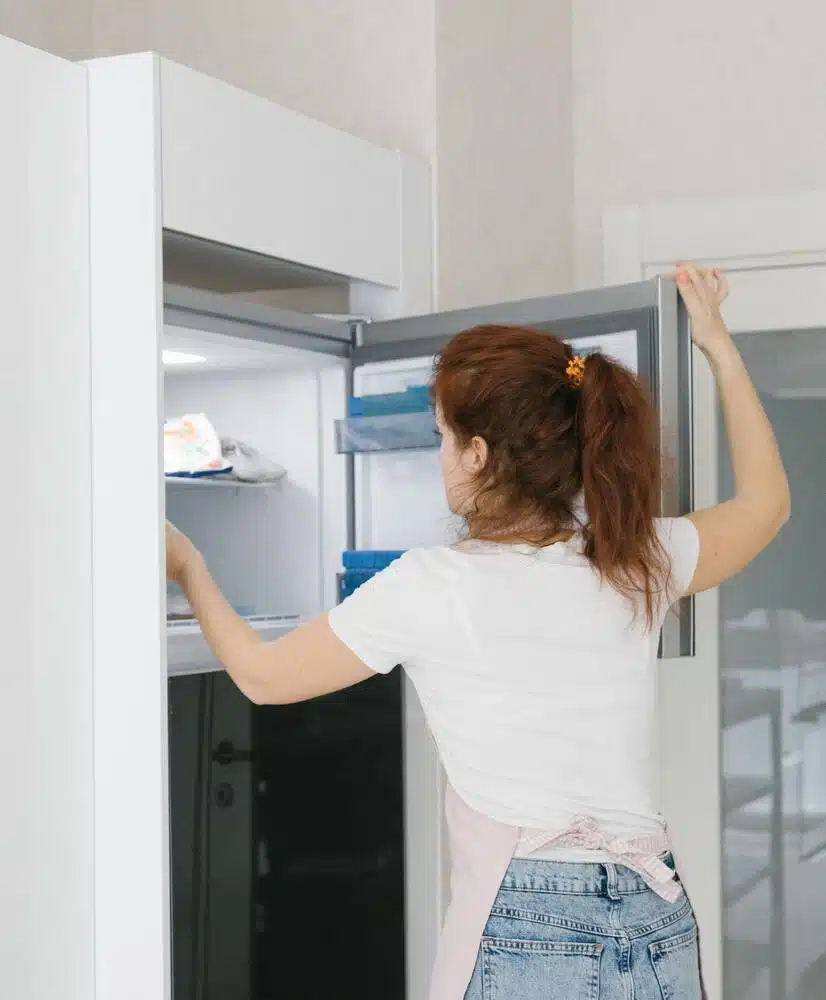
Do
- Ensure all foods are thoroughly cooked before freezing, ensuring that any harmful bacteria or spores have been killed during cooking. You should also cool foods down quickly to reduce the risk of multiplying bacteria before they enter the freezer.
- Label all packaging clearly with the product’s name and when it was frozen, which will help you track which foods are stored in the freezer and when to use them.
- Separate different types of food into smaller portions, making it easier to defrost what you need and reducing the risk of wasting food.
- Use airtight packaging for all foods going into the freezer, which helps to reduce moisture loss and protect your food from freezer burn or odors from other items.
Don’t
- Don’t freeze raw eggs or dairy products such as milk, cheese, or cream. These can become unsafe if frozen and thawed multiple times, so it’s best to cook these first before freezing them.
- Avoid leaving food in the freezer for too long. Most foods will lose quality after three months, so it’s best to stick to a strict rotation schedule and use older items first.
- Don’t freeze hot liquids or overly wet foods. These can cause frost on other items, resulting in icy patches of food, making them challenging to defrost evenly.
- Refrain from refreezing thawed foods, as this can cause bacteria growth which could make you ill if eaten. If you need to store cooked meals for longer than a few days, consider freezing them in an airtight container before cooking.
The best containers to use for freezing food
The best containers for freezing food are those made specifically for this purpose. Glass jars and plastic storage containers are both excellent choices, provided they are airtight.
There must be no air exchange between the container and the outside environment to prevent freezer burn or contamination.
Glass jars with screw-on lids are a great choice because they’re easy to seal tightly, giving you an airtight barrier between the food and external elements.
However, glass jars may be less durable than plastic, so take care when transporting them. Plastic containers with snap-on lids can provide an even tighter seal since their lids lock in place with a tight seal.
These containers also tend to be more resistant to cracking and other damage caused by changes in temperature compared to glass jars. Find more plastic containers at this site; https://cmjjgourmet.com/.
Another option for freezer storage is vacuum-sealed bags or rolls. Vacuum sealing removes air from the bag or roll, which helps preserve the quality of frozen foods better than regular plastic storage bags.
The bags must be pre-heated before filling, then sealed with a vacuum sealer machine for maximum protection against bacteria and freezer burn.
No matter the container you choose, ensure it’s suitable for storing food in a deep freeze where temperatures reach -18°C (0°F).
Containers from materials like polystyrene or polyvinyl chloride (PVC) can become brittle or break down when frozen at these temperatures. In contrast, metal containers may rust over time due to ice formation on their surfaces.
How to safely defrost your frozen food?
When safely defrosting frozen food, there are a few essential steps.
Firstly, it’s crucial to defrost food slowly, helping ensure the food isn’t dangerous, as bacteria can multiply quickly under certain conditions.
To do this, move your food from the freezer directly to the refrigerator and allow it to thaw gradually over several hours or overnight.
If you need to speed up the process, you can put your frozen food in cold water. Ensure the water is changed every 30 minutes, and do not let your food sit at room temperature for too long, as this could cause bacteria growth.
You may also consider using a microwave to defrost your food, but this should only be done if the food is intended for immediate consumption afterward.
It’s also essential to cook all foods immediately after thawing them out. Refreezing foods that have already been thawed will increase the risk of bacterial contamination, so plan when defrosting!
Lastly, never refreeze raw meat or fish, as these must be cooked entirely after thawing due to their high risk of contamination.
These tips will help ensure your frozen foods remain safe throughout storage and cooking.
Remember that taking extra care when it comes to freezing and defrosting your foods will help keep them safe for consumption, so remember to label and date all packages before storing them.
Conclusion
Freezing food is a great way to extend its shelf life and preserve its nutritional content.
However, it’s important to remember the dos and don’ts of freezing food to ensure your meals remain safe and nutritious.
Follow these guidelines for the best results: use the proper containers for freezing; defrost slowly using cold water or the refrigerator; never refreeze raw products like meat or fish; label and date all packages before storing them.
With these tips, you’ll enjoy delicious and healthy frozen meals without worries.