
Interior design has evolved significantly over the past decade, with artificial plants emerging as a sophisticated solution for bringing nature indoors without the maintenance challenges of living greenery.
Modern faux plants have transcended their plastic predecessors, offering realistic aesthetics that even plant enthusiasts find impressive.

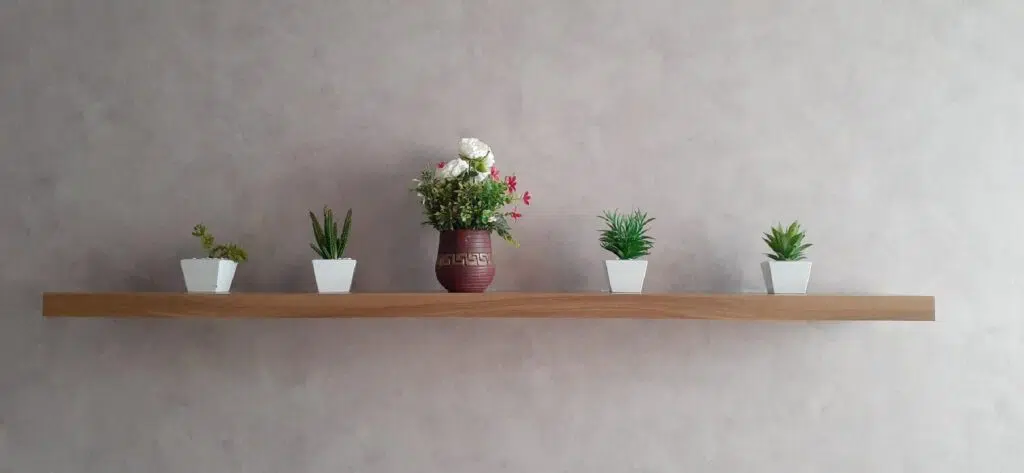
The Evolution of Artificial Plants
Today’s artificial plants bear little resemblance to the obviously fake varieties of the past.
Advanced manufacturing techniques utilize high-quality materials that replicate the texture, color variations, and natural imperfections of real plants.
From the delicate veining on leaves to the subtle color gradients found in nature, contemporary faux plants capture botanical authenticity with remarkable precision.
Benefits of Choosing Artificial Plants
The practical advantages of artificial plants make them increasingly popular for both residential and commercial spaces. They eliminate concerns about watering schedules, sunlight requirements, and seasonal changes while maintaining their appearance year-round.
For busy professionals, frequent travelers, or those lacking a green thumb, artificial plants offer the aesthetic benefits of greenery without the responsibility.
Allergy sufferers particularly appreciate faux plants, as they provide the psychological benefits of nature without triggering pollen sensitivities.
Additionally, artificial plants thrive in environments where real plants struggle, such as windowless offices, dimly lit bathrooms, or climate-controlled spaces with dry air.
Design Versatility and Applications
Artificial plants suit diverse design styles, from minimalist modern to rustic farmhouse aesthetics.
They can be positioned in challenging locations like high shelves, dark corners, or hanging installations where maintaining real plants would prove difficult or impossible.
Commercial spaces benefit significantly from artificial greenery, as they create welcoming atmospheres in lobbies, conference rooms, and retail environments without requiring ongoing horticultural expertise or maintenance contracts.
Hotels, restaurants, and office buildings increasingly incorporate faux plants into their design schemes for consistent, maintenance-free beauty.
Quality Considerations
Not all artificial plants deliver the same level of realism and durability.
Premium options feature UV-resistant materials that prevent fading, realistic weight and feel, and attention to botanical accuracy. High-quality stems, realistic root systems, and appropriate pot pairings distinguish superior products from basic alternatives.
When selecting artificial plants, examining the construction quality, material composition, and overall craftsmanship ensures long-term satisfaction.
Faux Natural represents the type of quality-focused approach that prioritizes realistic aesthetics and durable construction, offering options that enhance spaces with confidence and style.
Maintenance and Longevity
While artificial plants don’t require watering or fertilizing, occasional dusting maintains their fresh appearance.
Quality faux plants can last for years with minimal care, making them cost-effective investments compared to repeatedly replacing real plants.
Making the Right Choice
Consider your space’s lighting, existing decor, and desired aesthetic when selecting artificial plants.
Mixing different sizes and varieties creates natural-looking arrangements, while strategic placement enhances architectural features and improves spatial flow.
The artificial plant market continues expanding with innovative products that blur the line between faux and real.
As manufacturing techniques advance and design options multiply, artificial plants increasingly represent a sophisticated choice for creating beautiful, maintenance-free green spaces that enhance quality of life without the challenges of traditional plant care.