
Have you ever walked through a place and felt like time had stopped? It’s like the walls, the streets, and even the air carries stories that pull you into a world far removed from your own.
Historical destinations have a way of doing that. They transport you to eras you’ve only read about or seen in movies.
But here’s the thing: exploring these spots takes more than just showing up. The key to unlocking their full charm lies in the little details.
It includes being prepared, knowing what to look for, and soaking it all in at your own pace.
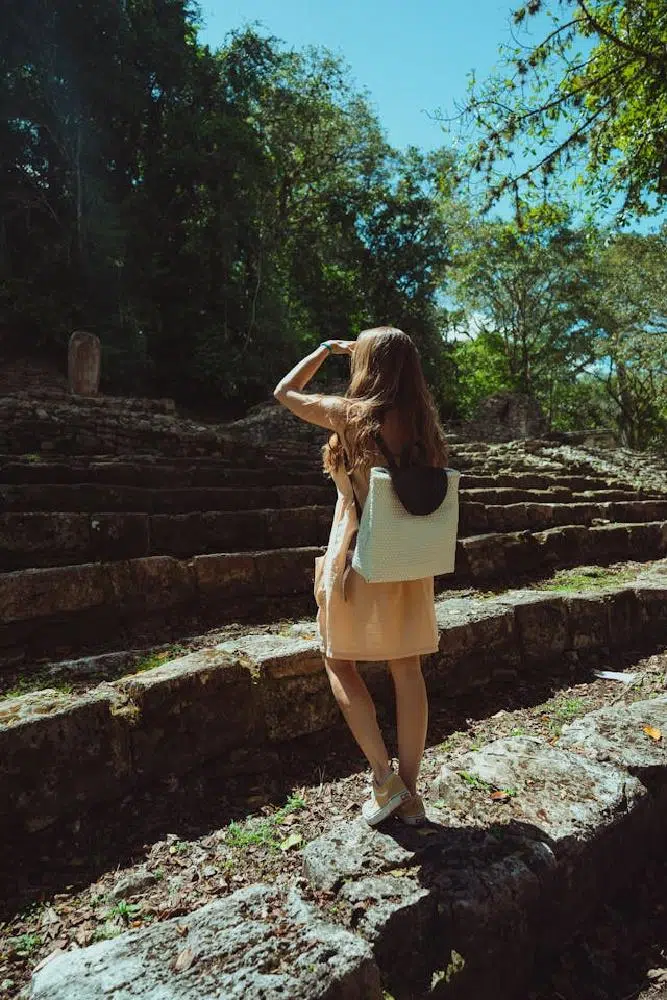
When done right, it’s not just a visit; it’s an unforgettable journey through time.
1. Do Your Research
Historical sites are filled with stories waiting to be uncovered. However, to truly appreciate them, it helps to do some homework. So, read about the place’s history, its people, and the events that shaped it.
Even a quick browse through an online article or a short documentary can provide context and make the visit more meaningful.
Knowing a bit about the culture, traditions, and layout of the site can also help you focus on the highlights instead of feeling overwhelmed.
When you arrive prepared, you’ll be able to connect with the history on a deeper level and notice details that others might overlook.
2. Consider Guided Experiences
Sometimes, exploring a historical site on your own can feel like missing half the story. Guided experiences can bridge that gap by offering insights, stories, and interpretations that make the past come alive.
For example, services like Pompeii tours and tickets provide access to knowledgeable guides. They unveil the hidden details of ancient ruins while helping you skip long queues.
These tours often highlight things you wouldn’t discover alone.
For example, the meaning behind certain artifacts or the daily lives of people who lived there. Whether you choose a private guide or join a group tour, it’s a chance to dive deeper into history without the stress of navigating unfamiliar spaces.
But make sure to rely on reputable services to make the experience both enjoyable and hassle-free.
3. Choose the Right Time to Visit
Timing can make or break your experience at a historical destination. Popular spots often attract crowds, especially during peak seasons or weekends. So, try to visit early in the morning or later in the afternoon.
This way, you can get a quieter, more immersive atmosphere.
Think about the weather, too. Ancient sites often involve walking outdoors, so visiting during cooler months or bringing plenty of water and sunscreen is a smart idea.
Besides, plan your visit for off-peak hours. It will help you enjoy the scenery and give you space to take in every detail without feeling rushed.
4. Pack Smart for the Journey
Comfort is key when visiting such destinations. Most sites involve plenty of walking, so wear shoes that can handle uneven paths. A lightweight backpack with essentials like water, snacks, sunscreen, and a hat can make a big difference.
Don’t forget a notebook or your phone. They will help you jot down interesting facts or capture quick sketches. Maps are also helpful, especially for sprawling locations where it’s easy to get turned around.
Most importantly, always check site rules, as some places may restrict food, drinks, or certain types of equipment.
5. Respect the Past
Remember, these sites are not just tourist attractions—they’re pieces of history. So, treat them with care. Stay on marked paths, avoid touching fragile structures, and always follow the rules posted around the site.
Being respectful also means keeping noise levels low and avoiding activities that might disturb other visitors.
Taking a moment to appreciate the quiet can help you feel more connected to the place and its history.
6. Embrace the Experience Fully
It’s easy to get caught up in taking pictures or rushing to see everything.
Yet, sometimes, the best moments happen when you slow down. So, take a moment to really look at the details. Focus on faded mosaics, ancient carvings, or the way sunlight hits a centuries-old wall.
Use all your senses. Imagine the sounds that once echoed through the streets or the smells from ancient marketplaces. These small connections can make your visit deeply personal and unforgettable.
7. Reflect After Your Visit
After leaving the site, take some time to think about what you’ve experienced. Was there something that surprised you? Did you learn something unexpected or gain a new perspective?
Journaling your thoughts or discussing with friends or family can make the experience even more meaningful. It’s also a great way to remember the details and emotions long after your trip.
Overall, reflection helps connect the past to your own story, making the visit truly unforgettable.
8. Explore Beyond the Main Attractions
Many sites are surrounded by lesser-known gems waiting to be discovered. Small museums, local eateries, or hidden trails can offer unique insights into the area’s history and culture.
So, don’t hesitate to ask for recommendations. They often know the best spots to visit or stories about the area that aren’t in any guidebook.
9. Immerse Yourself in the Local Culture
Historical destinations often have thriving local cultures that add depth to your visit. So, try local dishes, watch cultural performances, or participate in traditional crafts.
These experiences can complement what you learn at the site. They’ll provide a fuller picture of its historical and modern significance.
Engaging with locals can also give you fresh insights and stories that you won’t find in history books. It’s a chance to understand how the past still influences the present in these remarkable places.
Final Lines!
Exploring historical destinations is about more than seeing ancient walls or artifacts. It’s about stepping into another world and experiencing the echoes of the past firsthand.
By preparing well, embracing the moment, and reflecting afterward, you can turn your visit into a journey you’ll never forget.
So next time you stand in a place where history speaks through every corner, take a moment to listen.
The stories are there—they just need you to uncover them.