
Have you ever been taken by surprise after slipping on a wet floor? You probably felt embarrassed and panicked, wondering what to do next.
Slipping can cause pain, injuries, or even more serious long-term problems – so it’s important to know exactly how to handle such an incident.
Fortunately, there are steps that you can take immediately following a fall on a wet floor that will help ensure your safety and well-being.
In this blog post, we’ll be discussing the various aspects of handling falling on a wet floor – from assessing yourself for injuries (and when medical attention might be needed) to taking preventative measures to avoid falls in the future.
Regardless of whether you’re dealing with minor soreness or something more severe, we have all the information here you need in order to heal and stay safe.
So let’s dive right into everything concerning slips and falls!

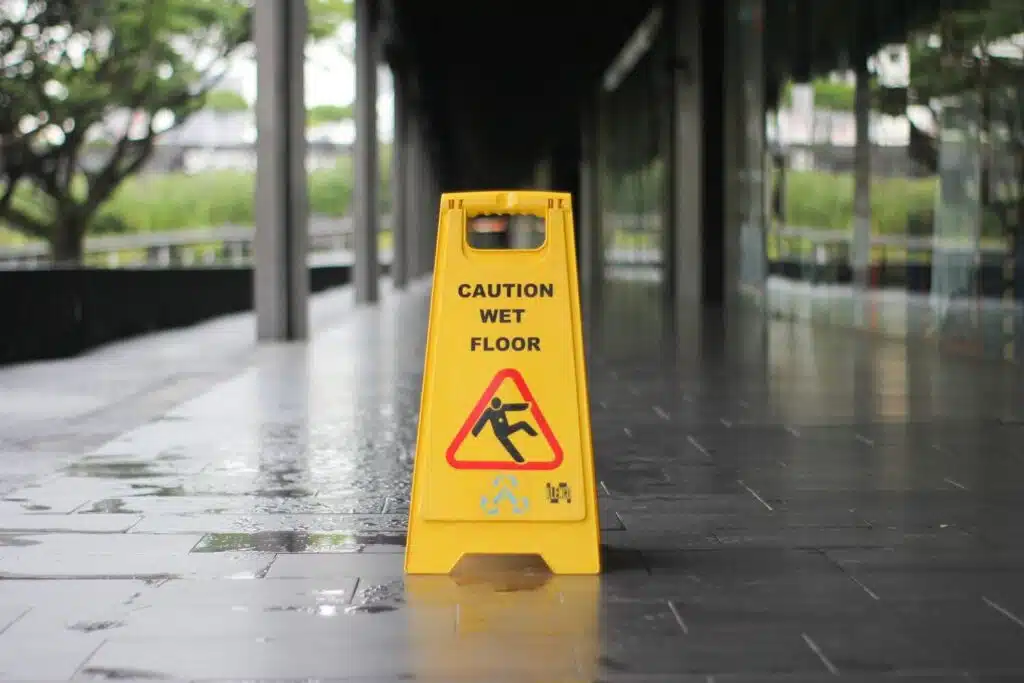
What Is a Slip and Fall Injury and What Are its Causes
Ah, the slip & fall– it’s one of those accidents that can happen to anyone, anywhere. But what does that mean, exactly?
A slip & fall injury is an accidental injury caused by slipping or tripping on an unexpected surface or object.
Common causes include wet surfaces from spills, uneven flooring edges resulting from faulty construction, clutter or debris on a walkway, and even poor lighting that can lead to inadequate visibility.
In most cases, these types of mishaps are quite preventable but faulty conditions could still land you in a mess if you’re not careful.
Fortunately, there are ways to pay for medical care in the aftermath of such an event. Keep reading to learn more!
How to Recognize the Warning Signs of Slipping
Recognizing the danger signs of slipping is essential to preventing injuries. Wet floors are one of the leading causes of slips and falls, so be sure to pay special attention when navigating them.
Pay close attention to any area that may have liquid spilt on it – even clear fluids can be surprisingly slippery!
Look out for pooled water near drains, check for wet patches between tiles or along wall-to-floor joints, and take extra care if a location looks like it has been recently mopped or washed.
If you do come across a wet spot, proceed with caution: move slowly and reduce your speed if necessary, grip railings or walls for support, and plant your feet firmly before releasing or transferring your weight onto them.
Slipping isn’t something we should take lightly: recognizing the warning signs can save us from an unpleasant experience down the line!


How You Can Use Legal Help in a Slip and Fall Case
If you have suffered a slip and fall injury, you may be entitled to financial compensation from the person responsible for the dangerous condition.
Seeking legal help can be the most effective way to hold them accountable for their negligence and collect damages for your medical bills, lost wages, and pain and suffering.
Speaking with an experienced attorney for a slip and fall injury can help you to explore every potential avenue of recovery to maximize your results.
A lawyer who specializes in personal injury lawyer will also be familiar with the laws in your state governing slip and fall cases, as well as the evidence needed to prove liability.
Don’t wait until it is too late; if you are considering bringing a claim after a slip and fall accident, now is the time to speak with an attorney to set you on the path toward a successful outcome.
Actionable Tips for Reducing the Risk of Slip and Fall Accidents
Nobody likes to take a tumble but slip-and-fall accidents can happen to anyone. In order to reduce the risk of a spill, make sure you take the proper safety precautions.
Wear nonslip shoes with a good grip, watch for slippery surfaces like glossy tiles and wet floors, and take your time—even when you’re in a rush.
Additionally, it’s important to pay attention to any obstructions that could be blocking the walkway or generally making a well-traveled area unsafe. Being aware of potential hazards is key; if there’s an area of concern, make sure to tie it up with caution tape or put out a warning sign as soon as possible.
Don’t wait until after someone has had an unfortunate accident! With these simple tips in mind, you can help keep yourself and others safe from unanticipated spills.
When to File a Slip and Fall Claim and What Steps To Take Afterwards
A slip-and-fall accident can happen anytime, anywhere – so it’s important to be prepared.
If you or someone you know experiences a slip and fall due to a hazardous condition, such as a slick floor or damaged staircase, it is necessary to file a claim with the responsible parties.
In this case, filing the claim takes precedence over any medical treatment considering your prolonged health. It is critical to document the scene of the accident in detail through photos or videos while you still can.
Additionally, if possible, obtain evidence such as witness accounts and make sure that an incident report is filed with the responsible party’s management team. Following these steps will strengthen your case and help ensure that your rights are respected.


Who is Liable in a Slip and Fall Incident
Nobody likes to end up on the floor of a store or restaurant because of a slippery surface, but it happens—unfortunately, far too often.
When this happens, who is liable for the person’s safety and any damages?
In the United States, in most cases, three parties can be liable: a business owner, an occupier of premises, or another entity responsible for cleaning or maintaining the premises.
Depending on the circumstances surrounding a slip and fall incident, both civil law and case law can help determine who may be held liable for damages or injury.
Before proceeding any further, however, it’s important to consult with an expert as promptly as you can to ensure you understand your rights and to take any necessary steps required by law.
It is important to remember that a slip and fall accident can be a serious injury, so it’s essential to know what to do if you find yourself in such a situation.
By keeping an eye out for signs of slips and falls, being mindful of potentially slippery conditions, and knowing the legal recourse available in cases where someone has been injured due to negligence, you can ensure that you are well informed and prepared if a slip or fall occurs.
While accidents like these can never be completely prevented, with the right know-how and strategies in place, we can all take valuable steps toward protecting ourselves from harm caused by slipping or falling on wet floors.