
Key Takeaways
- Effective weekly meal planning can reduce food waste and trim your grocery bill.
- Simple strategies like creating a shopping list and sticking to it help prevent impulse buys.
- Seasonal produce often offers better quality and value.
- Using store flyers helps spot savings on everyday essentials.
- Cooking at home and batch-preparing meals can boost both nutrition and savings.
- Learning about common grocery shopping pitfalls will help you make smarter choices.


Weekly Meal Planning: The Secret to Stress-Free Shopping
Smart grocery shopping begins before you reach the store aisle. Weekly meal planning helps control your budget, reduce waste, and serve healthier meals. Dedicating 15 minutes to plan your week’s meals ensures you buy only necessary items and avoid extras. The Food Marketing Institute states that shoppers who plan weekly save up to 20% compared to unplanned trips.
Leveraging digital resources and local sales is another effective way to stretch your food budget further. By browsing “Grocery flyers near me,” you can efficiently match your meal plan to specials and drive even bigger savings. This method works for all types of shoppers—whether you shop at national chains or local markets, flyers highlight discounts on everything from pantry staples to fresh produce.
Building a Budget-Friendly Shopping List
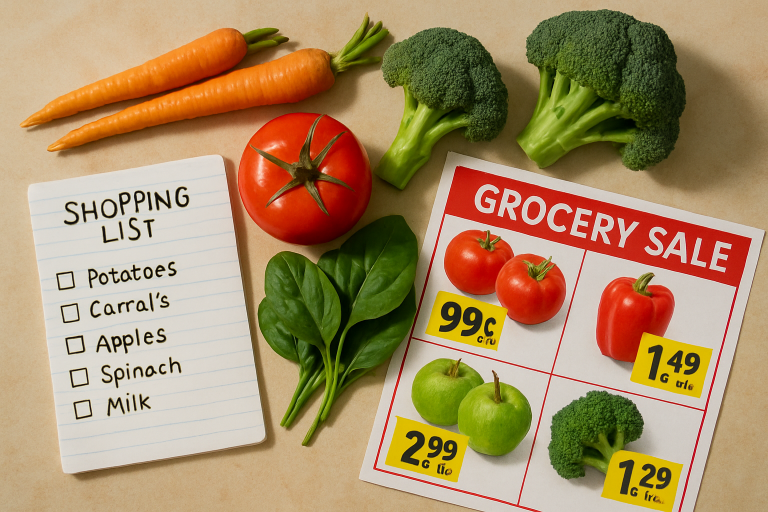
After mapping your meal plan, the next step is crafting a focused shopping list. Writing down only what you need for the week’s meals is a proven way to curb overspending and resist impulse purchases. Experts recommend organizing your list by food categories—produce, dairy, pantry staples, and proteins—which helps streamline your shopping trip and prevents return visits for forgotten ingredients. By sticking to your list, you’re also less likely to buy costly prepackaged or convenience foods that can inflate your bill.
Spot Discounts Using Flyers
Store flyers are a powerful and often overlooked resource for budget-savvy shoppers. Reviewing weekly promotions allows you to spot discounts on essentials and identify produce or protein swaps that align with your meal plan. For example, if pork tenderloin is on sale, you can substitute it for a more expensive cut in your planned recipes. Shopping with flexibility lets you adapt and capture the best available savings, keeping both your meals and your budget interesting.
Shop Seasonal for Better Value
Shopping for produce that’s in season is another key to maximizing both quality and savings. In-season fruits and vegetables tend to cost less, taste fresher, and provide peak nutrition. For instance, root vegetables often see price drops in the fall, while berries are most affordable in the summer. The U.S. Department of Agriculture recommends focusing your meal planning around the current harvest, which not only supports local growers but also ensures you’re getting produce at its best value.
Bulk Buying: When (and When Not) to Stock Up
Bulk shopping can be a major budget booster—if done strategically. Focus on non-perishable items like grains, canned foods, or pantry staples, which can be stored for months. However, it’s wise to avoid bulk buys on highly perishable foods unless you have a plan to freeze or use them promptly. Otherwise, the potential for waste will offset any upfront savings gained.
DIY: Cooking at Home to Save
One of the most reliable ways to save on groceries and improve nutrition is to cook at home. Preparing most of your meals instead of relying on takeout can save families an average of $1,200 per year, according to recent studies. Batch-cook on the weekends and freeze leftovers for busy nights. Home-cooked meals give you more control over ingredients, reduce your reliance on pricier processed foods, and help your dollar stretch even further.
Common Grocery Shopping Pitfalls to Avoid
- Shopping while hungry: Hunger can lead to impulse decisions, especially with snacks or sweets.
- Ignoring unit prices: Product unit pricing, often found on shelf tags, allows for cost comparisons that aren’t always obvious at a glance. For example, sometimes two small packages are a better deal per ounce than one large one.
- Skipping the list: Entering the store without a well-prepared list can derail even the best intentions and lead to overspending.
Final Thoughts
Mastering your weekly grocery shop starts with a plan and a little strategic thinking. Meal planning, list-making, and referencing flyers are small steps that lead to significant savings—both for your wallet and your health. Stay flexible, keep learning, and watch as your grocery budget stretches further each week.