
Timing and Scheduling: The First Step in Your Preparation
One of the most crucial decisions you’ll make when planning your newborn photoshoot is when to schedule it. This isn’t just about finding an open slot on your calendar; it’s about aligning with your baby’s natural rhythms and the artistic goals of the session.
I always advise expectant parents to book their newborn photoshoot well in advance. Ideally, this conversation should happen during your second trimester of pregnancy. Newborn photographers, especially experienced ones, often have limited availability and book up months ahead. Securing your spot early, usually with a retainer fee based on your due date, ensures you won’t miss that precious window. The actual session date is then firmed up once your baby makes their grand entrance and you’ve had a few days to settle in at home.
Understanding the different styles of newborn photography can also help you determine the best timing and preparation. Here’s a quick comparison:
Feature Posed Newborn Photoshoot Lifestyle Newborn Photoshoot Timing Ideally 5-14 days old (first 2 weeks) Flexible, often within first 2-3 weeks, but can be later Location Photographer’s studio or client’s home with studio setup Client’s home, capturing natural environment Style Artistic, sleepy, curled poses; use of props, wraps, backdrops Candid, natural interactions; focus on family connection Prep Differences Emphasis on deep sleep, warmth, precise posing Emphasis on comfortable home environment, natural light, family coordination The ideal window for capturing those adorable, sleepy newborn poses is typically within the first 14 days after birth. During this time, babies are more likely to be sleepy, flexible, and easier to pose. Their sleep cycles are longer, and they retain that curled-up, womb-like posture. Most newborn sessions are commonly scheduled when infants are between 5 to 14 days old. This timing also helps avoid the onset of baby acne, which often appears around the 3-4 week mark.
However, flexibility is key. Every baby is different, and sometimes, circumstances (like a longer hospital stay or simply a wide-awake baby) mean the ideal window passes. Don’t despair! While the first two weeks are great for deep sleepy poses, lifestyle newborn sessions can work beautifully with older newborns too. Even if your baby is a bit older, say 4-6 weeks, we can still capture beautiful images. These sessions might feature more awake shots, showcasing their developing personality, eye contact, and adorable stretches. Lifestyle sessions, in particular, tend to be more flexible and work best when scheduled around the baby’s natural feeding and sleeping rhythm, embracing their unique schedule rather than forcing a specific pose.
How to Prepare for a Newborn Photoshoot: A Checklist for Parents
Preparing for your newborn’s photoshoot is a team effort, and a little planning goes a long way in ensuring a smooth and successful session. Think of it as setting the stage for beautiful memories.
Preparing the Star of the Show: The Baby
The comfort and cooperation of your little one are paramount. Here’s how you can help prepare your baby for their close-up:
- Sleep Management: The goal for many posed newborn sessions is to capture those priceless sleepy shots. To encourage this, I recommend trying to keep your baby awake for about 30 minutes to an hour before the session begins. This might sound counterintuitive, but a tired baby is a sleepy baby. A gentle sponge bath about an hour before the shoot can also help tire them out and ensure they are clean and fresh.
- Feeding Schedule: A full belly is a happy belly, and a happy belly often leads to a sleepy baby. It’s crucial to feed your baby fully right before the session, or upon arrival if you’re traveling to a studio. Feeding the baby 20-30 minutes before the session can help ensure a happy, milk-drunk, and tired baby. Don’t hesitate to nurse or bottle-feed them again during the session if they become fussy or need a top-up to fall back asleep.
- Clothing: When dressing your baby for the journey to the studio or right before the photographer arrives at your home, choose loose-fitting clothing. This helps avoid any red marks or indentations on their delicate skin that can be caused by tight clothing or elastic. A simple front-zip or snap onesie is perfect, as it allows for easy removal without disturbing them too much once they’re asleep.
- Diaper: About 30 minutes before the session, change your baby’s diaper into a loose, clean diaper. This helps prevent diaper lines on their skin. If possible, use a plain white diaper to avoid any patterns showing through wraps or minimal clothing.
What to Wear: Coordinating Outfits for the Family
What you wear as parents and siblings plays a significant role in the overall aesthetic of your newborn photos. The goal is to create a cohesive, timeless look that keeps the focus on your precious new addition.
- Parent Attire: For parents, I always suggest opting for neutral colors like creams, whites, grays, and soft hues. These tones create a clean, bright, and timeless look that won’t distract from the baby. Comfortable fabrics are also essential, as you’ll be holding and cuddling your newborn. For moms, a flowy dress or soft sweater can be incredibly flattering and comfortable postpartum. Avoid bright colors, busy patterns, large logos, and chunky jewelry, as these can be distracting and even cast unwanted color onto your baby’s skin.
- Sibling Attire: If older siblings are joining the photoshoot, coordinate their outfits with the same neutral color palette. Simple, classic clothing that allows them to move freely is best.
- Baby Attire: For the baby, many photographers will provide a selection of beautiful photographer’s wraps, outfits, and props. If you’d like to bring your own, a simple white onesie or a knotted gown works wonderfully. Often, newborns are photographed nude or swaddled, allowing their tiny features to truly shine.
What to Bring: Your Photoshoot Survival Kit
Being prepared with a “photoshoot survival kit” can alleviate stress and ensure you have everything you need on hand.
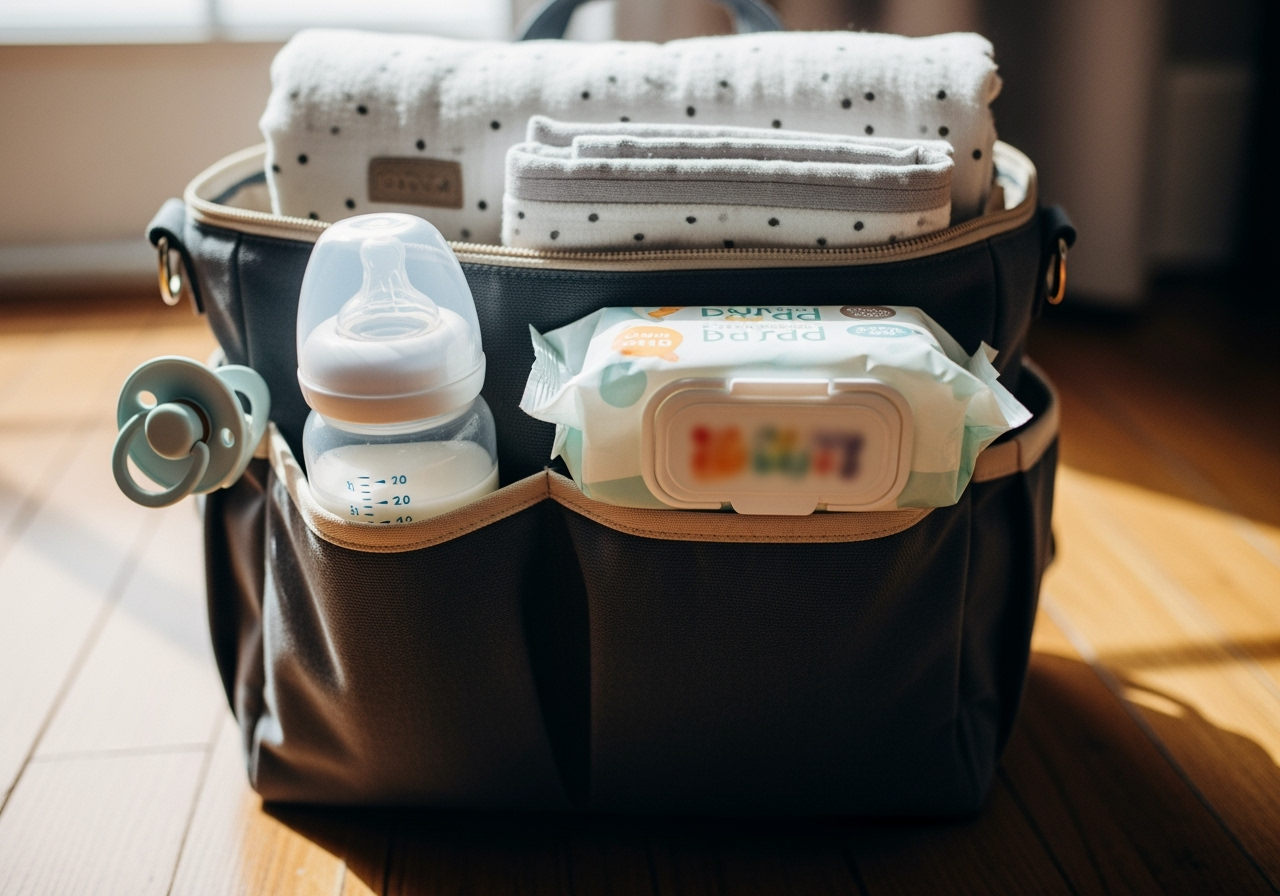
- Baby Supplies:Extra milk/formula: Even if you plan to breastfeed, having a bottle of pumped breast milk or formula can be a lifesaver for quick top-ups between poses.
- Pacifier (Soothie): Even if your baby doesn’t regularly use one, a pacifier can be incredibly helpful for soothing them between poses or settling them back to sleep. Many photographers, including myself, find a Soothie pacifier to be particularly effective.
- Diapers and wipes: Plenty of them! Accidents happen, and they happen often with newborns.
- Burp cloths: For spit-ups and messes.
- Personal Items:Snacks and water: Newborn photoshoots can last around two hours, with potential for breaks, and posed newborn sessions can take about 3 hours. It’s a marathon, not a sprint! Keep your energy up.
- Change of clothes for parents: Just in case of a baby-related mishap (spit-up, diaper blow-out).
- Makeup for touch-ups/hairbrush: Especially if you plan on being in family photos.
- Special Items: If you have any cherished heirlooms, a handmade blanket, or a special prop you’d like to include, discuss this with your photographer beforehand. They can advise on how best to incorporate it into the session.
Creating a Calm and Successful Session
Beyond the physical preparations, creating the right atmosphere and mindset is key to a successful newborn photoshoot.
How to Prepare for a Newborn Photoshoot at Home or in a Studio
The location of your photoshoot will influence some of your preparations.
- Studio Prep: If you’re heading to a photographer’s studio, much of the heavy lifting is done for you. The photographer will have all the necessary props, backdrops, and lighting set up. One crucial thing to remember is that the studio will be warm. Keeping the environment warm, around 75-80 degrees Fahrenheit, is crucial for the baby’s comfort during a photoshoot, especially when they are lightly dressed or nude. Dress in layers so you can adjust your comfort level.
- Home Prep (Lifestyle): For an in-home lifestyle session, the focus shifts to utilizing your natural environment. Don’t stress about a spotless house! Your photographer will typically focus on 2-3 main areas. I recommend decluttering key areas like the nursery, master bedroom, and living room, as these are often the primary shooting locations. Maximize natural light by opening blinds and curtains wide. Turning off all artificial lights (lamps, overheads) helps ensure clean, consistent lighting.
- Environment: Whether in a studio or at home, maintaining a warm environment (75-80°F) is vital for the baby’s comfort and to encourage sleep. Many photographers will bring a space heater to ensure localized warmth. Additionally, using white noise can help soothe the baby and block out distracting sounds, promoting deeper sleep.
The Parent’s Role: Relax and Trust Your Photographer
This is perhaps the most important piece of advice I can offer. Your baby is sensing your energy, and a relaxed parent often means a relaxed baby.
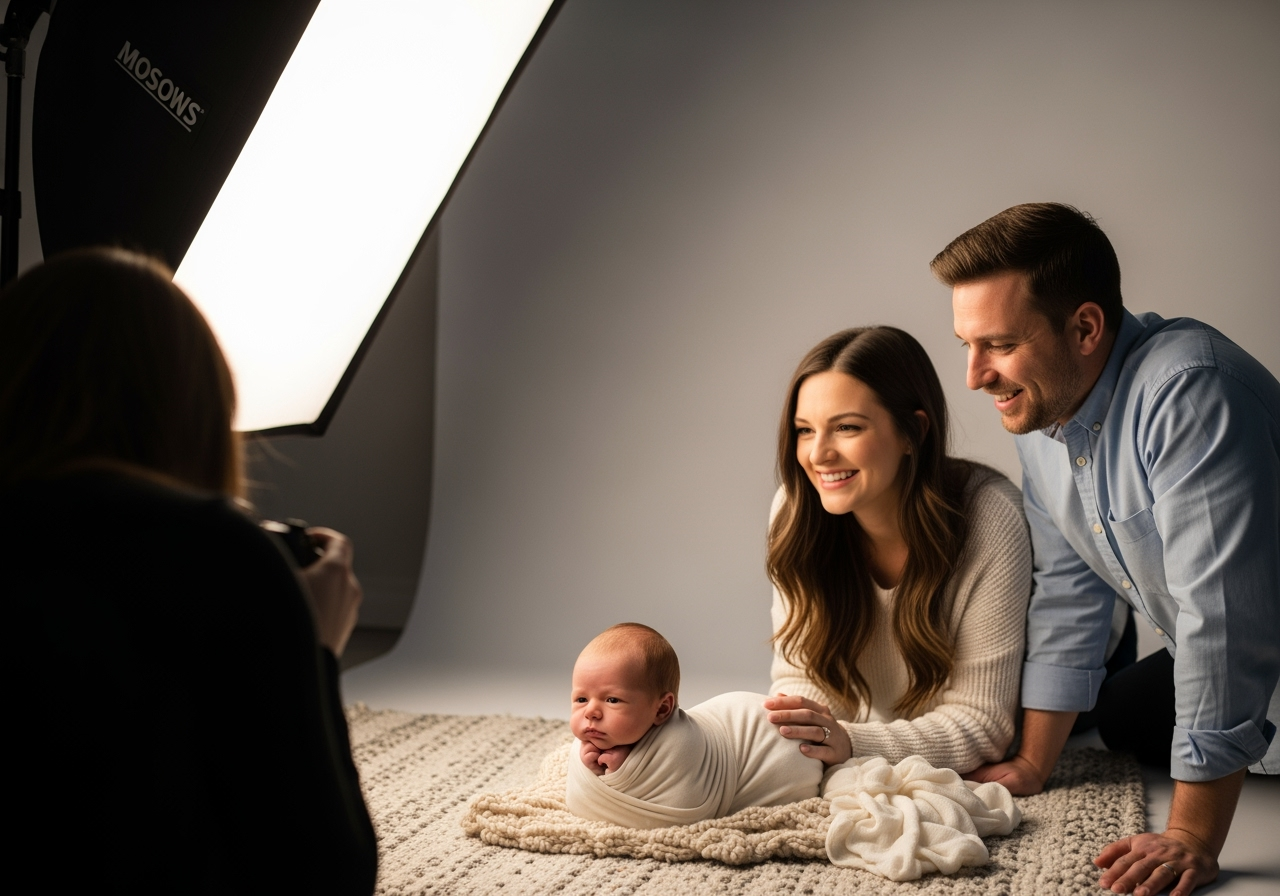
- Manage Expectations: Newborn photoshoots take time. As mentioned, they can last anywhere from 2 to 4 hours, sometimes even longer. This allows ample time for feeding, changing, soothing, and posing. Understand that your baby is in charge; we work on their schedule. Flexibility is absolutely key. There will be breaks for feeding, cuddling, and comforting.
- Parental Mindset: Babies are incredibly perceptive. If you’re stressed or anxious, your baby will likely pick up on that, making it harder for them to settle. Try to stay calm and patient. This is your time to sit back, relax, and enjoy watching your little one be adored.
- Trust the Professional: You’ve hired a professional for a reason. They have experience with newborns, understand their cues, and know how to safely pose and soothe them. Trust their expertise. They are prepared for all eventualities, from unexpected messes to fussy moments.
- Communication: Before the session, have an open conversation with your photographer about your vision, any specific shots you’d like, and any boundaries you might have. Many photographers provide guides to help you prepare for a newborn photoshoot, offering detailed advice and checklists to ensure you feel fully prepared and confident. Don’t hesitate to ask questions or voice concerns.
Frequently Asked Questions about Newborn Photoshoot Preparation
Even with a comprehensive guide, some common questions often arise. Here are answers to a few of them:
What are the most common mistakes to avoid?
- Waiting too long to book: As discussed, securing your spot early is crucial.
- Over-scheduling the day: Keep the photoshoot day clear of other appointments to minimize stress and allow for flexibility.
- Stressing about a perfect house: For in-home sessions, focus on decluttering key areas, not deep cleaning the entire home. Your photographer can work around everyday life.
- Forgetting a pacifier: Even if your baby doesn’t usually use one, it can be a valuable soothing tool during the session.
- Dressing baby in complex outfits: Opt for simple, easy-to-remove clothing to avoid disturbing them during changes.
How do you prepare for a newborn photoshoot with siblings?
Including older siblings can create incredibly heartwarming images. Here’s how to make it a positive experience for everyone:
- Prepare Siblings: Talk to your older children about the new baby’s photoshoot. Explain what will happen and how important their role is. Set expectations that they might not be in every photo and that the baby needs quiet time.
- Session Timing: To minimize boredom and potential meltdowns, it’s often best for siblings to join for a specific portion of the shoot, usually at the beginning or end. This way, they aren’t waiting around for hours. Consider having another family member or caregiver take them out for an activity once their photos are done.
- Motivation: Bring snacks and small, non-messy bribes (like marshmallows or Smarties) to reward their cooperation. Praise them enthusiastically for their patience and gentle interactions.
What if my baby is fussy or won’t sleep?
This is a common concern for parents, but rest assured, your photographer is prepared for it!
- Photographer’s Experience: Experienced newborn photographers are skilled in soothing babies and have a repertoire of techniques to encourage sleep and calm. They’ve seen it all!
- Patience: Patience is key. We follow the baby’s lead. If they need to feed, be changed, or just cuddled, we take those breaks. The session flow is dictated by your baby’s needs.
- Soothing Techniques: We’ll use feeding, rocking, pacifiers, and gentle movements to help settle your little one.
- Awake Shots: Sometimes, babies just want to be awake, and that’s perfectly fine! Awake shots, capturing their expressions, eye contact, and tiny movements, are equally beautiful and tell a unique part of their story. Don’t worry if your baby isn’t sleeping; we’ll still capture stunning images.
Conclusion: Cherishing Your Timeless Memories

Bringing a newborn into the world is an extraordinary journey, filled with fleeting moments that pass by far too quickly. Investing in a professional newborn photoshoot is a beautiful way to freeze time, preserving the delicate details and profound emotions of those first precious days.
As I’ve shared in this guide, a little preparation goes a long way. By understanding the ideal timing, preparing your baby with feeding and sleep management, coordinating comfortable outfits for the family, and packing your essential survival kit, you set the stage for a smooth and enjoyable experience. Remember to create a warm, calm environment and, most importantly, to relax and trust your photographer. They are there to guide you and capture the magic.
These images aren’t just photographs; they are timeless treasures. They will allow you to revisit the softness of their skin, the curl of their fingers, and the overwhelming love you felt in those early days, long after the haze of newborn sleeplessness has faded. Enjoy the process, cherish every moment, and look forward to the beautiful memories that will adorn your walls and hearts for years to come.