
Traveling abroad can sometimes feel like an unattainable dream for individuals without much disposable income. Plane tickets, hotel rooms, and transportation can rack up a bill big. These basic traveling costs can cost enough to make you go broke.
Your trepidation is understandable, but if you are truly determined to become a world traveler, you don’t have to wait until you are flush with dough to do so.
Being able to afford travel abroad all comes down to prioritizing travel in your budget and making the necessary sacrifices to save money. There are several strategies you can use to make travel far more affordable overall by simply avoiding certain common money mistakes. It is entirely possible for you to travel abroad regardless of your current income.
How to Prioritize Saving for Travel


Here are a couple different ways to prioritize saving for travel abroad.
- Put Travel into Your Budget
Your priorities show up clearly in your finances. No matter what your priorities are, the majority of your money will be spent funding that desire. So, if you want to make travel a priority, then you need to put travel saving as a line item in your monthly budget. If travel is as important as paying your rent and your gym membership, then you will go the extra mile to ensure money is saved for that cost.
- Open a Travel Savings Account
Open a new savings account that you can designate just for your travel savings. This will create a separate fund that you will be less likely to dip into for impulse shopping. Start saving a small amount of money each month and add it to this specific account. After this becomes a habit, you can increase the amount you save over time.
- Treat it like a Bill
Making something feel like a personal priority is different than making something a true financial priority. Instead of thinking of travel as a random thing you want to afford, think of it as a recurring bill that you must pay. If you think about transferring that chunk of cash to your travel fund like a credit card, car title loan payment, or phone bill, then you will not miss a month.
- Try Reverse Budgeting
You can also try something called “reverse budgeting,” where you save what you don’t spend instead of saving so you don’t spend. Essentially, every time you avoid getting that daily cold brew by making coffee at home, you can “spend” that five dollars by adding it to your travel fund. If you drive past your favorite restaurant and instead make yourself dinner at home, you could send $25 over to your travel fund!
Common Mistakes to Avoid

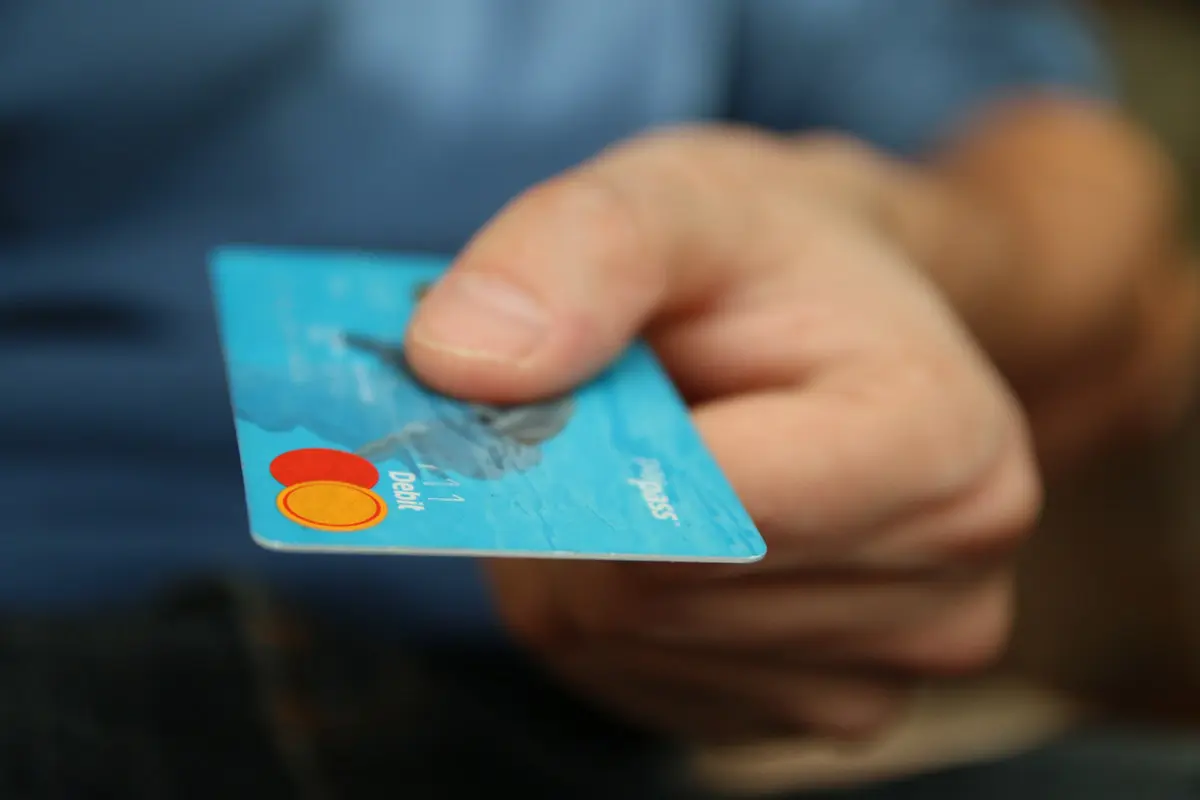
These are a couple of mistakes to avoid making when traveling abroad.
1. Forgetting to Tell Your Bank that You’re Traveling
Don’t let this important detail slip your mind before you board the plane. If you use your debit or credit card abroad without warning your bank, then they are likely to freeze your account to prevent fraud. Getting your account frozen and spending hours on the phone speaking with a bank agent is not a fun way to spend your first day abroad.
2. Overlooking Bank and ATM Fees
Does your bank charge international fees? Will there be ATM withdrawal fees? Inform yourself on how your banks charges fees and look into other cards that might save you money. You can also look into which ATMs work with your bank abroad and find the most affordable prices for drawing out cash.
3. Failing to Plan How You’ll Travel from the Airport to Your Lodging
This might seem like a minor mistake but those taxi fares from the airport to your hotel or hostel can be excessively high. You can’t be sure that the pricing will be fair, plus you don’t know how far the ride is going to end up being. Sometimes you just grab a taxi because it seems like the only way to get to where you need to be. But if you do a little research and planning beforehand, you could end up finding some really cheap alternatives like shuttles or trains.
4. Assuming Tipping Practices
Every country is so different when it comes to tipping practices and knowing this beforehand can save you a lot of money in the long run. Many countries pay their servers much more than the United States, so tipping isn’t always required. Plus, it is a good idea to keep in mind that some places include the tip in the bill, so look out for that.
5. Not Pricing Out Deals for Your Phone
Will you be using an international roaming plan? Sometimes this is the best route, but for some countries you can save a fair amount of money by simply buying a temporary SIM card. Do a little bit of research before you travel to see what your provider’s roaming charges are and if they have any affordable international add-ons. In addition to that, look into the country you are visiting and see what their typical pre-pay deals are.
6. Refusing to Compare Flights
If you are looking to save money, never buy the first flight you find. There are so many budget airlines out there, in addition to great tips and tricks to help you obtain cheaper tickets for nicer airlines. You can use comparison shopping sites like Kayak or Priceline to find the cheapest flights available and the cheapest travel dates. Flights on weekends will always be more expensive so try to find flights that depart on Tuesdays or Wednesdays. You can also save tons of money if you are willing to travel during off-season. There is nothing wrong with a mid-winter vacation!
7. Assuming You Need a Luxury Hotel to Have a Good Time
It is not always necessary to stay at a high-end hotel to really enjoy your travel destination. You can lower your trip price if you’re willing to stay at a hostel. If you feel like you couldn’t handle sharing a room with strange people, then look into Airbnb. You’d be surprised how much cheaper it can be to rent an apartment rather than a fancy hotel room in certain countries.
When you are traveling on a budget, it’s all about thinking out of the box and being willing to go out of your comfort zone. Budgeting can help you further enjoy everything that the country has to offer.