
Parenting might be the most challenging job in the world.
There is no handbook to follow, and you are entirely left on your own to bring up another human being.
The list of responsibilities is non-exhaustive.
You have to constantly deal with new situations even if they leave you drained.
And your duty does not end as your children grow; instead, you get tied with even more worries- studies, school, mental development, and whatnot.
But at the end of the day, there is some relief knowing you have done everything you could to present your children the optimum environment for growth.
However, to feel that contentment, you have to guide your child to the right track.
And this process can start from school.
Preparing your child to perform well in school never needs exhausting effort on your part.

And if you throw in the pandemic and homeschooling into the equation, it gets more complicated.
Even if you are a busy parent, there are some simple yet effective tactics that you can follow to make sure your kid is performing well in school.
Let’s read on to find out how.
Get Involved In the Learning
This might sound like a no-brainer, but you will be amazed by the number of parents that stay uninvolved with their children’s learning process.
While some parents remain actively involved even with their high schoolers, some just take on a hands-off approach as soon as they send their kids to preschool.
For active involvement in your child’s learning process, make sure you practice these-
- Ask them about what they did in school
- Try accompanying them while they are doing homework
- Take part in writing or reading activities with your kids
- Take part in different craft projects with your child
- Make daily activities fun and learning and try to learn together
If you are not involved actively in your kids’ learning process, you will never understand what’s stopping them from flourishing in school.
Perhaps it’s a form of learning disability that’s affecting your children.
Learning disabilities come in many forms, and if not diagnosed early, they can be lifelong conditions.
Understand the symptoms of reading disability like dyslexia or writing disability Dysgraphia symptoms to help your children out of these adversities.
Prioritize Learning over the Grade
Effective learning by developing an interest in learning is far more important than achieving a good grade.
While grades might provide momentary satisfaction over the performance, they don’t do much for long-term development.
Instead, having a good grade in one class only to bring it lower in the next class might create unwanted distress in their minds.
Because we all want to hold on to our good performance, and failing to do so makes us feel incompetent.
If you stress on the grade or result too much, it will suck out all the fun from learning.
While you can set some goals together to achieve specific accomplishments over the academic year, they shouldn’t revolve around getting A’s in all subjects.
Instead, adopt an approach that will set goals that will help with your children’s personal growth.
For instance, you can set a number for how many books from the reading list your child finishes reading over the term’s duration.
Focus On the Process, Not the End Result
Enjoying the process of learning can go a long way to make your child do well in the future- both academically and personally.
While as a grown-up, you might have learned how to thrive under pressure, the same will not apply to your child.
Their minds are in the exploration phase, and they are yet to value material achievement over enjoyment.
Children are still savoring the world around them and exploring all the mystery that it holds, and if you push them in a rat race of grade in that stage, their mental growth will be affected.
To convey the message to your kids that they are not expected to achieve good results all the time, you can follow these simple tips-
- Avoid displaying their grade cards on the refrigerator or social media, replace those with the display of their creation, maybe some art they made or poems they wrote
- When they succeed, appreciate their effort, and process along with the result, they will learn to value the effort they put in the project. This way, even if they fail in the future, they will not get disheartened because they tried and gave their best.
- Focus on the future, not the past; try not to bring up past actions to prove they have slid down the performance scale. Focus on how they can improve in the future.
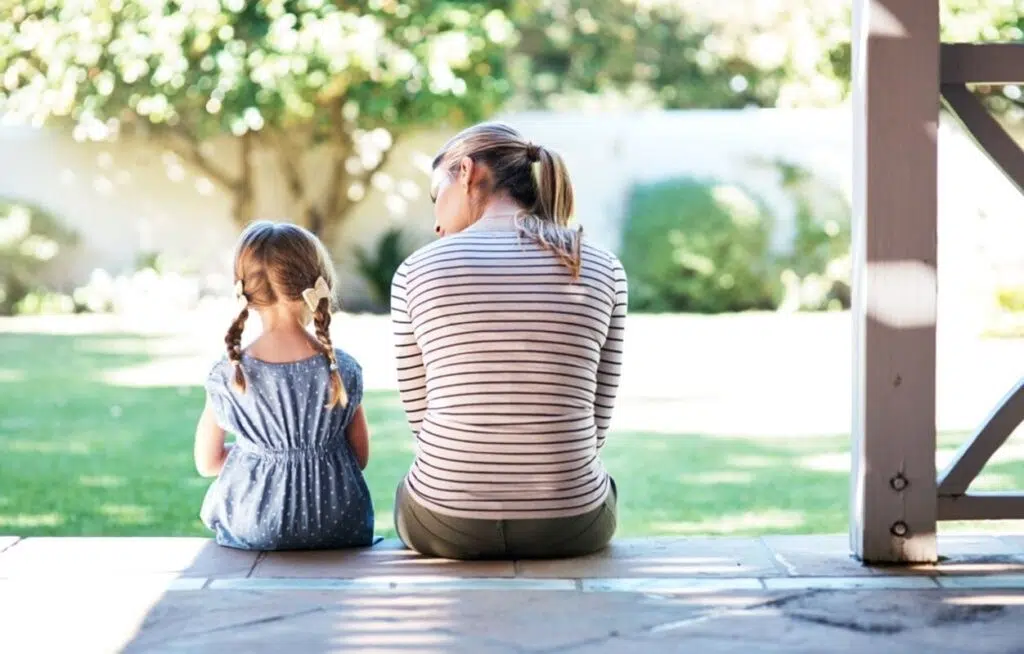
Be a Partner, Not Just a Mentor
Be a partner in your children’s learning, not just a mentor. They have enough of those in schools.
They just need someone to walk with them who share the same understanding.
Try listening to them and value their opinion.
Sometimes, it’s the presence or lack of a dependable soul that can make all the difference in a person’s life.
Acknowledging your children’s opinion is the first step for positive parenting.
Instead of blindly forcing rules and restrictions upon them, let them learn on their own.
Tone down your concerns over your children’s matter – be it study or personal growth.
They learn the best when they learn from experience or mistakes. Instead of leading them, let them take the lead.
It will do wonders for their self-confidence.
Ease Them into Learning
The whole pandemic situation has left us all overwhelmed, and children are not any different.
They were the most vulnerable during the crisis as the pandemic situation was beyond their grasp.
So it is no wonder they will have a hard time finding their footing with regular schooling and studying; some of them might even be reluctant to change out of their pandemic routine.
Rest assured, you will find some resistance for not attending school, just like you were reluctant to go back to the office after the end of lockdown.
But know that it is short-lived and will wear off after some time.
As a parent, you need to be patient here.
Create a new routine that resembles the pre-pandemic routine yet provide them enough room for the transition.
These are some tips you can follow to ease them back to school–
- Discuss and plan a routine with your child
- Keep the initial learning session shorter and provide enough break in between
- Try to regulate their screen time; if they were entirely dependent on it during the lockdown, you might find it hard to pull off
- Always stay connected with the school and teachers
- Arrange your kids to interact with school friends online, it will motivate them to go back to school
Create a Learning Environment at Home
You can boost the learning interest in your kids by creating a learning environment.
Besides, as most schools have resorted to online learning due to the pandemic, it is all the more essential to provide the optimum learning environment for your kids right at your home.
All the while, it can be an excellent opportunity for you as a parent to combine caregiving and learning in a single process.
To create an optimum learning environment at home, you can
- Designate a space specifically for studying
- Keep the space clutter-free and distraction-free
- Encourage your children to be involved in daily chores
- Take part in playing mentally stimulating games
- Maintain a daily routine
- Try figuring out what methods your child likes to learn and incorporate those methods in their daily learning.
Don’t Limit Their Learning To Coursework
One of the best ways to encourage children in academic learning is to incorporate the study topics in real-life examples.
For instance, if your child is less than enthusiastic about learning geography, you can quickly get them interested in it by map reading or traveling.
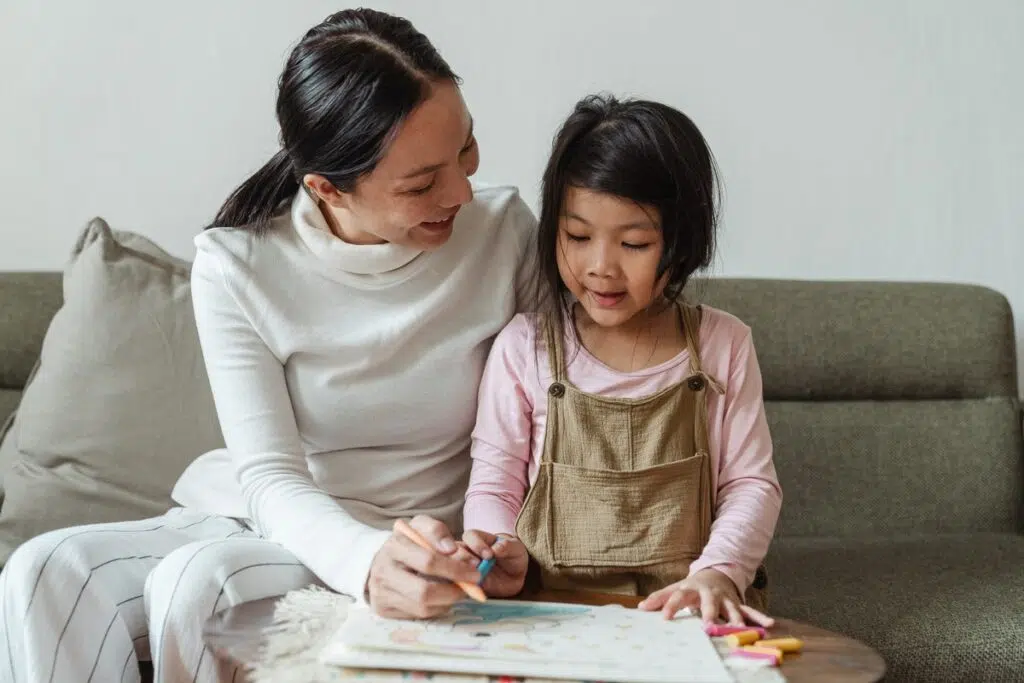
To help them grasp the meaning of fractions, you can use colorful lego bricks. It will help them visualize the concept.
Some children learn better when they are learning in the form of a story.
You can make history enjoyable to your children by storytelling.
Craft your own version of history with an equal amount of fun and facts.
Once they find the relevance between the study topics and the actual world, they will be more interested in trying it.
The Bottom Line
While being successful at school does have some benefits, understand that school might not be the ideal scenario for every child.
Some children might feel threatened by the competition or find it challenging to comply with all the regulations and strict environment.
So you have to learn your children’s potential and limitations before you thrust them to pursuing a goal- be it academic or personal.
And remember, learning how to overcome failure is much more important than winning.
As a parent, before you can rejoice at your children’s success, you must learn how to cushion their failures.
This will help them to grow more confident and resilient at school and eventually into well-adjusted adults.