
Wondering whether propane or butane is the right LPG solution for your home? We’ve got you covered: check out this guide for more info!

Are you having trouble deciding which LPG solution is best for your home? If the answer is yes, you’re not alone. Many rural homeowners don’t have access to natural gas and depend on fuels like propane for cooking and heating.
Furthermore, millions of Americans use propane and other gases to fuel outdoor grills. There’s definitely a demand for gas, but with so many options, it’s challenging to choose the best one.
With that said, if you don’t understand the contrast between propane vs butane, just keep reading. The information below provides an in-depth look at both gases, to help you choose the best one.
Propane vs Butane
LPG stands for Liquefied Petroleum Gas and is used to define a group of light hydrocarbons. Two of the most popular members of the family are propane and butane. Both of them are gases used for home and industrial purposes, which is why most people get the two confused.
What is Propane?
Propane is a gas that’s generally compressed and stored in liquid form. It’s odorless, has no color, and it’s non-toxic. However, many manufacturers add a smell to propane so that consumers can detect which LPG they are purchasing.
This gas is primarily used for heating, such as cooking in the home. On the other hand, it can also be used to fuel forklift engines, buses, and fleet vehicles.
What is Butane?
Butane is a flammable hydrocarbon gas that’s a result of natural gas processing and oil refining. It’s most commonly used as a fuel, refrigerant, and propellant. For example, butane is found in items such as cigarette lighters and aerosol sprays.
In contrast to propane, butane is less expensive, but it’s more difficult to use and isn’t always available in stores.
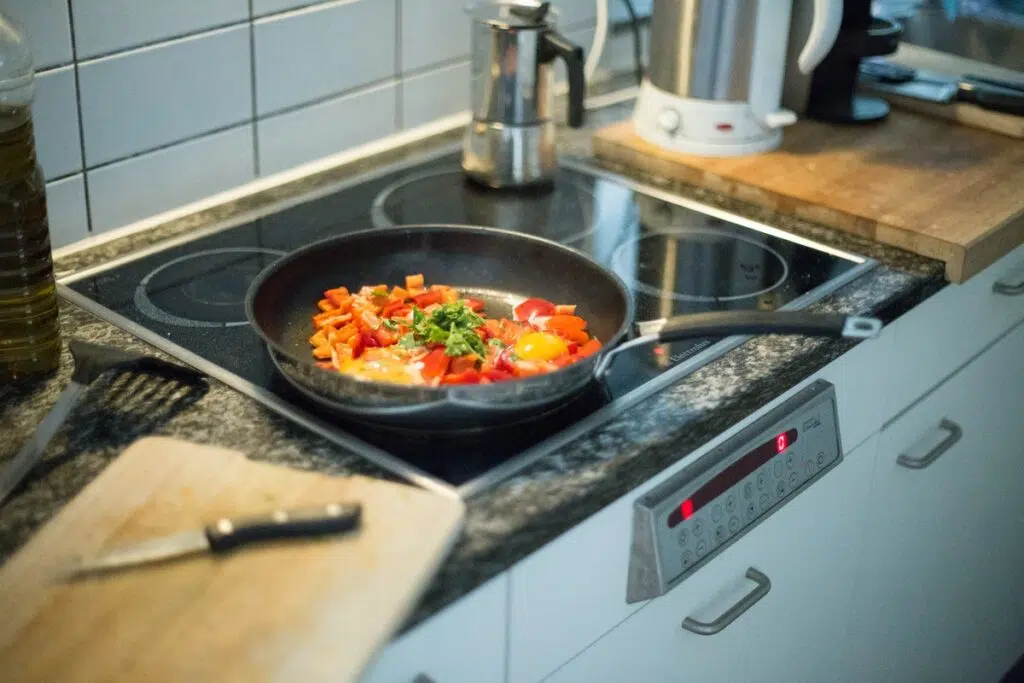
Propane and Butane: The Similarities
Both propane and butane are extracted from petroleum as an oil or natural gas. When ignited, each one creates carbon dioxide, carbon monoxide, water, and soot. Also, both of them are used for heating stoves and fueling vehicles.
Propane and butane are generally stored in portable steel cylinders or small, ready-for-use storage tanks.
What’s the Difference Between Propane and Butane?
The primary difference between propane and butane is their boiling point. Propane has a boiling point of -42°C, while butane has a higher temperature of -2°C. That means propane will continue to vaporize and produce gas, even in cold climates.
Therefore, it’s perfect to use during the winter and it works well for outdoor use. Since it’s primarily used for cooking and heating water, many people prefer to use it while hiking and camping.
Moreover, when propane is stored as a liquid in a tank, it gives a more intense pressure than butane—even at the same temperature. Because of that, it’s better for exterior storage and can be stored for a long time.
On the contrary, Butane has a lower vapor pressure than propane. It’s more suitable for indoor operation or outside use during the summer months. Also, many people prefer to use it for leisure activities and for fueling portable heaters.

Butane vs Propane: Which is Better for Your Home?
Both gases have something to offer—and as with everything—there are pros and cons to each. However, propane is the most popular of the two. Many homeowners who live in areas with cold winters prefer to use it over butane. On an overall scale, propane has more benefits.
Abundance
In America, there is enough propane produced to meet demand. The U.S. is one of the leading producers of the gas, so there’s never a shortage. Furthermore, propane is considered a bridge fuel, making it a clean alternative to gasoline and diesel.
Affordable
Although butane is less expensive, propane is still an affordable option. Production of domestic propane is continuing to quickly grow, which keeps propane prices down.
Great for Outages
Propane comes in handy during emergency situations like power outages. When there’s no electricity, your propane-fueled appliances will continue to work. A gallon of it supplies 27 kilowatt-hours of electricity and 91,600 Btu’s.
Versatile
Residential propane can be used for more than just outdoor grills and stoves. It can also fuel clothes dryers, boilers, and ovens. Furthermore, propane works well for heating fireplaces, which prevents the spread of ash and soot that wood fireplaces leave behind.
Clean
Propane is listed in the 1990 Clean Air Act, making it an approved clean fuel. Switching gasoline and other fuel oils for propane helps to improve the ecosystem and provide cleaner air. It also minimizes greenhouse carbon dioxide and other harmful elements (carbon monoxide and nitrogen oxide).
Based on the facts above, it’s clear to see why propane is such a good choice. If you decide to use propane for your home, check out this article for tips on how to care for your propane tank.
Propane or Butane: Which is Right for Your Home?
Hopefully, you understand the contrast between propane vs butane after reading this article. Picking the right LPG for your home is more difficult when you don’t know much about them.
However, our goal was to thoroughly break down propane and butane, so that making a choice is easier for you. It’s always best to be knowledgeable about all aspects of your home, including the fuel you use. If you enjoyed this content, feel free to browse the rest of our blog. Our website provides insight on a variety of topics that we know you’d enjoy!