
You should never stop learning. Whether you’re in your 20s, 50s, or even 80s, there’s always something new to discover. Maybe you’d like to learn more about technology or you’d like to master new life skills. No matter what age you are, you’re never too old to learn these eight things.
1. Mastering New Technology


Technology is constantly evolving, making it necessary for you to continue learning. You might want to figure out how to navigate social media effectively or learn everything you can about your new smartphone. Boomers and Gen X have started finding some joy in learning about technology and seeing how it can keep them connected with family. Younger generations like Millennials and Gen Z are benefiting from learning more about emerging trends like artificial intelligence. Besides staying up to date on the latest tech can help you stay competitive in the job market, no matter what age you are.
2. Learning a New Language


It’s true that it is easier to learn a new language when you are younger. However, there are studies that show adults can still become fluent in a second language. Whether you want to travel or learning a second language would serve you in your career, it can be a fun and rewarding experience. Now, there are apps like Duolingo and Babbel that make it easier to get started, and you can take lessons on your own time. Not to mention, learning a new language can potentially help improve memory and keep your mind sharp.
3. Picking Up Musical Instruments

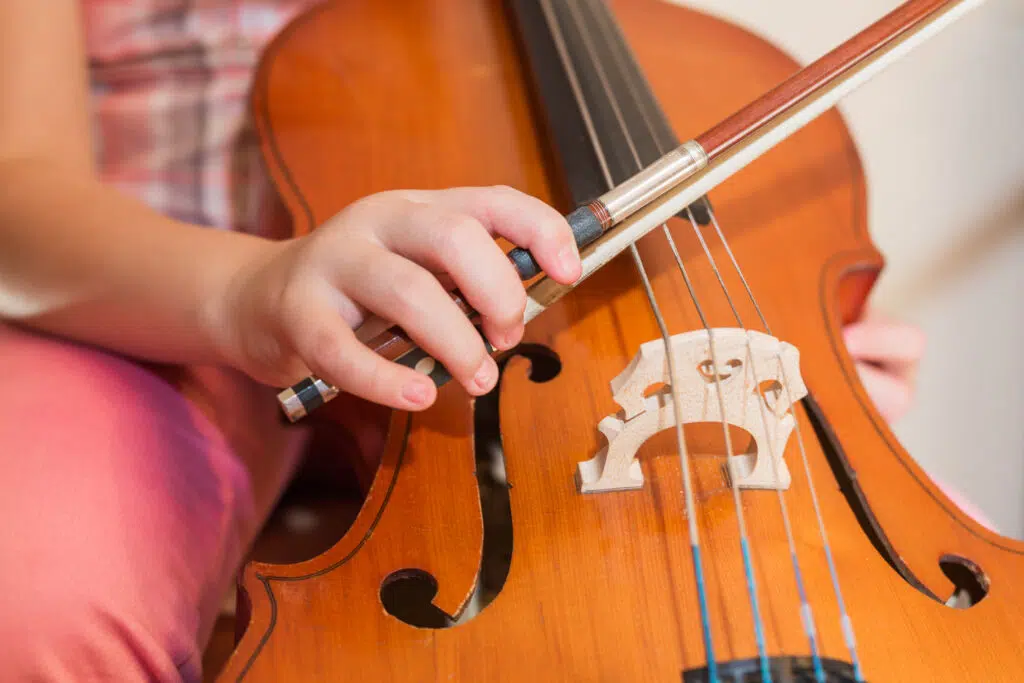
Again, it might be a little easier to pick up a musical instrument when you’re younger, but that doesn’t mean you should limit yourself. The benefits of learning to play an instrument are amazing. It can improve your cognitive skills and reduce stress. There are online tutorials and flexible lesson options that will make it easy to fit learning a musical instrument into your schedule. Plus, playing music can be a social activity, connecting you with other musicians or learners.
4. Enhancing Cooking Skills


We can all continue learning in the kitchen, no matter what age we are. Maybe you’d like to explore international cuisine or experiment with new recipes. Whatever the case may be, cooking is a lifelong skill that you can continue to nurture. With YouTube and MasterClasses, there are plenty of resources to help improve your culinary abilities. Cooking is a practical, creative, and enjoyable skill that enhances your daily life.
5. Improving Financial Literacy


Financial education should be taught in schools, but it’s not. No matter what age you are, this knowledge is essential for success and you can always learn more. Understanding investments, managing debt, and planning for future expenses can help you make informed decisions. As your own life changes, you might find the need to learn about new financial options. Resources for this are endless today. You can tune into podcasts, take online courses, or even meet with a financial advisor. Remember, a strong education means more confidence and security in your financial future.
6. Developing Mindfulness and Meditation Practices


Being mindful is something everyone should learn. Mindfulness and meditation can help reduce stress and boost your overall well-being. Life comes with a lot of stressors. Whether you’re dealing with the pressures of work, parenting, or aging, mindfulness helps you navigate life’s challenges with more ease. Of course, there are apps like Headspace or Calm that can help you get started. Incorporating these techniques into your daily routine can have a multitude of benefits, including better sleep, lower anxiety, and improved relationships. It’s never too late to learn this skill.
7. Staying Physically Active


Everyone should learn the best way for themselves to be physically active. Older individuals often enjoy lower-impact activities such as yoga, swimming, and walking. However, learning a new workout technique or jumping on a fitness trend can help keep things exciting and challenging for yourself. Whether you’re 30 or 70, there are always new ways to keep your body moving and healthy.
8. Embracing Creative Hobbies


Your hobbies can provide an outlet and creative expression is truly ageless. Many people find that they fall back in love with hobbies later in life. Discovering a creative outlet for yourself can really provide you with a deep sense of fulfillment and purpose. Not to mention, engaging in artistic hobbies stimulates the brain, improves mood, and can even combat feelings of loneliness or isolation. If you don’t know where to start, consider checking out online tutorials or community classes. Keep at it, you’ll find something that interests you.
Lifelong Learning Is the Key to Growth

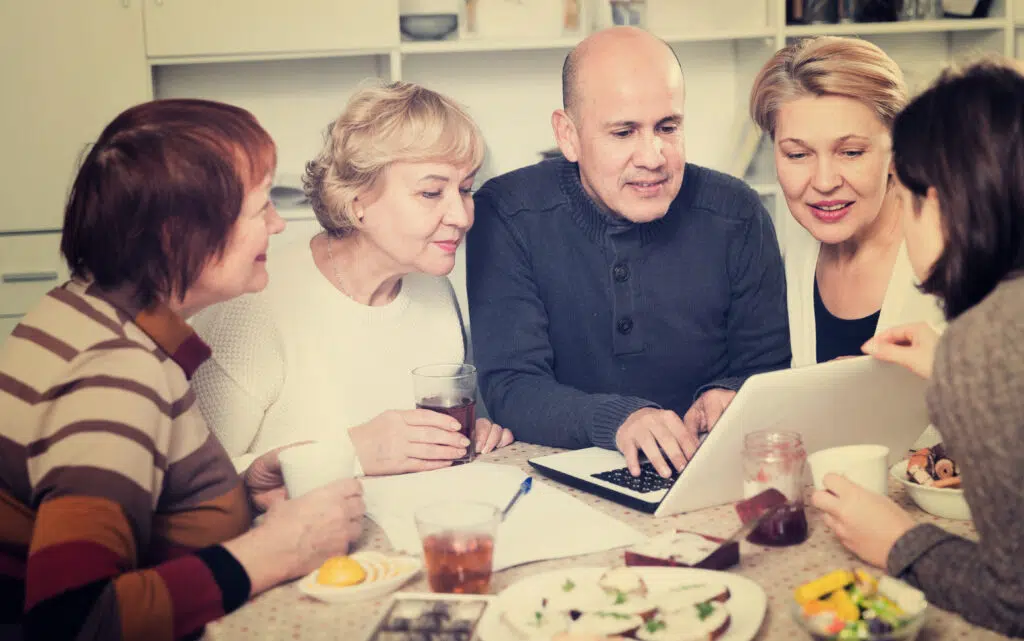
It doesn’t matter what stage of life you’re in. Learning new skills can keep your mind engaged and make you feel more fulfilled. Whether you want to learn a new recipe or pick up your knitting needles again for the first time in 40 years, there is always room to grow. The best part is that it’s never too late to start. Learning is a journey that never ends.